How to Boost Traffic to Your Shopify Store in 2026
By Joe SnyderLearn how to boost traffic to your Shopify store in 2026 with proven SEO, content, social, paid ads, email, offers, and delivery-experience strategies.

Learn how to boost traffic to your Shopify store in 2026 with proven SEO, content, social, paid ads, email, offers, and delivery-experience strategies.
Online retail keeps getting bigger, but the gap between stores that thrive and stores that stall has never been wider. Global ecommerce sales are forecast to reach roughly $6.88 trillion in 2026, up from about $6.42 trillion in 2025 — yet a small share of high-traffic stores captures most of the attention and the sales. The difference usually isn’t the product. It’s traffic.
Traffic is the lifeblood of any Shopify store. The more qualified visitors you bring in, the more chances you have to convert browsers into buyers and buyers into repeat customers. Figuring out how to increase that traffic — consistently and affordably — is the challenge every ecommerce merchant eventually has to solve.
Below are eight proven, up-to-date strategies for driving more traffic to your Shopify store, plus the often-overlooked step that turns that traffic into loyal, returning customers.
Search engine optimization (SEO) is the practice of making your store easy to discover on search engine results pages. It remains the single largest acquisition channel for most online retailers: organic search drives an estimated 33% to 43% of all ecommerce traffic. If shoppers are searching for your products but can’t find you on the first page of results, you’re leaving free, high-intent traffic on the table.
A solid SEO strategy combines keyword research, clean site structure, fast page loads, and well-optimized product and collection pages with thoughtful titles, meta descriptions, alt text, and structured data. SEO rarely delivers overnight results, but the effort compounds: rankings you earn keep working long after the work is done.
One important shift to plan for is how search itself is changing. AI Overviews now answer many queries directly in the results, and a growing share of product discovery happens through visual and social search rather than a classic Google query. The takeaway is to create content and product pages that are clear, trustworthy, and specific enough to be cited and surfaced wherever your customers are searching.
High-quality content is one of the most reliable ways to grow traffic over time. Useful articles, buying guides, how-tos, videos, and product education establish you as an authority in your niche and give search engines and shoppers a reason to keep coming back. Start by identifying what your potential customers are actually trying to learn or solve, then publish content that answers those questions better than anyone else.
Content also does double duty as brand-building. Consistent, genuinely helpful material is a cornerstone of building a brand customers trust — and trust is what turns a one-time visitor into a follower, a subscriber, and eventually a buyer. Keep your content original and on-message, and your audience (and your traffic) will grow with it.
Paid search — most commonly Google Ads — is a fast way to put your store in front of people who are actively searching for what you sell. Because it runs on a pay-per-click model, you’re only charged when someone actually clicks, which makes it accessible even on a modest starting budget.
The key to a profitable campaign is research and discipline: target the keywords your buyers actually use, write tight ad copy that matches search intent, and send clicks to a relevant, conversion-ready landing page rather than your homepage. Small changes to keywords, headlines, or offers can produce dramatically different results, so test continuously and double down on what converts. Paid search pairs especially well with SEO — together they let you own more of the first page for your most valuable terms.

Social platforms are no longer just where shopping journeys begin — increasingly, they’re where journeys end. Global social commerce revenue reached an estimated $819.8 billion in 2025, up nearly 20% year over year, and the channel is forecast to keep climbing.
Social media works on two fronts. Organic content (Reels, TikToks, carousels, and posts) builds awareness and community, while paid social ads let you reach precisely targeted audiences at scale. Younger shoppers in particular are shifting how they search: roughly 86% of Gen Z internet users search on TikTok weekly, treating social platforms much like a search engine for products. Choose the platforms where your audience actually spends time — Instagram, TikTok, Facebook, Pinterest, or YouTube — tailor your creative to each one, and make it easy to buy without leaving the app.
Compelling offers attract clicks, encourage sharing, and reduce the friction that kills sales at checkout. A buy-one-get-one deal, a first-order discount, or a clear free-shipping threshold can be the nudge a hesitant shopper needs — and word-of-mouth from a great deal brings in even more traffic.
Shipping costs deserve special attention. Across dozens of studies, the average cart abandonment rate sits around 70%, and the number-one reason shoppers bail at checkout is extra costs like shipping, taxes, and fees — cited by roughly 39% of abandoners. Offering free or transparent shipping (with a minimum-order threshold to protect your margins) is one of the most effective offers you can run. Done well, it also helps you compete with the fast, free shipping shoppers expect from Amazon Prime. For a deeper look at structuring shipping offers without eroding profit, see our guide to free delivery and shipping-cost strategy.

Email remains one of the highest-ROI channels available to any merchant. Industry research puts the average return at about $36 for every $1 spent — a return that paid social and search struggle to match. Better still, email is easy to automate, so it keeps working while you focus on running your store.
Build your list from day one and use it intentionally: welcome emails for new subscribers, abandoned-cart reminders to recover lost sales, post-purchase follow-ups, and a regular newsletter with genuinely useful content and well-timed promotions. Each of these drives shoppers back to your store, and the best part is that you own the channel outright — no algorithm sits between you and your customers.
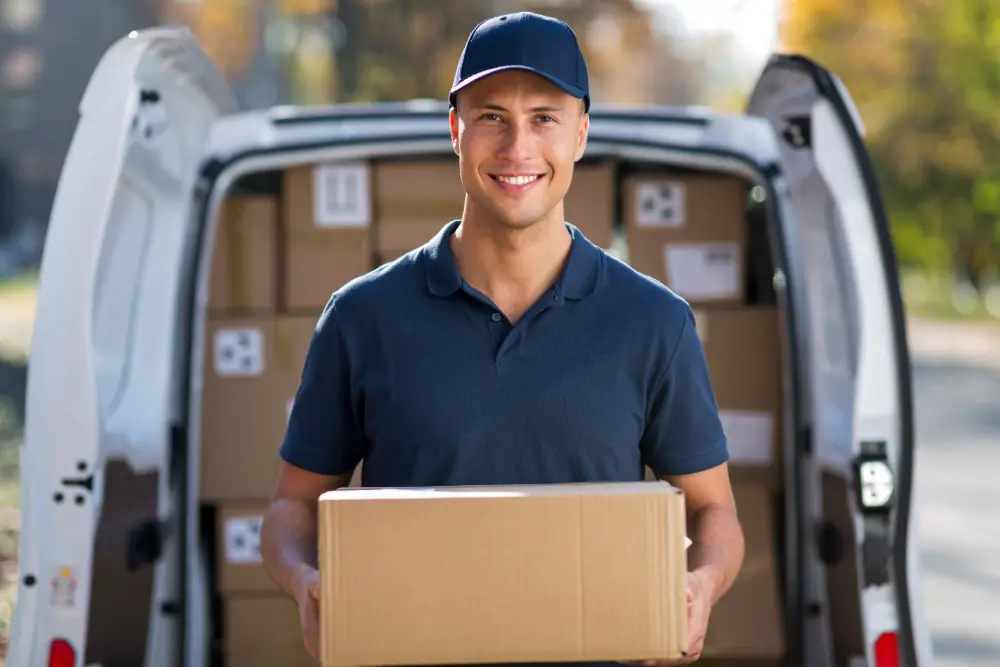
Most traffic advice stops at the sale. But for Shopify stores that ship or deliver locally, the delivery experience is a powerful (and frequently ignored) driver of repeat traffic, reviews, and referrals. A smooth, transparent delivery is exactly what makes a great delivery experience — and great experiences turn first-time buyers into loyal advocates.
This is where a delivery management app like EasyRoutes for Shopify earns its keep. EasyRoutes pulls your Shopify orders into optimized delivery routes, then keeps customers informed every step of the way. A few ways it strengthens the post-purchase experience:
When the experience after checkout is as good as the experience before it, customers come back — and they tell others. That word-of-mouth is some of the most valuable (and free) traffic you can earn.
The cheapest traffic is the visitor you already paid to acquire. Retention strategies — loyalty programs, subscriptions, personalized recommendations, and proactive customer service — bring shoppers back without the cost of winning them all over again. Pair a strong post-purchase experience with smart lifecycle email, and you create a flywheel where each sale fuels the next. For a practical playbook, explore these customer retention tips for delivery businesses.

More traffic leads to more sales — but only if that traffic is the right kind and your store is ready to convert and keep it. SEO and original content build a durable, compounding foundation. Paid search and social media accelerate discovery. Enticing offers and email marketing turn interest into orders. And a standout delivery experience, powered by tools like EasyRoutes, turns one-time buyers into repeat customers and vocal fans.
You don’t have to do all eight at once. Pick the strategies that fit your store, your budget, and your customers, then build from there. For more ways to turn traffic into lasting revenue, see our guide on how to grow your delivery revenue. Choose wisely, stay consistent, and watch your Shopify store thrive.
EasyRoutes for Shopify is best suited for merchants who already sell goods or services within the Shopify ecosystem. Users can plan optimized delivery routes with all orders received through their Shopify storefront, created via draft orders, or imported manually as custom stops.
EasyRoutes for Shopify integrates seamlessly with the Shopify Admin and dozens of leading third-party apps, making it the ideal choice for Shopify merchants seeking a streamlined local delivery solution.
Yes. New and updated Shopify orders flow into EasyRoutes automatically so your Orders page stays current for planning. If something looks off, refresh and check your date/location filters.
Yes. When you fulfill through EasyRoutes, a tracking link is added to the Shopify fulfillment so customers can follow their delivery from their order status page.
Yes. EasyRoutes Premium and Enterprise plans support branded SMS notifications with usage‑based pricing per message segment. Configure templates and funding in Settings.
Yes. With the Premium plan and above, fully customize email/SMS: add your logo and colors, edit copy/variables, and choose which events send. Works for Shopify orders and imported/manual stops.
Yes. On Premium/Enterprise plans you can display a live driver pin on tracking pages when the driver is 1–10 stops away.
EasyRoutes supports delivery photos, e‑signature, driver notes, and automatic timestamps (with GPS location when available) to provide a complete delivery record.
See: Proof of Delivery
Yes. EasyRoutes supports Shopify Local Delivery and can include Pickup orders on routes when you need a driver or staff task at your store or pickup point. Local Delivery instructions appear directly on the stop when available.
EasyRoutes optimizes deliveries using your selected orders, start & end locations, stop time intervals, time windows, and route limits. You can balance routes, respect capacities, and re‑optimize as plans change.
See: Route Options · EasyRoutes 101
EasyRoutes is the AI-native delivery operations platform trusted by 5,000+ businesses across 75+ countries. Plan routes in seconds, dispatch drivers automatically, and delight your customers — from Shopify or any order source. Experience delivery operations that run themselves. Rated 4.9 stars and certified Built for Shopify.
⭐⭐⭐⭐⭐ 4.9 stars • Trusted by 5,000+ Businesses