















Compare EasyRoutes with Upper Route Planner. Both platforms offer route optimization and order tracking, but EasyRoutes delivers deeper Shopify integration, better packing and dispatch tools, claimable routes, and flat-rate pricing that scales with your team.


If you're comparing EasyRoutes to Upper Route Planner, you're likely managing a growing delivery team and want a solution that just works—without needing to hire developers or install additional apps. Upper Route Planner is a solid standalone tool, but EasyRoutes is purpose-built for Shopify merchants and fulfillment-focused teams, with everything from order sync to proof of delivery in one easy-to-use platform.
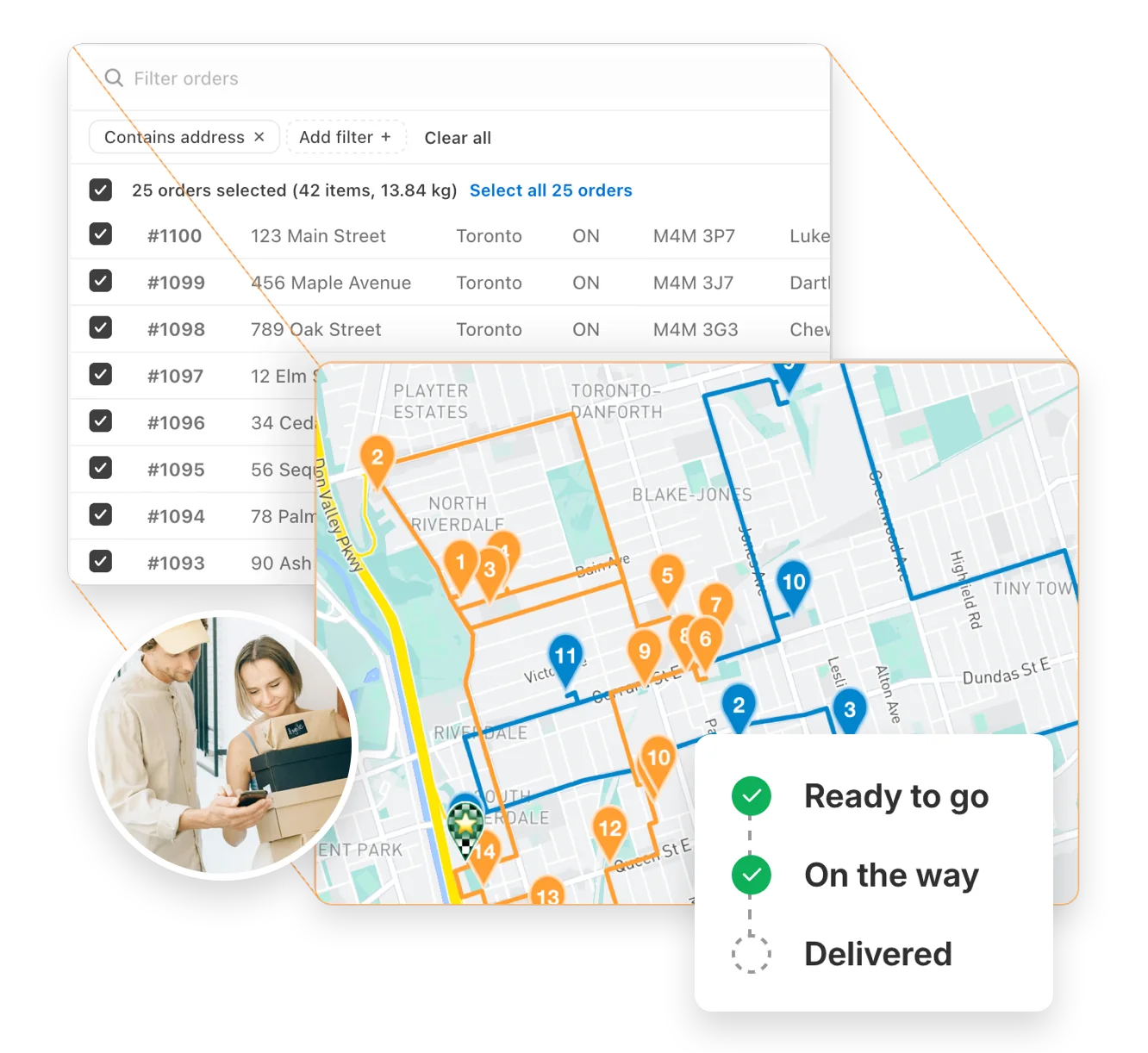
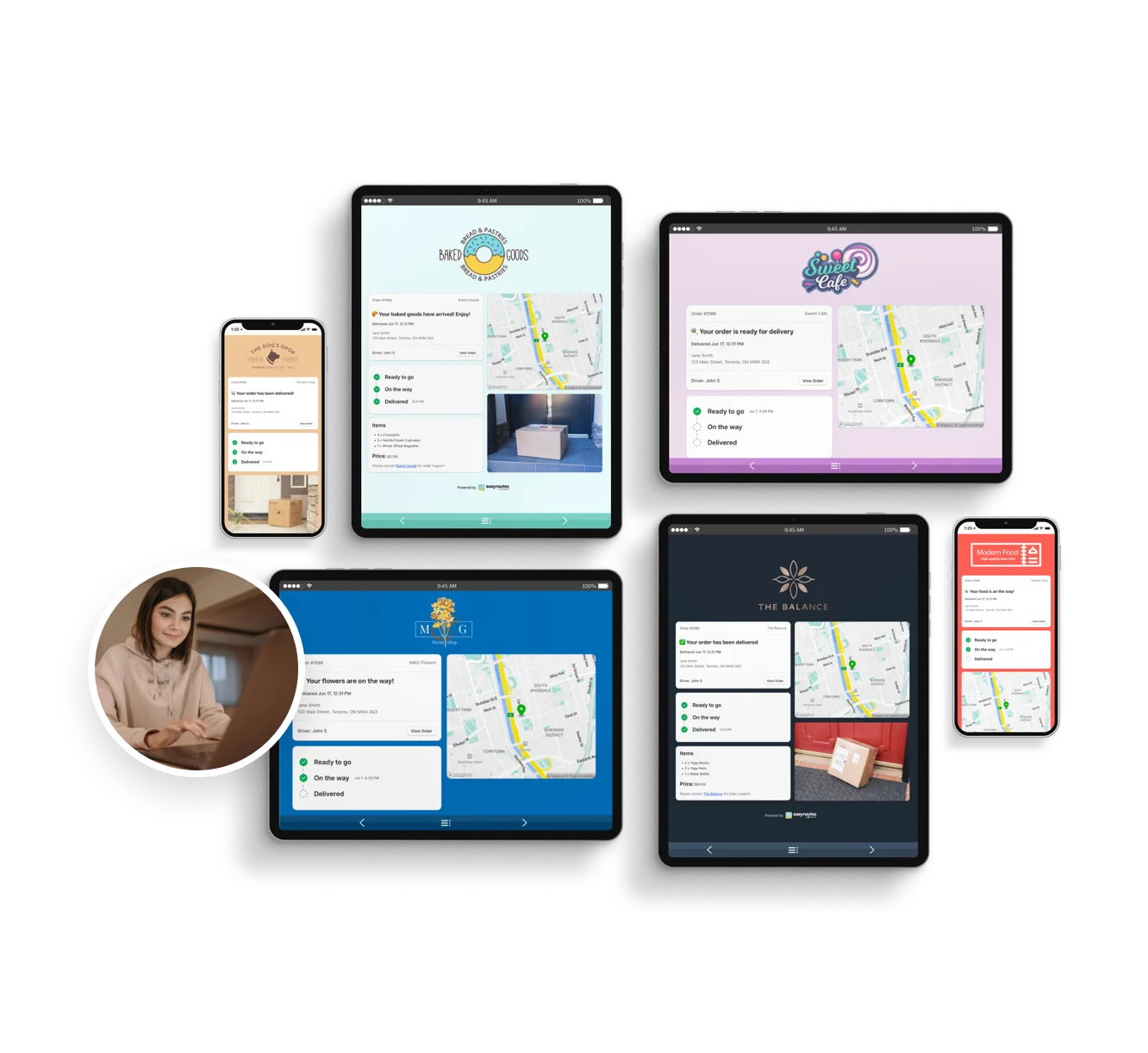
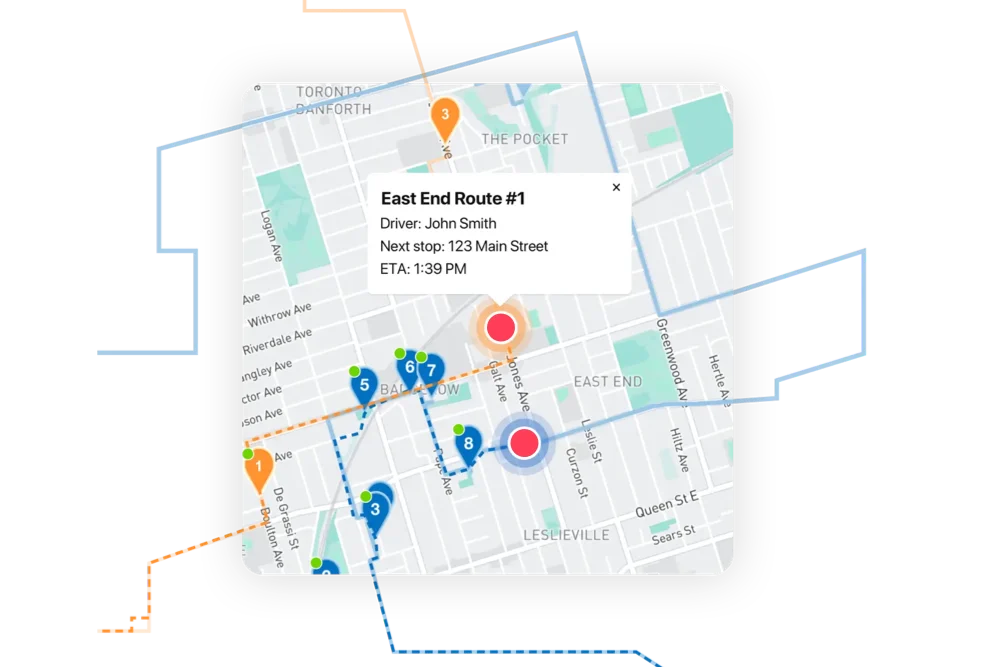
With EasyRoutes, you get optimized routing, packing lists, proof of delivery, branded customer notifications, and real-time GPS tracking—plus native Shopify integration and pricing that's predictable. Import orders from BigCommerce, WooCommerce, and other leading eCommerce platforms, as well as spreadsheets, or any source via API or Zapier.
.webp)
EasyRoutes for Shopify: Fully integrated with your Shopify store. Orders, products, tags, and delivery data sync automatically.
EasyRoutes for Web: Import orders via CSV, Zapier, or API for delivery businesses not using Shopify.
❌ Upper’s Shopify integration is only available on higher priced plans. EasyRoutes syncs orders natively on all Shopify plans—no API work or CSV uploads required.

EasyRoutes is more than a route planner. It includes:
❌ Upper lacks built-in packing lists, claimable routes, and per-stop task checklists. EasyRoutes includes them all for smoother delivery and fulfillment.

❌ Upper assumes dispatcher-assigned routes. EasyRoutes supports team-friendly claiming workflows with no added cost.

❌ Upper charges more for key features like tracking and proof of delivery. EasyRoutes offers predictable per-driver pricing and a free tier to start.


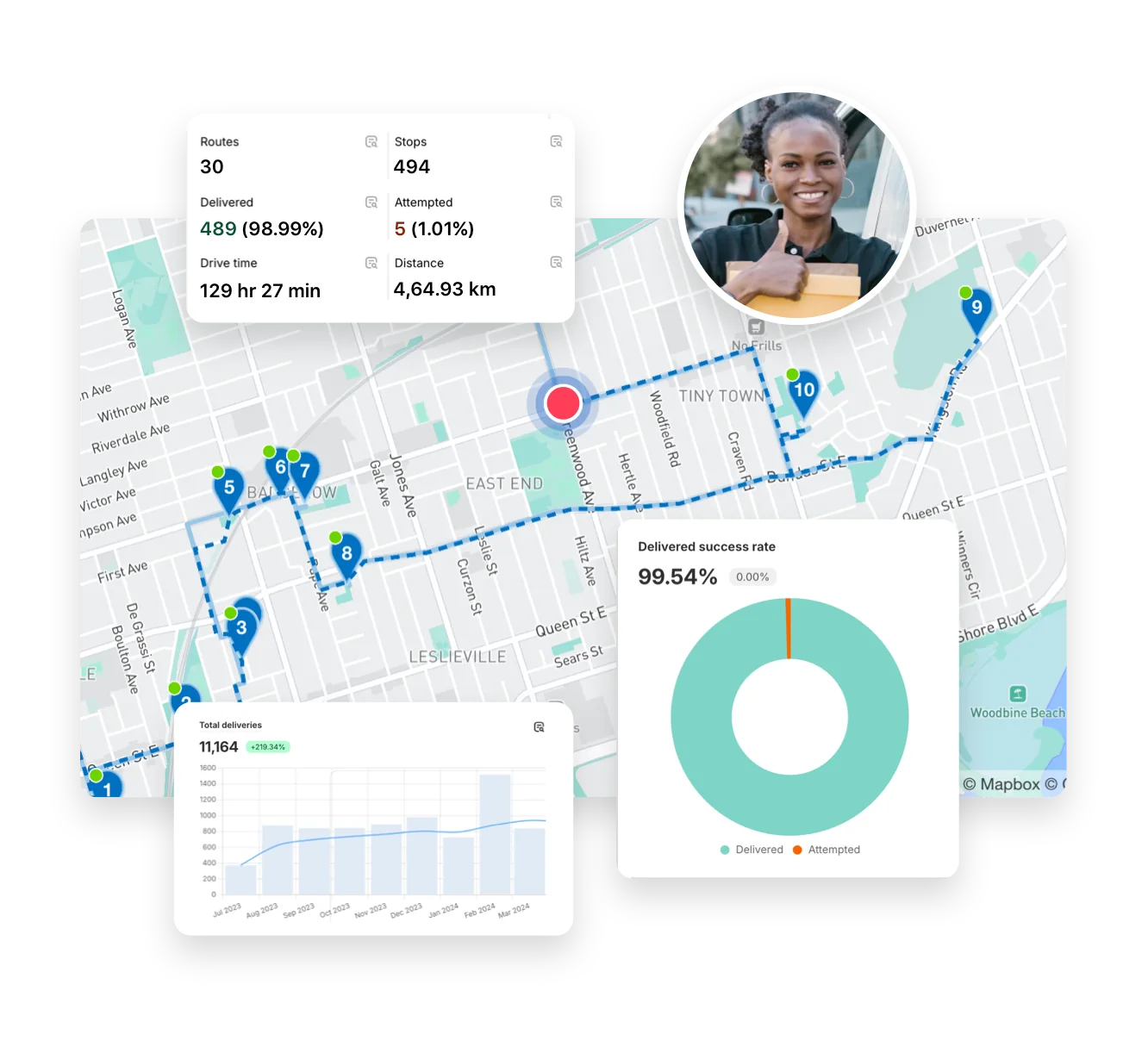
EasyRoutes gives you more than just optimized routes. It gives you a complete last-mile delivery hub—from route planning to dispatch to proof of delivery.
Join thousands of delivery-focused businesses—including florists, bakeries, grocery subscriptions, and meal kits—who trust EasyRoutes to power their local deliveries.
.webp)
EasyRoutes is a delivery management and route optimization platform for merchants, local delivery teams, and logistics operators. It helps you plan routes, dispatch to drivers, track progress in real time, and notify customers. Works with Shopify and integrates with other e-commerce platforms via EasyRoutes for Web.
Yes. Send EasyRoutes webhook events into Zapier and build no‑code workflows (e.g., update Sheets, post to Slack, send emails).
See: Zapier Integration
Yes. EasyRoutes lets you set limits for maximum route duration, maximum stops per route, and maximum items per route. Configure these constraints in Route Options before planning, or when editing a route.
See: Route Options
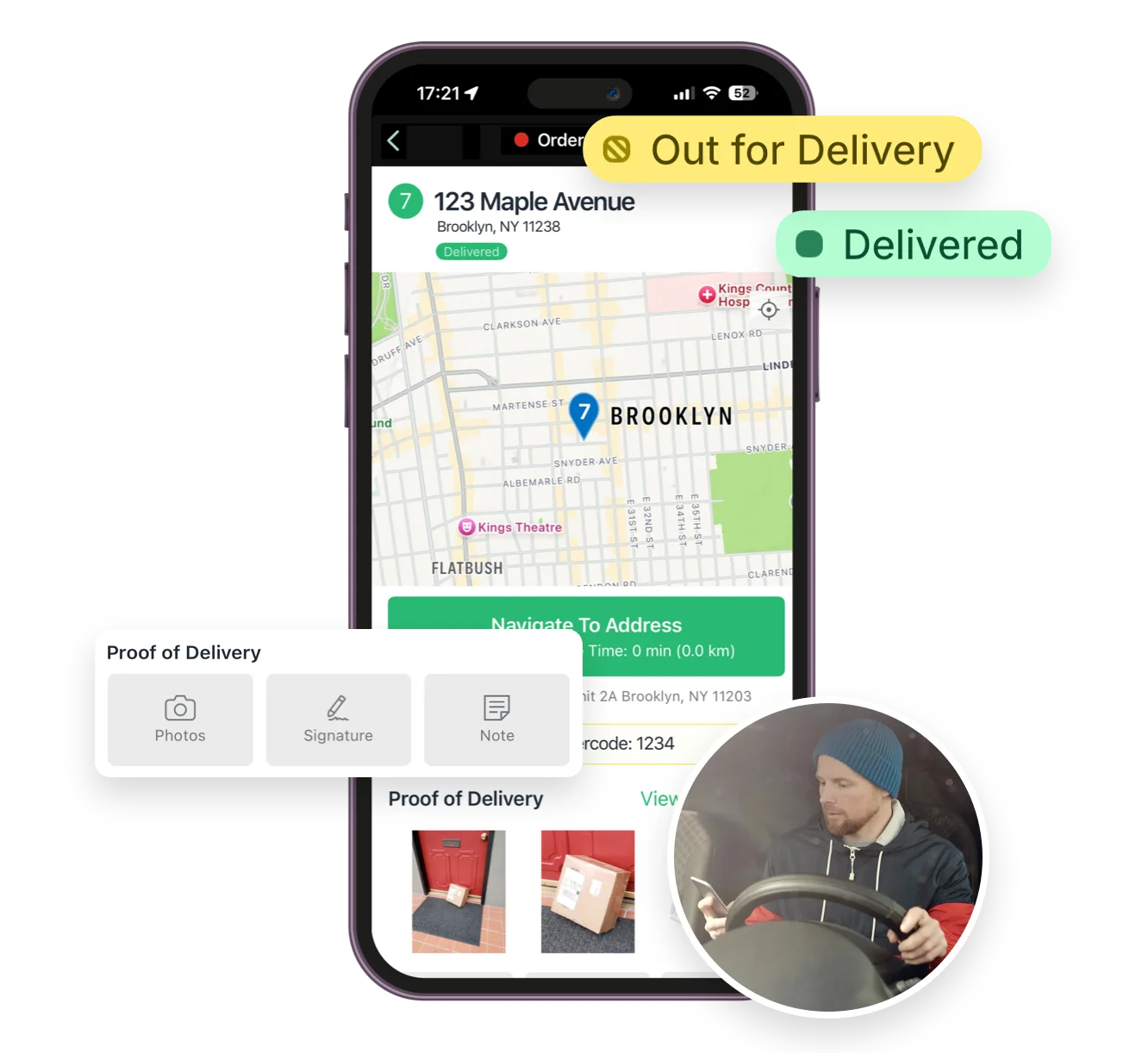
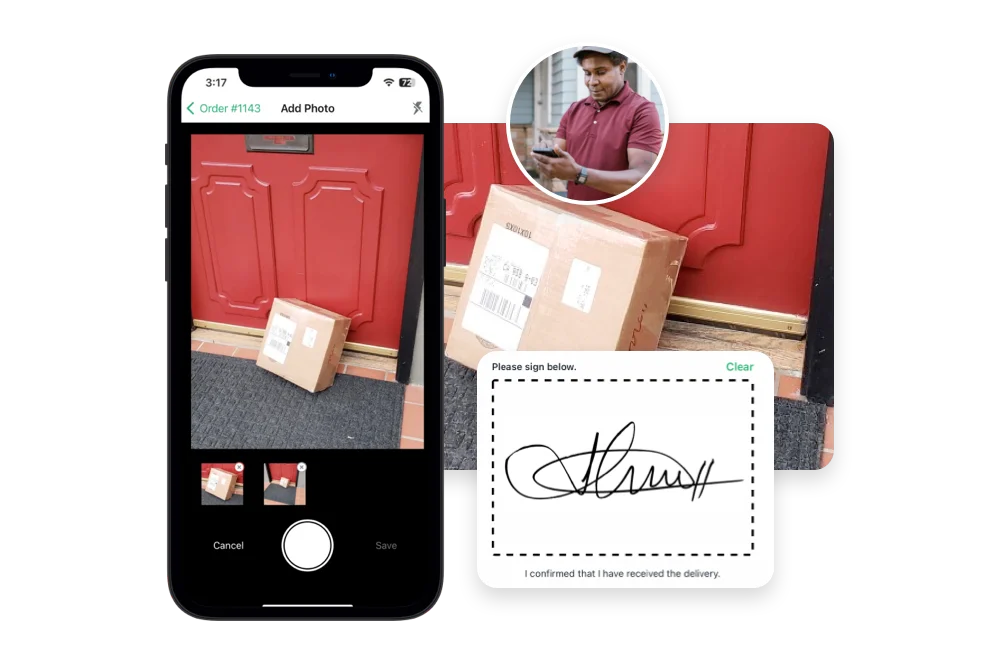
EasyRoutes supports delivery photos, e‑signature, driver notes, and automatic timestamps (with GPS location when available) to provide a complete delivery record.
See: Proof of Delivery
Yes. Drivers see a manifest in the mobile app, and you can also print route manifests with order details for offline use or records. Choose the Print menu on any route.
Yes. Email and SMS editors include Preview with Example Data so you can confirm branding and variables before enabling. For live tests, try a draft order to yourself.
Go to your EasyRoutes Settings → Driver settings, and enable real‑time tracking. Have drivers allow location Always + Precise location in the EasyRoutes Delivery Driver app and their mobile device's settings.
Yes. Mark a Scanner-input task as required for Delivered and/or Attempted, or require a Barcode Scan as proof of delivery in Driver Settings. See: Driver tasks
Invite drivers from the Drivers & Vehicles tab of your EasyRoutes navigation menu. Enter a driver's phone number and they’ll receive a link to install and sign in to the app.
See: Adding a Driver
SMS messaging rates are determined by the country of the recipient, and are billed on a per-segment basis.
Yes. Set specific start/end locations per route to represent different depots or driver home bases and plan accordingly.