Flower Delivery in 2026: Trends, Stats & How to Grow
By Joe SnyderThe 2026 flower delivery guide: market stats, trends, how to start a flower delivery business, and route planning to deliver fresh, on time.

The 2026 flower delivery guide: market stats, trends, how to start a flower delivery business, and route planning to deliver fresh, on time.
The flower delivery business is equal parts artistry and logistics. Behind every bouquet that arrives fresh and on time sits a supply chain racing the clock, a fleet navigating city traffic, and a customer watching their phone for an update. As 2026 unfolds, the brands that win are the ones pairing beautiful arrangements with operations that actually deliver. This guide pulls together the market data shaping the industry, the trends redefining customer expectations, a practical roadmap for launching a flower delivery business, and the route-planning playbook that keeps perishable orders moving efficiently.
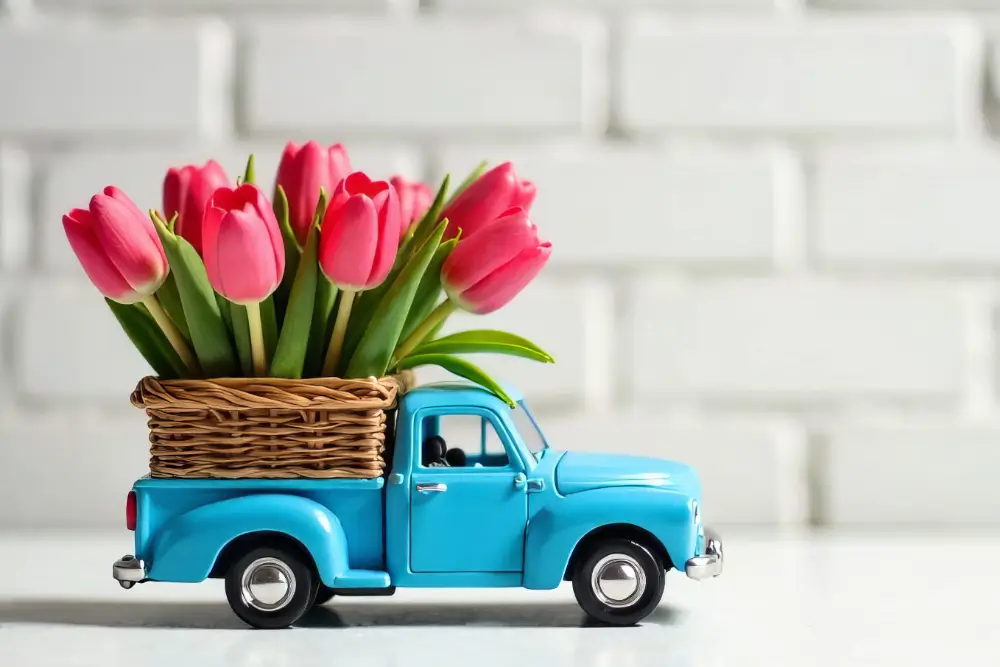
Flowers remain one of the most resilient categories in discretionary retail. In the United States, the florist industry is worth roughly $7.9 billion across more than 37,000 businesses, a fragmented landscape where no single player dominates and independents compete on creativity and service. Zoom out to gifting specifically and the opportunity grows: the North America floral gifting market was valued at around $16.6 billion in 2025 and is projected to approach $25.8 billion by 2034, a steady climb powered by personalization, subscriptions, and corporate gifting.
Demand is also intensely seasonal, and the calendar drives the business. Valentine’s Day spending in the U.S. was forecast to hit a record $29.1 billion in 2026, with about $3.1 billion of that going to flowers and roughly four in ten shoppers buying blooms. Earlier industry analysis found that Valentine’s Day alone accounts for about 30% of annual floral purchases, with the December holidays close behind. For operators, that concentration means the difference between a profitable year and a painful one often comes down to how well a handful of peak days are executed. Mastering those rushes, from Mother’s Day order surges to last-minute Valentine’s runs, is a core competency rather than a nice-to-have.
The channel mix has shifted decisively online, too. For Valentine’s Day, the internet is now the single most popular place consumers shop, ahead of department, discount, and specialty stores, and the online segment is the fastest-growing slice of floral sales overall. That matters operationally: an online-first customer expects to order in a few taps, choose a delivery window, and watch the order move. Meeting that expectation is less about a prettier website and more about the fulfillment engine behind it.
One macro factor worth watching: roughly 80% of cut flowers sold in the U.S. are imported, primarily from Colombia and Ecuador, which leaves pricing exposed to tariffs, currency swings, and weather disruptions. A cold snap or a new levy can move bouquet prices by double digits within a single season. Smart operators are responding by diversifying sourcing and tightening the parts of the operation they can control, especially delivery, where efficiency gains drop straight to the bottom line.

Eco-consciousness is now a genuine purchase driver, not a marketing afterthought. In PwC’s global consumer research, 80% of consumers said they would pay more for sustainably produced or sourced goods, with a willingness to spend nearly 10% extra. In floral terms, that shows up as biodegradable packaging, locally grown stems, and electric or optimized delivery fleets. Reducing the carbon footprint of the last mile is part of that story, and operators leaning into greener transportation choices can turn an operational decision into a brand differentiator.
Customers no longer compare florists only to other florists; they compare them to every same-day, real-time-tracked delivery they have ever received. That has made technology table stakes. From route optimization that compresses drive time to tracking systems that send live updates, tech now decides whether a delivery feels premium or frustrating. The same-day expectation has been reinforced by logistics partners and marketplaces normalizing speed, and floral and gifts sit squarely among the categories where same-day delivery is becoming an expectation rather than an upsell. Pairing fast fulfillment with real-time tracking and proactive notifications is one of the highest-leverage investments a flower business can make.
Shorter supply chains do double duty: they cut transportation emissions and they deliver a fresher product, which is the single biggest quality signal in floral. Consumers are increasingly aware of where their flowers come from, and a tight farm-to-vase distance has become a real selling point. Local sourcing also insulates businesses from some of the import-cost volatility noted above, while supporting regional growers and community goodwill.

If the trends make the case for entering the market, the following roadmap turns intent into a working operation. The same fundamentals apply whether you are a florist adding delivery or launching a delivery business from scratch.
Start by understanding local demand and the gaps your competitors leave open. Are you serving traditional special-occasion bouquets, corporate subscriptions for offices, or eco-forward arrangements using local stems? A defined niche, such as sustainable design or luxury same-day gifting, lets you tailor branding and pricing instead of competing on volume against national wire services. Study nearby florists’ offerings, prices, and reviews to find the underserved corner you can own.
A solid plan covers your concept, target market, marketing approach, financial projections, and the logistics of sourcing and delivery. It also anchors any conversation with lenders or investors. Decide early whether you will run a storefront or operate online-only, and whether you will buy delivery vehicles or contract drivers, because those choices drive your startup capital more than almost anything else.
Freshness is the product, so a reliable supply chain is non-negotiable. Build relationships with local growers and wholesalers to lock in quality and pricing, especially ahead of peak windows like Valentine’s Day and Mother’s Day. Use inventory management that integrates with your order platform to minimize waste on perishable stock. Then decide how deliveries get done; investing in delivery management software early prevents the routing chaos that derails most new operations once order volume climbs.
Most customers find flower delivery online, so a clean, mobile-friendly website with an intuitive checkout and order tracking is essential. Lean into visual platforms like Instagram and Pinterest, where arrangements sell themselves, and invest in local SEO for searches like same-day flower delivery near me. Customer reviews and social proof do a disproportionate amount of the selling in this category.
Smooth deliveries and genuine care turn one-time buyers into repeat customers. Use delivery technology to dispatch drivers efficiently, keep customers informed, and capture proof that flowers arrived in perfect condition. Follow up after delivery, track satisfaction, and use the data to fix bottlenecks before they cost you a holiday rush.
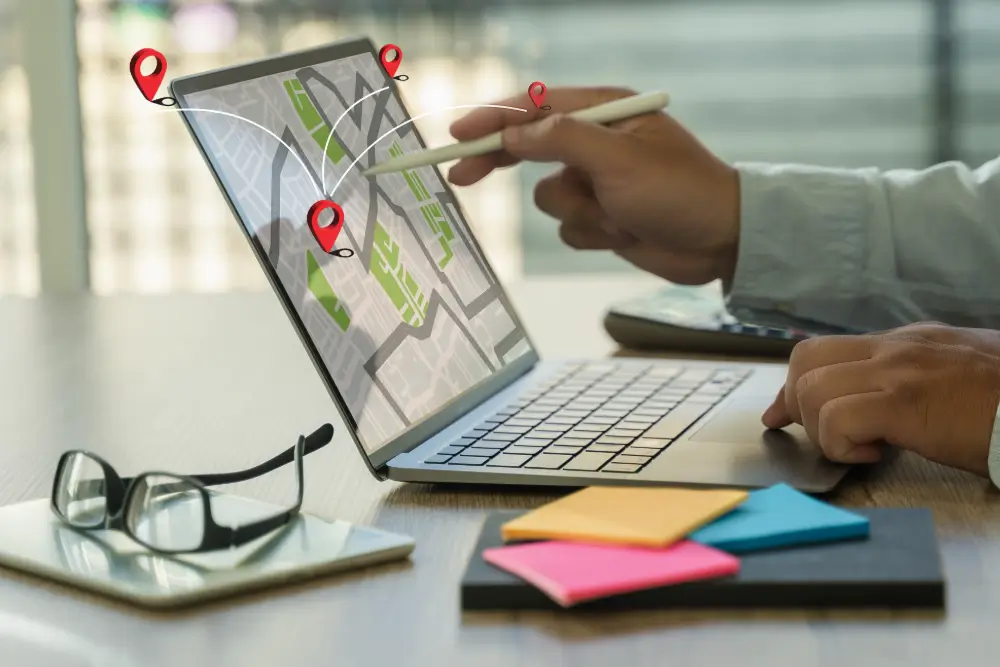
Once orders are flowing, routing becomes the quiet difference between margin and chaos. Flower delivery has a few structural challenges that make manual planning especially painful: order volumes swing wildly by season and even by day, no two weeks look alike thanks to weather and traffic, and every perishable order is racing a freshness clock. Planning by spreadsheet simply does not scale when a holiday triples your stop count overnight.
There are people-side challenges, too. You have to keep drivers productive without burning them out, honor local labor rules and break requirements, and minimize idle time so every vehicle on the road is actually earning. Deciding which driver handles which stops, factoring in travel time, vehicle capacity, and proximity, is genuinely hard to do well by hand, and the cost of getting it wrong is a late or failed delivery on the one day a customer cannot forgive.
This is where route optimization earns its keep. Good routing software lowers delivery costs by sequencing stops for the shortest practical drive time, cutting fuel use and letting each driver complete more deliveries per shift. It helps you meet rising customer expectations through accurate ETAs and tracking links sent by email or SMS. It gives managers a bird’s-eye view of the whole operation so bottlenecks get caught in real time. It reduces the manual intervention that eats your team’s day, freeing them to focus on arrangements and service rather than puzzling over a map. And it makes your data work for you, surfacing the performance patterns that help you forecast demand and plan smarter for the next peak. For businesses juggling dozens or hundreds of daily drops, a dedicated multi-stop route planner is the backbone of the whole operation.
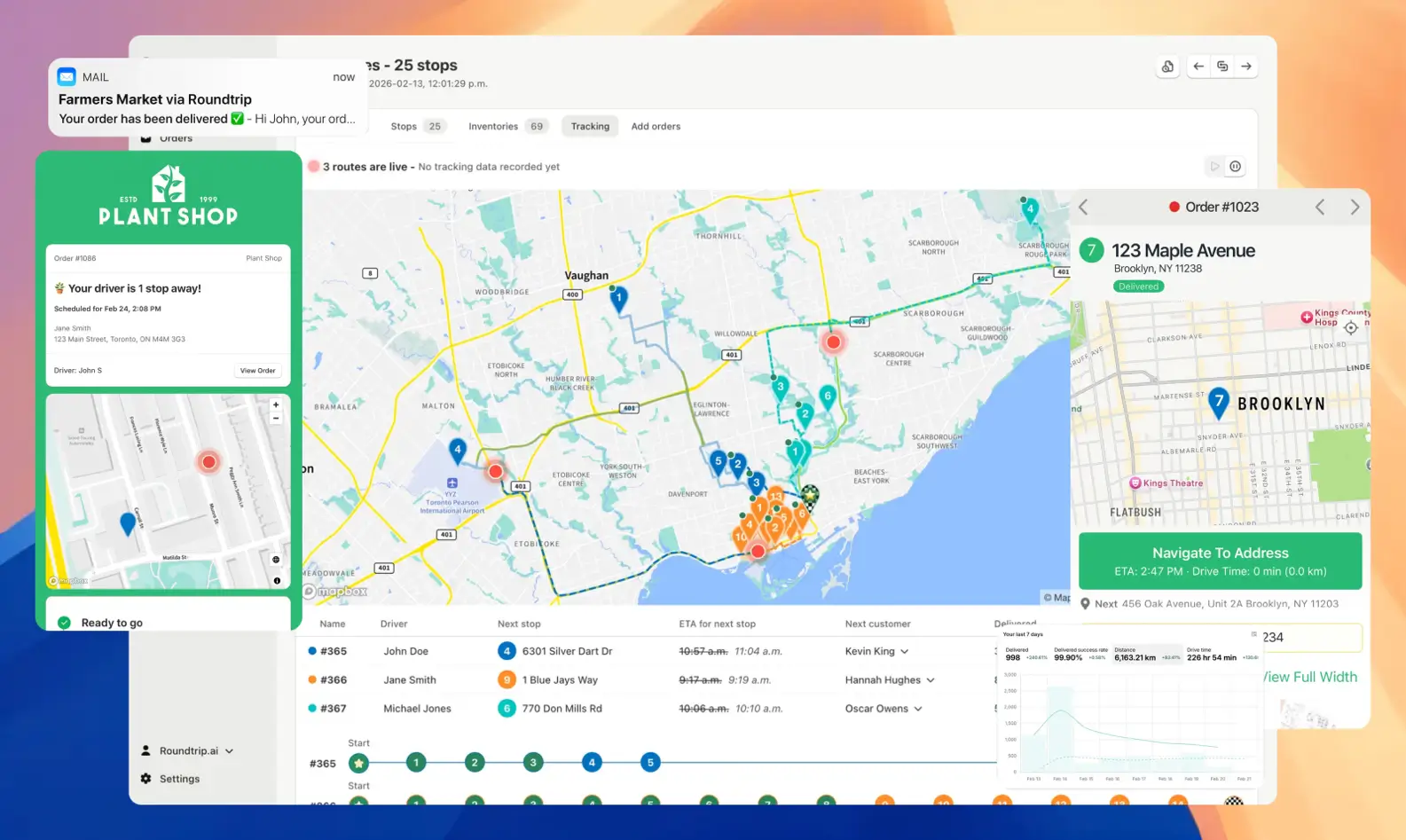
EasyRoutes is route planning and delivery management software built for Shopify and other leading eCommerce platforms. It optimizes multi-stop delivery paths so drivers take the most efficient route possible, then lets you adjust schedules, routes, and driver assignments in a few clicks as same-day orders roll in. Customers receive automated tracking notifications, and drivers can capture photo proof of delivery so buyers know their flowers arrived on time and intact. With route planning that can save you a significant share of your daily planning time, EasyRoutes turns the messiest part of floral logistics into a competitive advantage. You can explore it with a free trial whenever you are ready to scale.
The flower delivery landscape in 2026 rewards businesses that match floral craft with operational discipline. Sustainability, technology, and local sourcing are reshaping what customers expect, while seasonal peaks and import pressures raise the stakes on execution. Get the fundamentals right, then let route optimization carry the operational load, and your business is positioned to bloom. Ready to streamline your deliveries? EasyRoutes is a great place to start.
EasyRoutes optimizes deliveries using your selected orders, start & end locations, stop time intervals, time windows, and route limits. You can balance routes, respect capacities, and re‑optimize as plans change.
See: Route Options · EasyRoutes 101
Yes. Create routes in minutes, add last‑minute stops, and re‑optimize during the day. Dispatch instantly to drivers with live tracking and customer notifications.
See: Re‑optimize · Dispatch
Yes. You can set delivery time windows per stop or import them from supported third‑party date/time apps. EasyRoutes optimizes routes to meet these windows and calculates ETAs accordingly.
Yes. EasyRoutes Premium and Enterprise plans support branded SMS notifications with usage‑based pricing per message segment. Configure templates and funding in Settings.
Yes. Enable Real‑Time Tracking in Settings → Driver settings (Premium/Enterprise subscription plans) to view live driver location and progress in the Tracking tab of any route.
See: Real‑Time Tracking
EasyRoutes supports delivery photos, e‑signature, driver notes, and automatic timestamps (with GPS location when available) to provide a complete delivery record.
See: Proof of Delivery
Yes. EasyRoutes supports Vehicle Profiles you can configure and assign to routes. EasyRoutes also supports capacity planning via item or weight limits per route. Use these with other options (like time windows, or custom start/end locations) to keep plans realistic and drivers on schedule.
See: Vehicle Profiles · Max items/weight per route · Commercial/GPX Export
Yes. Schedule routes for specific dates/times, and ETAs will be calculated for each stop on a route. These ETAs can be shared via customer tracking links and email/SMS delivery notifications.
EasyRoutes is the AI-native delivery operations platform trusted by 5,000+ businesses across 75+ countries. Plan routes in seconds, dispatch drivers automatically, and delight your customers — from Shopify or any order source. Experience delivery operations that run themselves. Rated 4.8 stars and certified Built for Shopify.
⭐⭐⭐⭐⭐ 4.9 stars • Trusted by 5,000+ Businesses