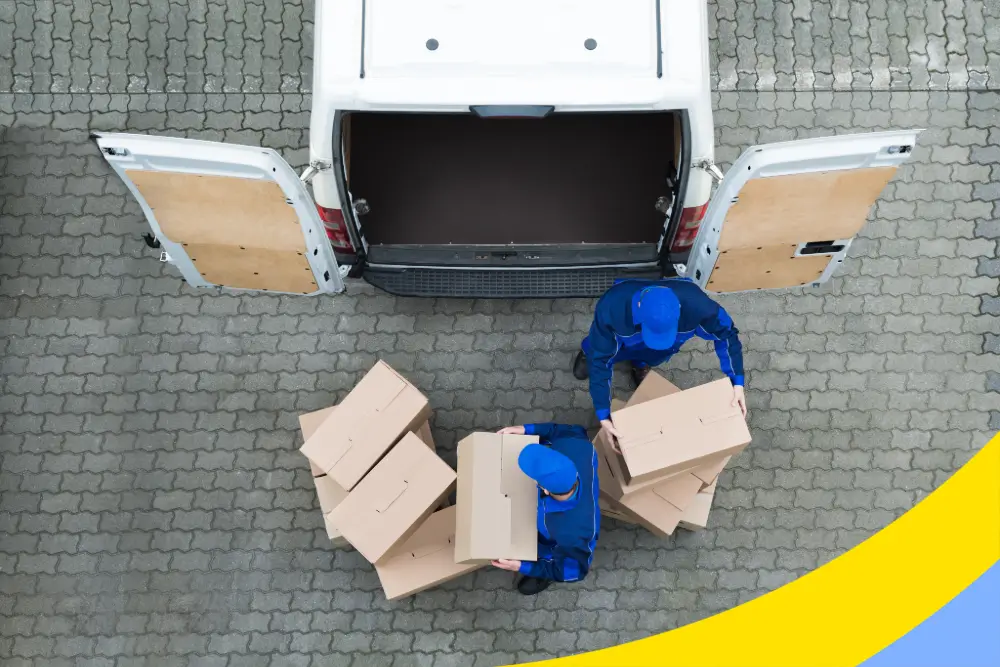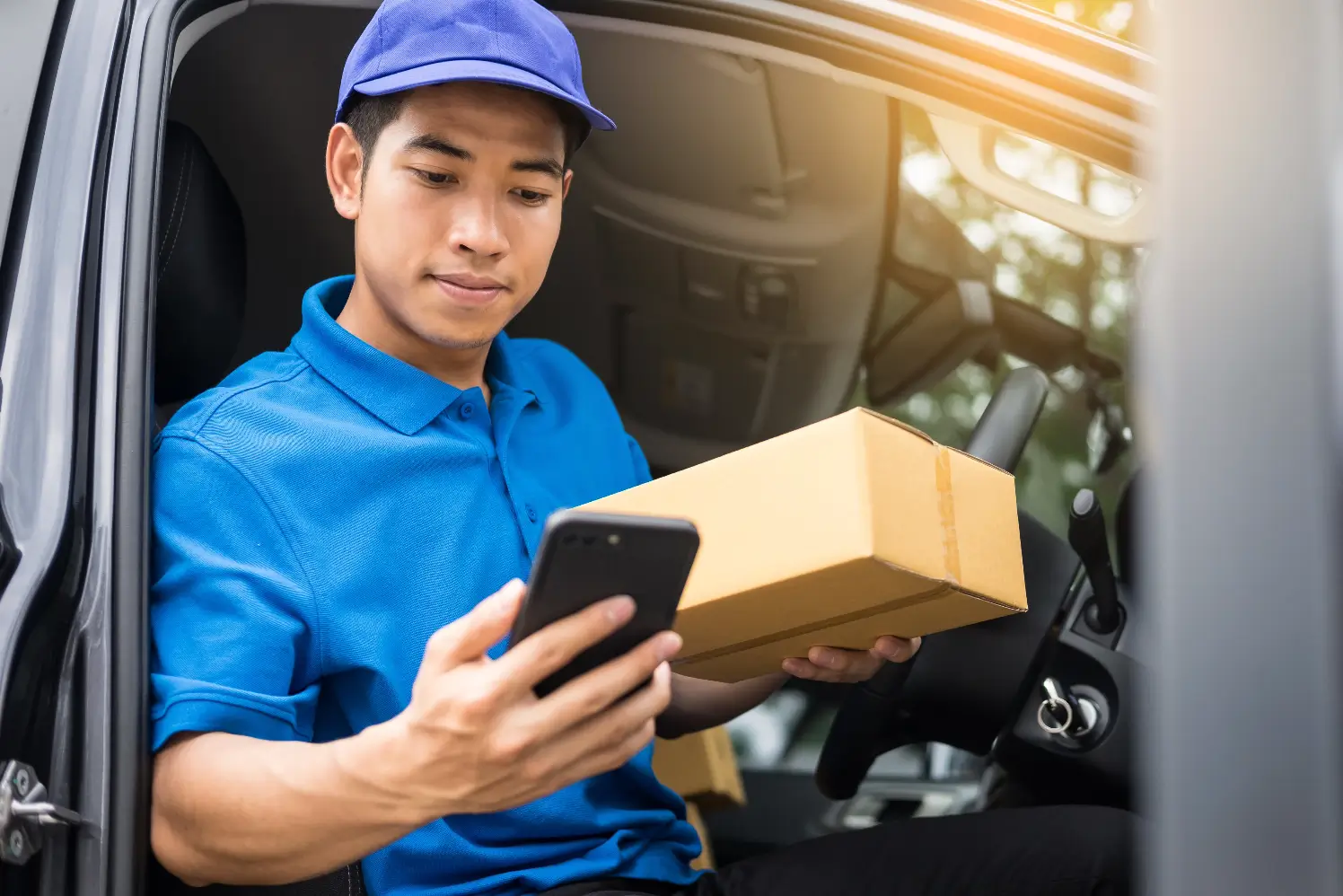
Long before marketers had a tidy definition for it, a “brand” was simply the name a product was sold under and a promise about its quality. Over time the word grew to cover every reason a customer chooses one company over another: reputation, pricing, service, personality, and the feeling they are left with after each interaction. For a delivery business, that last part matters more than most owners realize — the brand is built or broken on the doorstep, not just in the ad.
The stakes are high because trust now drives the purchase. Roughly 88% of consumers say they buy from brands they trust, and 87% will pay more for a brand name they trust, according to Capital One Shopping’s branding research. The encouraging part for a delivery operator is that trust is something you can engineer through consistency, communication, and a reliable delivery experience. Below are the levers that build a delivery business brand customers remember — and return to.
What Makes a Delivery Business Brand Strong?
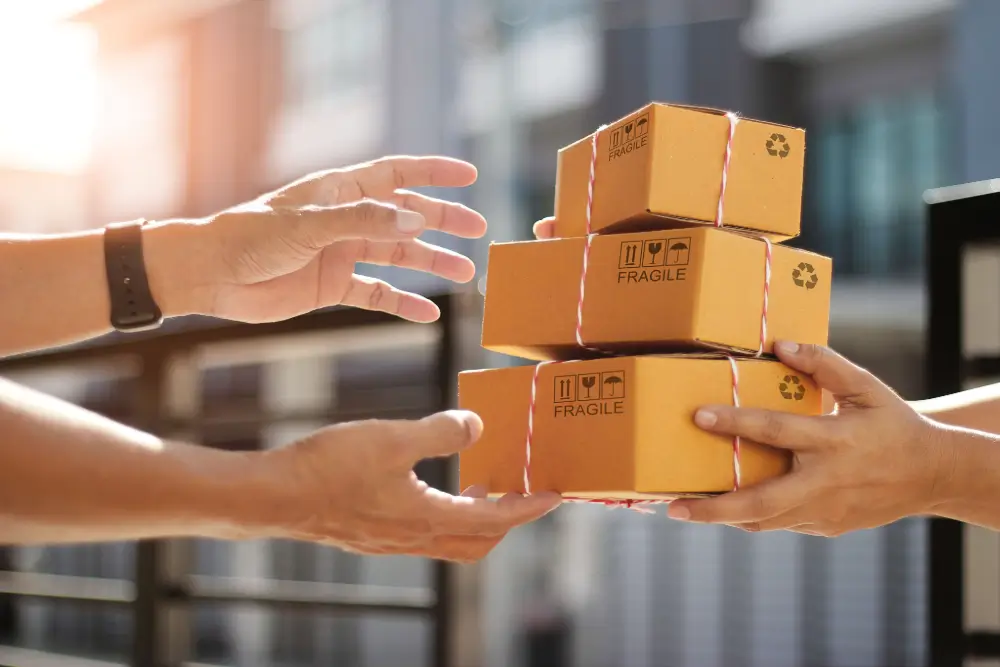
A strong brand is the sum of consistent, positive experiences. Customers should know what to expect from you — and get it every single time. That consistency pays: about a third of businesses report that keeping their brand consistent lifts revenue by 20% or more. In a crowded, fast-growing market, that reliability is also a competitive edge. The global last-mile delivery market was valued at roughly $167 billion in 2025 and is projected to reach nearly $349 billion by 2033, per Grand View Research. More players are chasing the same doorsteps, so the brands that win are the ones that turn delivery from a cost center into a memorable, repeatable experience.
Winning the brand marathon starts with a simple idea: the customer sits at the center of everything. A healthy delivery business keeps its existing customers coming back while steadily adding new ones — and the former is far cheaper than the latter. Let’s look at the practical ways to add value to both your brand and your customers at the same time.
Know What Your Customers Actually Need

Brand awareness only takes hold when you understand your customers well enough to solve real problems for them. People simply won’t remember — let alone champion — a brand whose product feels irrelevant to their lives. That makes research the foundation of brand-building: dig into customer pain points, unmet needs, and the gaps your competitors leave open, then design your service to fill them.
For delivery businesses, those needs have shifted decisively toward speed, flexibility, and visibility. Shoppers now expect on-demand and same-day options, transparent pricing, and the ability to control how and when their orders arrive — fully 92% of consumers weigh delivery windows when deciding whether to buy, according to Capital One Shopping’s e-commerce delivery research. A company that ignores these expectations will struggle to register with its target market, no matter how good the underlying product is. Knowing your customer is not a one-time exercise, either; expectations move with the market, so the brands that stay relevant keep listening.
The cheapest research often comes straight from your own operation. Post-delivery surveys, support tickets, repeat-order patterns, and the questions customers ask before buying all reveal what your market actually values. Segment that feedback — first-time buyers, loyal regulars, high-spenders, lapsed customers — and you can tailor both your service and your messaging to each group instead of guessing. The trust this earns compounds: roughly 71% of consumers are likely to buy again from a brand they trust, compared with just 12% of those who distrust it. Listening, in short, is not a soft skill; it is a direct input to revenue.
Build a Consistent Brand Personality
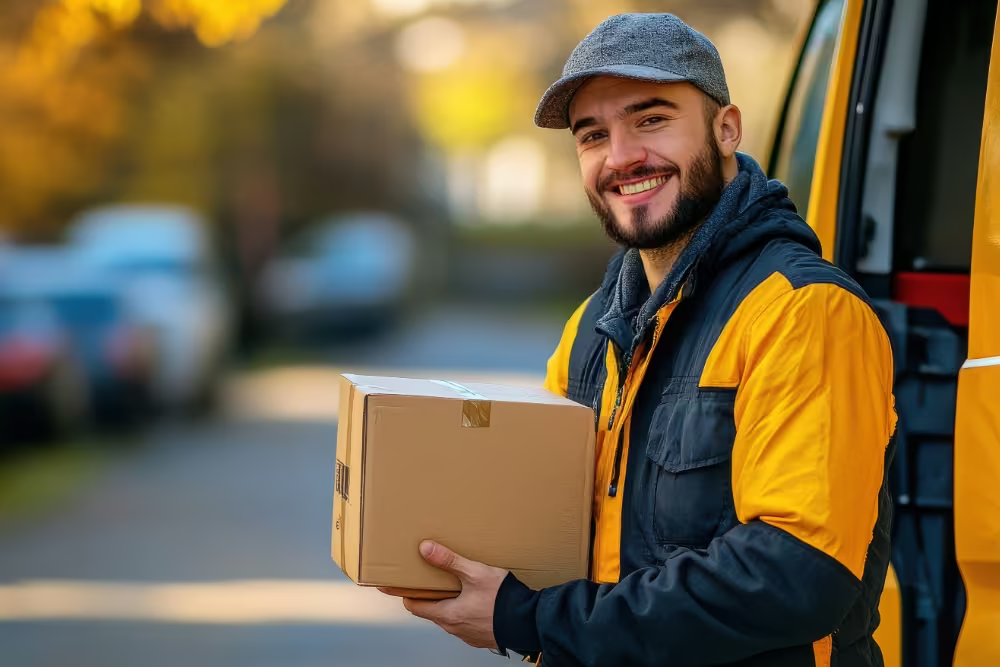
A first impression forms in about a tenth of a second, and it takes five to seven exposures before most people remember a brand at all. That math rewards consistency. Every touchpoint — your packaging, your driver’s uniform and demeanour, the tone of your notifications, your social posts, even the wording on a tracking page — should feel unmistakably like you. When those signals line up, customers form a clear mental picture of your brand; when they clash, the picture blurs and trust erodes.
Personality is part of that picture, too. Customers increasingly want to feel connected to the brands they buy from — about 76% say they would rather buy from a brand they feel connected to, and connected consumers are worth meaningfully more than merely satisfied ones. For a delivery business, personality often shows up in small, human moments: a friendly note in the box, a driver who greets customers by name, a tone of voice in your messages that sounds like a person rather than a system. Decide what your brand stands for, write it down, and hold every touchpoint to it. Consistency is what turns a service into a brand customers can describe to a friend.
Engage, Communicate, and Stay Visible
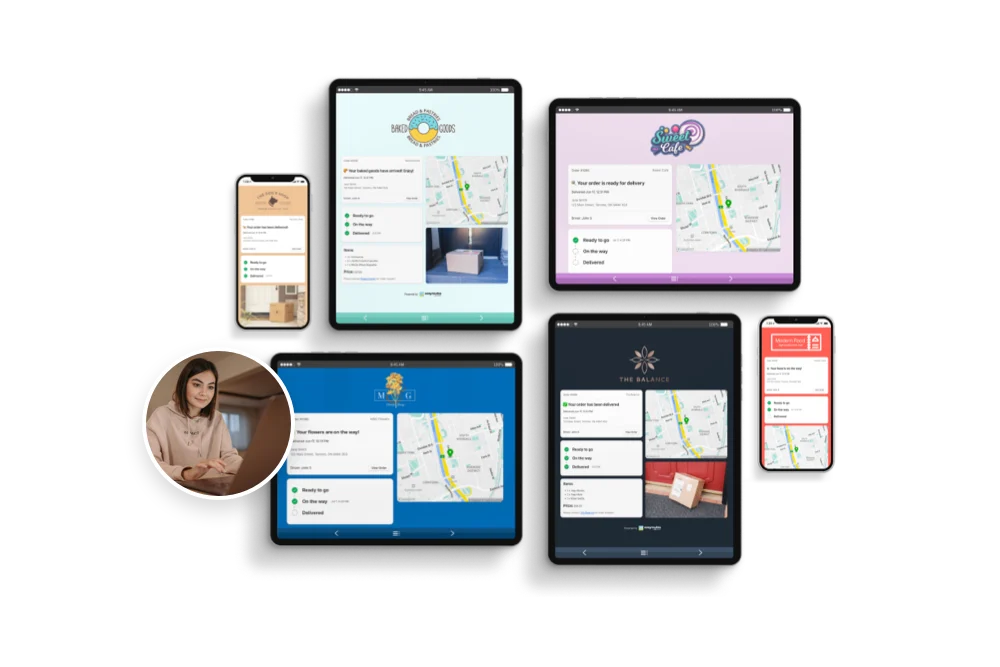
Strong brands cultivate relationships, not one-time sales. Rather than treating each order as a transaction, give customers reasons to stay connected: helpful newsletters, social content, promotions, and campaigns that keep your name top of mind between purchases. This matters more than ever — 77% of consumers say they prefer shopping with brands they follow on social media, per a roundup of branding statistics from Shapo. Visibility builds familiarity, and familiarity builds trust.
Communication shouldn’t stop at marketing, though. Some of the most brand-defining moments happen after the sale, in the window between “order placed” and “order delivered.” Proactive delivery updates — a confirmation, an out-for-delivery alert, an accurate ETA, a heads-up when something runs late — reassure customers and dramatically cut the anxious “where is my order?” messages that flood support inboxes. Treat the post-purchase journey as a branded communication channel, not an afterthought, and every delivery becomes a chance to reinforce who you are.
Innovate and Lean on Delivery Technology
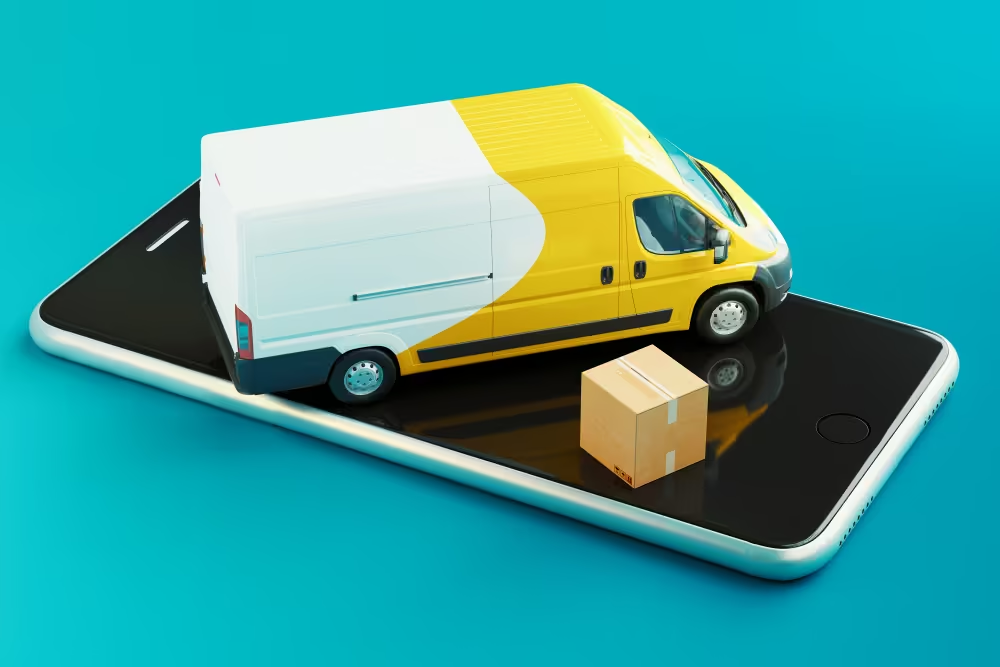
Change is a constant in business, and the brands that keep pace look stronger for it. Today’s customers are conditioned by the giants — many expect the kind of delivery experience they get from Amazon or UberEats, complete with live tracking, proactive notifications, and tight delivery windows. The good news is you don’t need their budget to compete with Amazon Prime; you need the right tools. The right delivery management software lets a small operation deliver a big-brand experience.
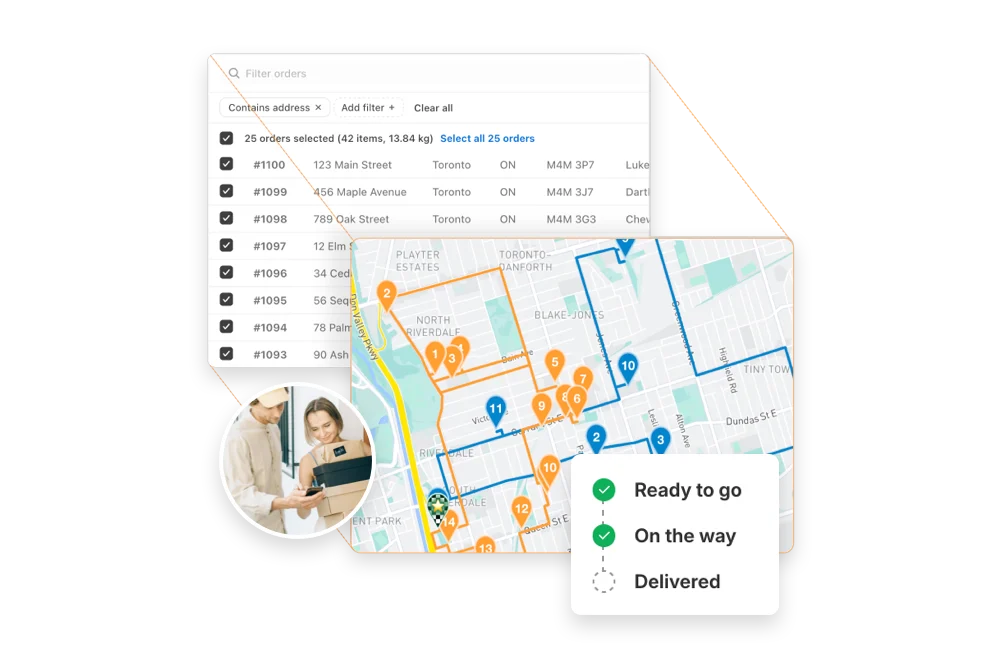
That experience hinges on transparency. Roughly 73% of consumers want to track their orders throughout delivery, and when tracking is offered, 96% of them use it. Layering in real-time tracking and branded customer notifications turns a black-box delivery into a reassuring, on-brand touchpoint. A platform like EasyRoutes handles this for Shopify merchants — optimizing multi-stop routes while sending automatic delivery notifications and live tracking pages so customers always know where their order is. Capturing proof of delivery, offering contactless or cash-on-delivery options, and meeting customers where they are all signal that your brand is built around their convenience, not yours.
Technology also strengthens your brand indirectly, by making your operation more dependable. Optimized routing means more accurate ETAs, fewer late deliveries, and lower fuel and labor costs — savings you can reinvest in service or pass along as the free and fast shipping customers increasingly expect. When the back end runs smoothly, the front-end experience your brand is judged on gets better almost automatically. The goal is not technology for its own sake, but the consistency and speed that let a small business punch well above its weight.
Make the Delivery Experience Your Brand
For a delivery business, the delivery is the product experience. It’s the one moment your brand physically arrives in a customer’s life, and it weighs heavily on whether they come back. In 2025, 76% of shoppers said a positive delivery experience influenced their decision to repurchase from a brand — up from 72% the year before, according to a consumer survey from Sifted. The same survey found that 63% of consumers consider full visibility throughout the delivery process essential, not optional.
The takeaway is clear: a great delivery experience is one of the highest-leverage brand investments a delivery business can make. Aim for on-time, accurate deliveries; keep customers informed at every step; make returns and feedback effortless; and treat each driver interaction as a brand ambassador moment. Loyal customers don’t just buy again — they bring others with them, fueling word-of-mouth growth that no ad budget can buy. Learning where your best customers come from also lets you focus marketing on the segments most likely to become advocates.
Turn Loyalty Into Growth

Brand strength shows up most clearly in retention. Existing customers account for around 65% of a typical company’s revenue, and improving retention by just 5% can lift profits by anywhere from 25% to 95%, according to SellersCommerce — yet acquiring a new customer can cost five to twenty-five times more than keeping one. In other words, the brand work that earns loyalty isn’t a soft expense; it’s one of the highest-return activities a delivery business can pursue.
Practical loyalty levers are within reach for any operator. Build dependable customer retention habits — consistent service, easy communication, and rewards for repeat orders. For businesses with predictable, recurring demand, moving customers onto a subscription model turns one-off buyers into a steady, brandable revenue stream while locking in convenience customers already crave. Every reliable delivery compounds into trust, and trust is what keeps customers from shopping around.
Loyalty also multiplies. Satisfied, loyal customers are your most credible marketers: more than half of consumers say they recommend brands they trust to others, and those referrals arrive pre-qualified and cost you nothing. Make it easy for happy customers to leave reviews, refer friends, and share their experience, and ask for that feedback at the moment a delivery lands well. A single standout delivery experience can spark a review that wins ten new customers — which is exactly why the brand work described throughout this guide pays for itself many times over.
Final Thoughts
Any delivery business’s success ultimately traces back to its brand. You may sell many things, but a brand that consistently meets customer needs, communicates clearly, embraces technology, and delivers a standout experience will outperform competitors that treat delivery as an afterthought. Keep customers’ wants, attitudes, and expectations at the center of every decision, and the payoff shows up as stronger loyalty, more referrals, and steadier growth.