Delivery Management Apps: The Complete 2026 Guide
By Joe SnyderA delivery management app unifies route optimization, real-time tracking, customer notifications, and proof of delivery. Here's how it works for delivery teams in 2026.
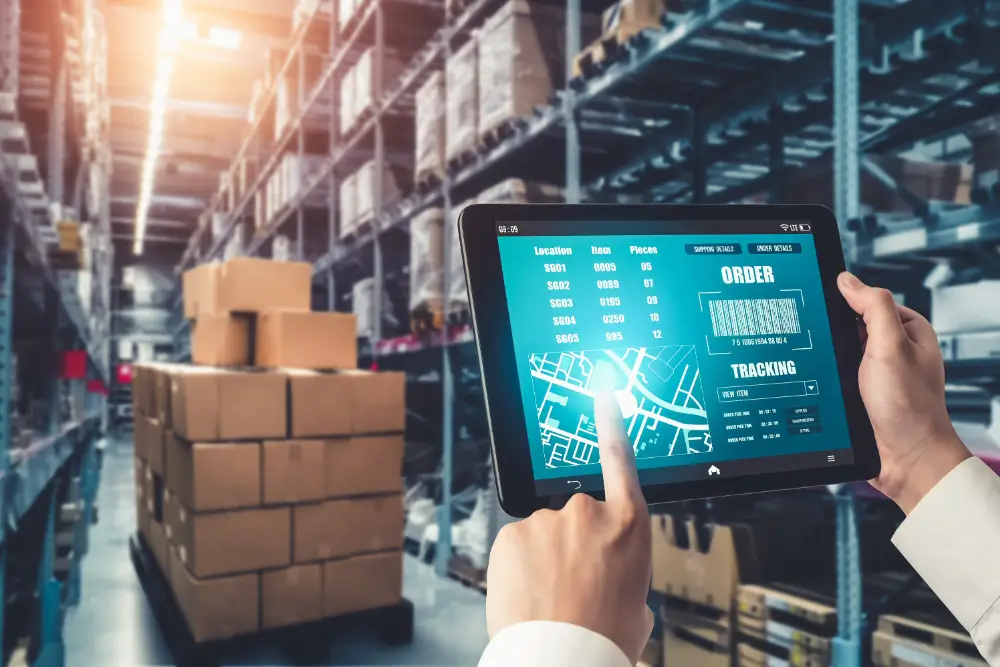
A delivery management app unifies route optimization, real-time tracking, customer notifications, and proof of delivery. Here's how it works for delivery teams in 2026.
If you run deliveries, you already know the hard part isn’t loading the van — it’s everything around it. Planning a sensible route, knowing where every driver is, keeping customers informed, and proving each parcel actually arrived. Try to juggle those jobs across a maps app, a spreadsheet, a group chat, and a camera roll, and the cracks show fast: missed stops, anxious “where’s my order?” calls, and deliveries that quietly cost more than they should.
A delivery management app pulls all of that into one place. Instead of stitching together separate tools, you get route planning, live tracking, customer notifications, and proof of delivery working from the same data. This guide explains what a delivery management app does, why it matters more than ever in 2026, and how EasyRoutes brings the whole workflow together for merchants and local delivery teams.
A delivery management app is software that plans, executes, and tracks deliveries from the warehouse door to the customer’s doorstep. The best platforms combine three core jobs that delivery teams used to handle separately: route preparation and optimization, order and delivery management, and proof of delivery. Rather than running a different app for each — and copying information between them — a flexible delivery management platform lets you plan routes, dispatch drivers, execute stops, and confirm accurate deliveries in real time from a single source of truth.
This matters for everyone in the chain. Dispatchers get a live picture of the day. Drivers get a clear, optimized list of stops and turn-by-turn navigation. Customers get accurate ETAs and timely updates. And the business owner gets the data to see what’s working and what isn’t. If you want a deeper feature-by-feature breakdown of the category, our guide to delivery management software walks through the capabilities and return on investment in detail.

The last leg of delivery has become the expensive one. The final mile now accounts for roughly 53% of total shipping costs, up from about 41% in 2018, even though it covers the shortest distance in the supply chain. That same research values the U.S. last-mile market at around $201 billion in 2025 and projects roughly 12% annual growth through the end of the decade. In other words, the part of delivery that customers actually see is also the part that does the most damage to your margins when it’s run inefficiently.
Failed deliveries make the math worse. Industry data puts first-attempt failure at around 8% of deliveries, with nearly a quarter of businesses reporting that more than one in ten orders fail on the first try. Each missed attempt isn’t just a re-run of the route — it carries an estimated $17 in re-delivery, handling, and support costs, and roughly a quarter of customers won’t order again after a poor delivery experience. At any real volume, those losses compound quickly. You can dig into the full breakdown in our guide to last-mile delivery costs.
At the same time, customer expectations have hardened. Capital One Shopping research finds that 73% of consumers want to track their orders throughout delivery, and when tracking is offered, 96% of them use it. Stord’s 2025 mystery-shopping study found that real-time tracking has shifted from a nice extra to a baseline expectation for building trust after checkout — and that every avoidable “where is my order?” inquiry costs roughly $5 to resolve. A delivery management app is how small and mid-sized operators meet those expectations without hiring a logistics department.
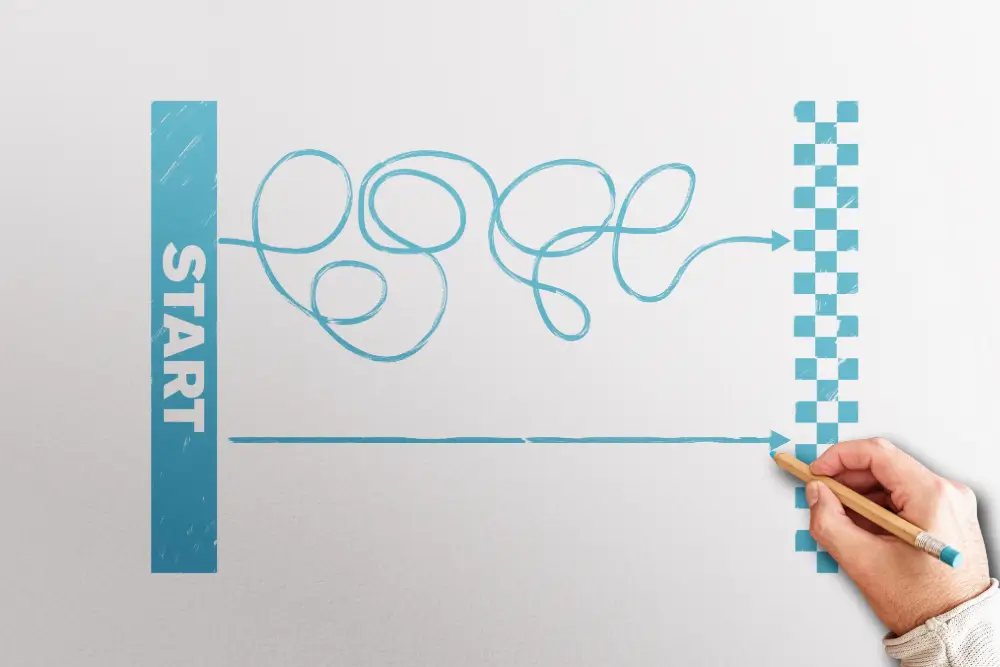
Plenty of drivers and small teams still plan routes with free mapping tools. The trouble is that those tools were built for getting one person to one place, not for moving a vehicle through dozens of stops efficiently. Most free apps cap the number of stops you can add and don’t sequence them using any real methodology, which means they ignore the factors that actually decide your day: distance, time, traffic patterns, and how stops cluster together.
A purpose-built delivery management app does the opposite. EasyRoutes uses a sophisticated routing algorithm that weighs all the relevant variables to generate the fastest practical route every time, then layers on route optimization controls so you can tailor the plan to reality. Need a parcel out the door immediately? Set that stop’s priority to ASAP and the engine finds the shortest route while honoring the priority. You can set an average time per stop for more accurate ETAs, factor in driver breaks, and respect delivery time windows so each stop lands when it’s supposed to. The app also supports different vehicle types and capacity limits, so a route never gets planned beyond what the van can actually carry. When the route is ready, drivers navigate with whatever they prefer — Google Maps, Apple Maps, or Waze.
This is also the single biggest lever on cost and reliability. Tighter sequencing cuts mileage and fuel, fits more stops into the same shift, and raises the odds a driver reaches each address inside its window. It’s no surprise the route optimization software market is growing fast: one analysis values it at about $7.9 billion in 2025, rising toward $16.8 billion by 2031 as e-commerce volume and driver shortages push more operators to automate planning.
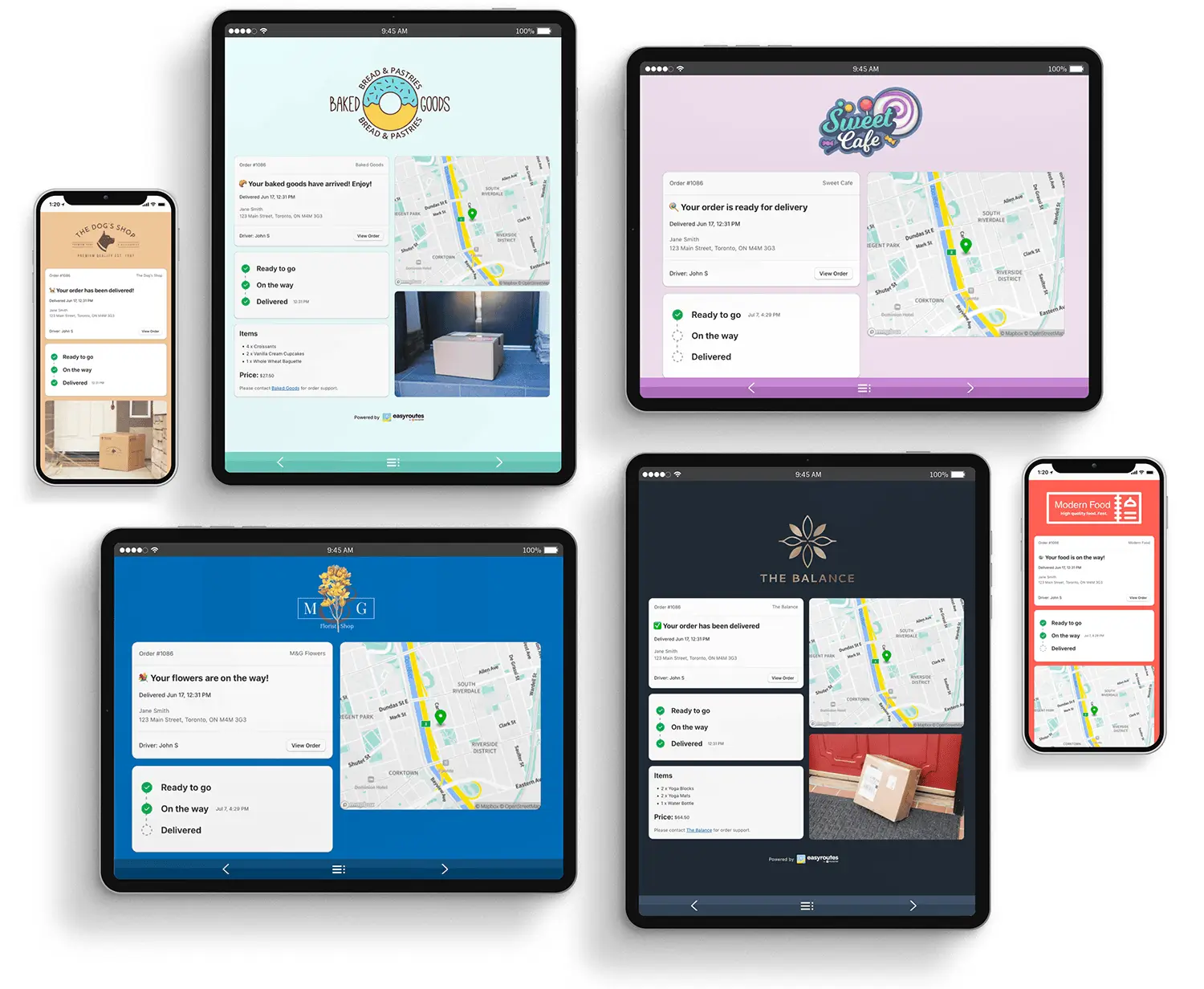
Once routes are out, a delivery management app becomes your command center. Live route tracking shows where every driver is relative to their plan and which stop they last completed, so when a customer calls, whoever is on the phones can see the driver’s position and the current ETA for each stop without guessing. That same visibility is what turns dispatch from reactive firefighting into proactive coordination — and it’s the heart of any good dispatch management setup.
The other half is customer communication. The principle is simple: keep people informed and you keep them happy. EasyRoutes sends automated status updates by email or SMS at the moments that matter — when a route is dispatched and the order is on its way, when the delivery is completed, and when a stop couldn’t be completed because no one was available. You can customize when notifications go out, alert customers proactively about delays, and share a branded tracking page that shows the driver’s real-time location and a live ETA. As drivers approach each stop, they can read any delivery instructions the customer left.
The payoff is concrete: Sifted’s 2025 consumer survey found that 63% of shoppers consider full delivery visibility essential, and that nearly half stop buying from a brand after one poor delivery experience. Proactive updates also quietly shrink your support load by heading off WISMO inquiries before they happen. For a deeper playbook, see our guide to real-time tracking and keeping customers informed.
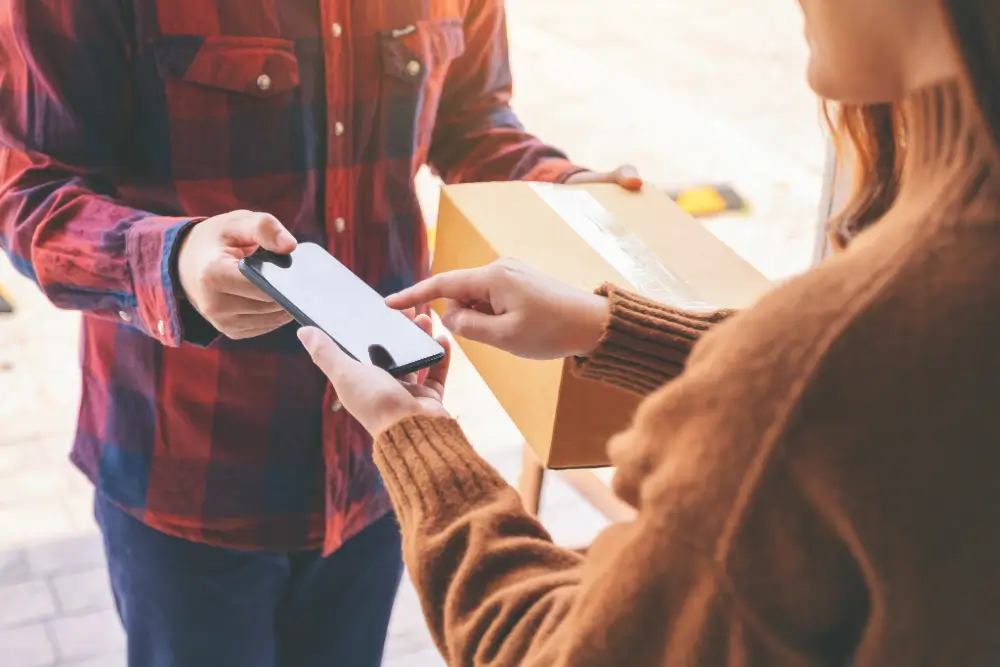
Proof of delivery closes the loop. With EasyRoutes, drivers capture electronic proof — photos of where a parcel was left, e-signatures, or barcode scans — directly from the mobile app. If a package goes to a safe spot, the driver can photograph the location so there’s a clear record. Either way, the customer receives a final confirmation that their order arrived, and the proof syncs automatically to the cloud where it’s visible from the web app and can be shared on the customer’s tracking link.
That record does real work. It settles “I never got it” disputes, deters friendly fraud, and gives B2B customers the documentation they need to reconcile a delivery. By synchronizing communication between the driver-side mobile app and the dispatcher’s web app, your operation is simply better equipped to deliver — and to prove it. Our guide to proof of delivery benefits and implementation covers how to roll it out without slowing drivers down.

Because failed first attempts are so expensive, reducing them is one of the fastest ways a delivery management app pays for itself. Most failures trace back to a short list of causes: incomplete or wrong addresses, customers who aren’t home, missed time windows, and stops loaded onto the wrong vehicle. A connected app attacks each of those. Optimized routing and accurate ETAs raise the odds a driver arrives when someone’s actually there; proactive notifications with tight time windows let customers plan to receive the parcel; and a clear driver app reduces the operational slip-ups that send a package to the wrong place.
The visibility helps after the fact too. Being able to see completed versus missed stops, along with the reason each delivery failed, turns a vague problem into a fixable pattern — a specific zone, time slot, or address type you can target. For the full strategy, including how to handle the returns that follow a failed drop, see our guide to reducing missed deliveries.
Delivery teams often end up with a patchwork of tools because each one solved a single problem at the time. The issue is that the patchwork isn’t flexible enough to handle planning the route, driving the route, and managing the delivery as one connected flow. When you evaluate a dedicated platform, look for the pieces that have to work together: genuine route optimization (not just stop ordering), real-time tracking and accurate ETAs, automated customer notifications, a capable driver app with proof of delivery, order integration so you’re not re-keying data, multi-stop and multi-driver scalability, and clear analytics. Ease of use and responsive support matter just as much, because software only delivers ROI when your team actually adopts it.
It’s also worth weighing cost against value rather than price alone: a slightly more expensive app that lifts first-attempt success and cuts mileage usually pays back many times over. Our guide to choosing the right route planner walks through the exact questions to ask a vendor before you commit, and why on-time delivery should anchor the whole decision.
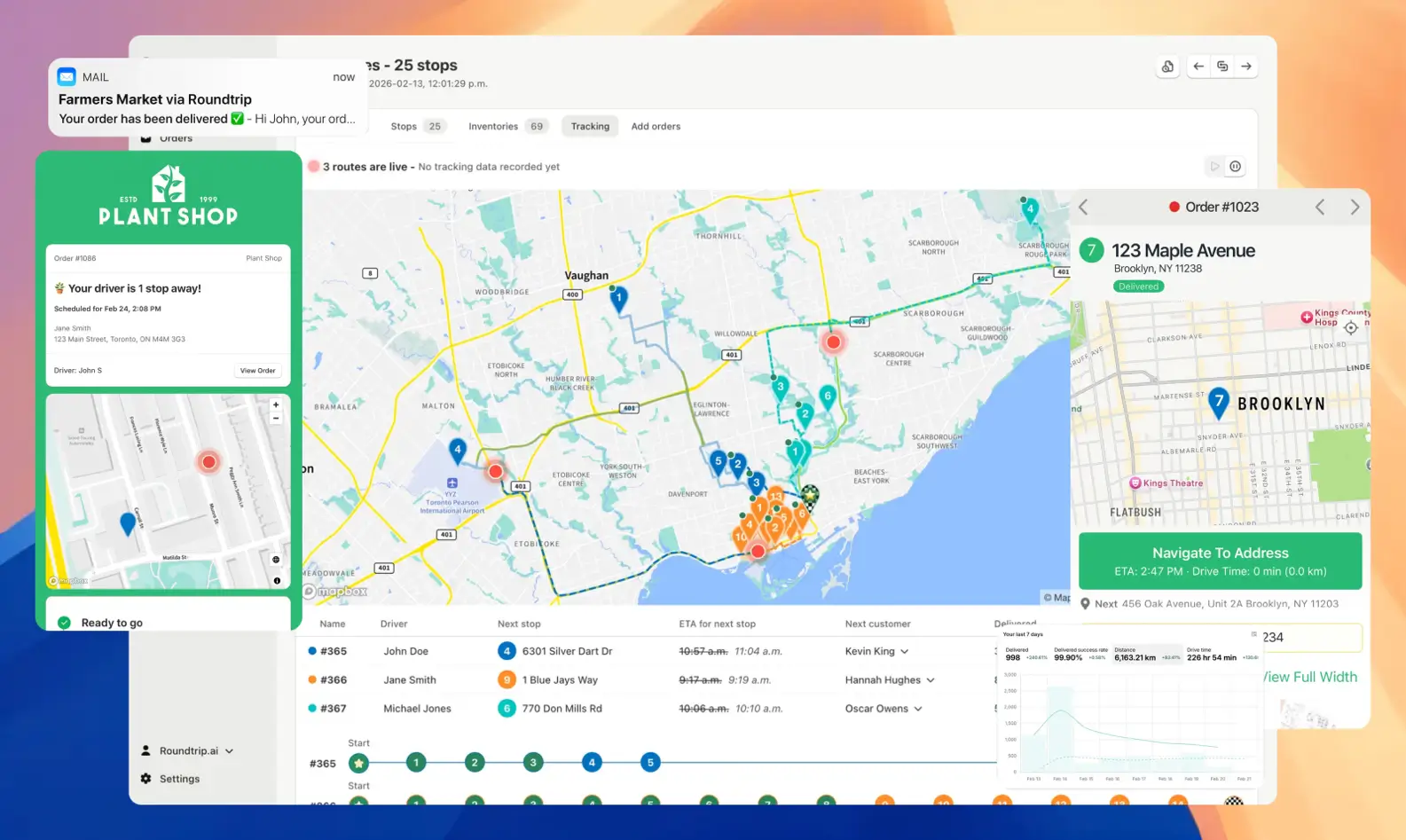
EasyRoutes brings the whole workflow into one platform: a dispatcher-side web app for planning, monitoring, and managing routes from afar, and a driver-side mobile app for executing deliveries on the road. You get route optimization, live tracking, automated customer notifications, and proof of delivery without bolting together half a dozen disconnected tools. For Shopify merchants, it plugs straight into your store — routing Shopify Local Delivery and Pickup orders, syncing fulfillment status, and adding tracking links automatically — which is why it’s become a go-to for Shopify route planning. For merchants selling on other eCommerce platforms or delivering orders placed via phone or in-store, EasyRoutes offers multiple order import pathways requiring minimal setup to automatically sync delivery orders, wherever they're stored.
The breadth of options is the point: you can tailor the experience to your operation and give customers the best version of your delivery service. We’ve helped many individual drivers and growing businesses speed up the delivery process and protect their margins, all from a single app built for delivery management end to end. Check out the EasyRoutes website for further details, or start your 14-day free trial today by installing EasyRoutes from the Shopify App Store, or by creating an account on our standalone web app.
EasyRoutes is a delivery management and route optimization platform for merchants, local delivery teams, and logistics operators. It helps you plan routes, dispatch to drivers, track progress in real time, and notify customers. Works with Shopify and integrates with other e-commerce platforms via EasyRoutes for Web.
EasyRoutes optimizes deliveries using your selected orders, start & end locations, stop time intervals, time windows, and route limits. You can balance routes, respect capacities, and re‑optimize as plans change.
See: Route Options · EasyRoutes 101
Yes. EasyRoutes supports Vehicle Profiles you can configure and assign to routes. EasyRoutes also supports capacity planning via item or weight limits per route. Use these with other options (like time windows, or custom start/end locations) to keep plans realistic and drivers on schedule.
See: Vehicle Profiles · Max items/weight per route · Commercial/GPX Export
Yes. You can set delivery time windows per stop or import them from supported third‑party date/time apps. EasyRoutes optimizes routes to meet these windows and calculates ETAs accordingly.
ETAs use route distance, stop service times, and historical traffic, and they update during the day as drivers progress. Accuracy improves when addresses and time windows are clean.
Yes. EasyRoutes Premium and Enterprise plans support branded SMS notifications with usage‑based pricing per message segment. Configure templates and funding in Settings.
Yes. Use the customizable Rescheduled notification (email/SMS) to explain delays, provide a new ETA/date, and include the tracking link.
Yes. Enable Real‑Time Tracking in Settings → Driver settings (Premium/Enterprise subscription plans) to view live driver location and progress in the Tracking tab of any route.
See: Real‑Time Tracking
Yes. On Premium/Enterprise plans you can display a live driver pin on tracking pages when the driver is 1–10 stops away.
EasyRoutes supports delivery photos, e‑signature, driver notes, and automatic timestamps (with GPS location when available) to provide a complete delivery record.
See: Proof of Delivery
Yes. EasyRoutes supports Shopify Local Delivery and can include Pickup orders on routes when you need a driver or staff task at your store or pickup point. Local Delivery instructions appear directly on the stop when available.
Yes. If a scheduled start time is set, routes can be auto‑assigned and dispatched to the selected driver when created.
See: Auto‑Dispatch
Yes — if enabled. Planners can allow drivers to manually reorder stops and or re‑optimize remaining stops mid‑route.
Yes. Create routes in minutes, add last‑minute stops, and re‑optimize during the day. Dispatch instantly to drivers with live tracking and customer notifications.
See: Re‑optimize · Dispatch
EasyRoutes is the AI-native delivery operations platform trusted by 5,000+ businesses across 75+ countries. Plan routes in seconds, dispatch drivers automatically, and delight your customers — from Shopify or any order source. Experience delivery operations that run themselves. Rated 4.9 stars and certified Built for Shopify.
⭐⭐⭐⭐⭐ 4.9 stars • Trusted by 5,000+ Businesses