Dispatch Management Software: 2026 Features & Guide
By Sevaan FranksDispatch management software automates scheduling, route optimization, and real-time tracking to cut delivery costs and improve on-time performance.

Dispatch management software automates scheduling, route optimization, and real-time tracking to cut delivery costs and improve on-time performance.
Any business that runs deliveries or field service lives and dies by how well it gets the right person to the right place at the right time. That coordination is the job of dispatch management software, and getting it right has never mattered more. The last mile is now the single most expensive leg of the supply chain: it accounts for roughly 53% of total shipping costs, up from 41% in 2018, and the U.S. last-mile market reached about $201 billion in 2025. When the costliest part of fulfillment is also the part customers judge you on, manual dispatching with spreadsheets and phone calls quietly bleeds money.
This guide explains what dispatch management software is, how it works, the features that actually move the needle, how to choose a platform, and the pitfalls to plan around, so you can decide whether it belongs in your operation.

Dispatch management software is a platform that automates the assignment of jobs, the scheduling and sequencing of routes, and the tracking of deliveries or service calls from a single dashboard. It coordinates same-day on-demand drops, dedicated fleet runs, and scheduled deliveries alike, and it is used across logistics, courier, field service, grocery, meal-kit, and emergency-response operations.
Dispatch sits inside the larger world of fleet and delivery management software, alongside vehicle tracking, maintenance, and route optimization. The distinction is simple: dispatch is the act of deciding who does what and when, and then releasing that plan to drivers; the software is what makes those decisions fast, data-driven, and visible to everyone who needs to see them.
If your business relies on getting goods or technicians to a doorstep on a schedule, dispatch software likely applies to you. Courier and parcel companies use it to handle high daily volumes; grocery, meal-kit, and retail brands use it to power local same-day and next-day delivery; field service teams use it to route technicians efficiently between appointments. The common thread is coordination at scale, the moment a whiteboard or spreadsheet stops keeping up with the number of stops, drivers, and changes in a day.

The economics of delivery are unforgiving, and dispatch software attacks them directly. Carriers are running tighter than ever: the American Transportation Research Institute found that non-fuel operating costs hit a record $1.779 per mile in 2024, with empty (deadhead) miles averaging 16.7%. Every wasted mile and idle minute is margin walking out the door, and smarter dispatching is one of the few levers that reduces both at once. Here is where good software pays off:
Taken together, these gains compound. Fewer failed first attempts mean fewer costly redeliveries; tighter routes mean lower fuel and labor cost per stop; and clearer communication means fewer support calls and more repeat orders. For most delivery operations, dispatch software is less a single feature and more a multiplier on the efficiency of the whole team.
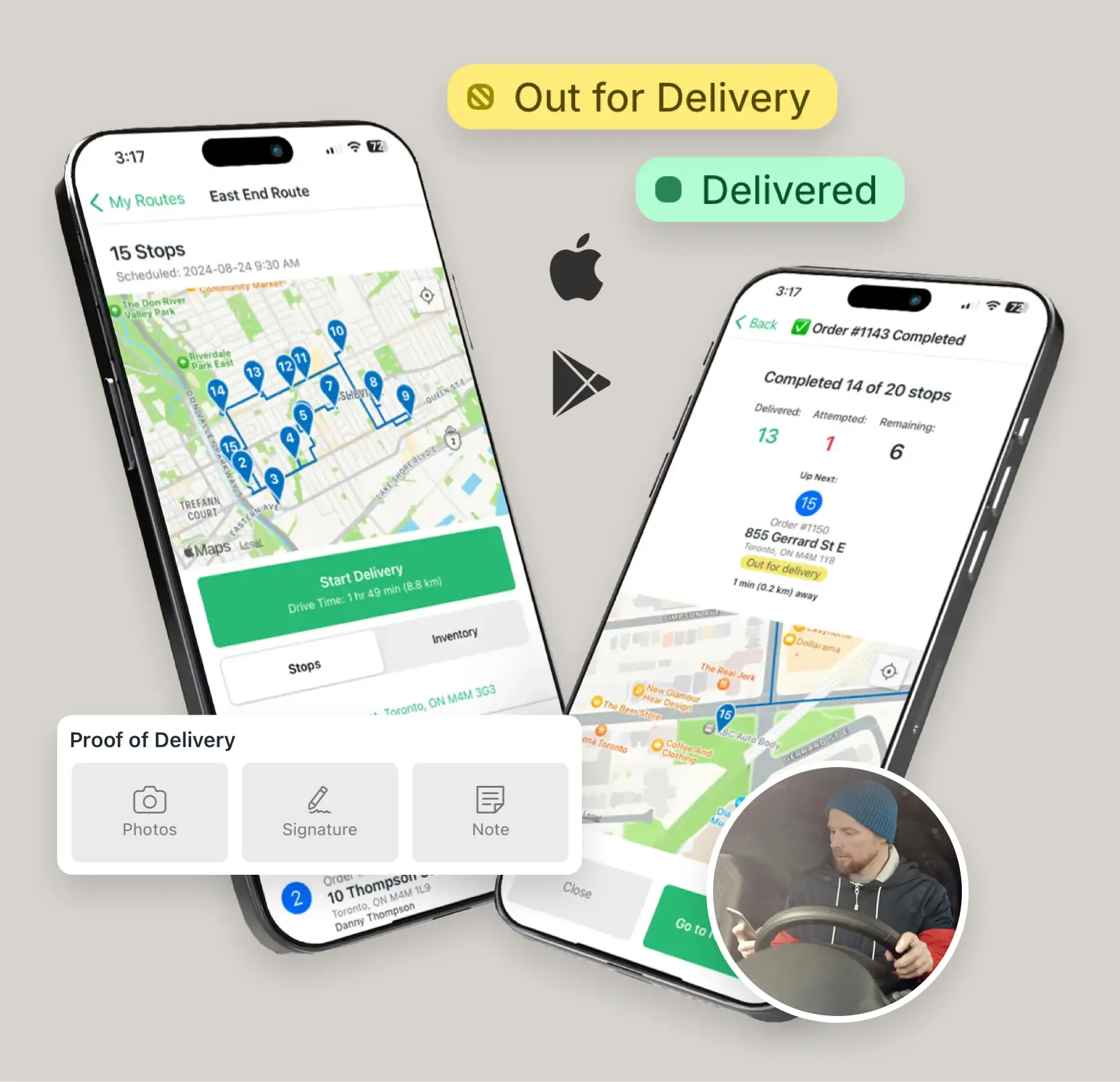
Not every platform that calls itself dispatch software does the same things well. These are the capabilities worth insisting on:
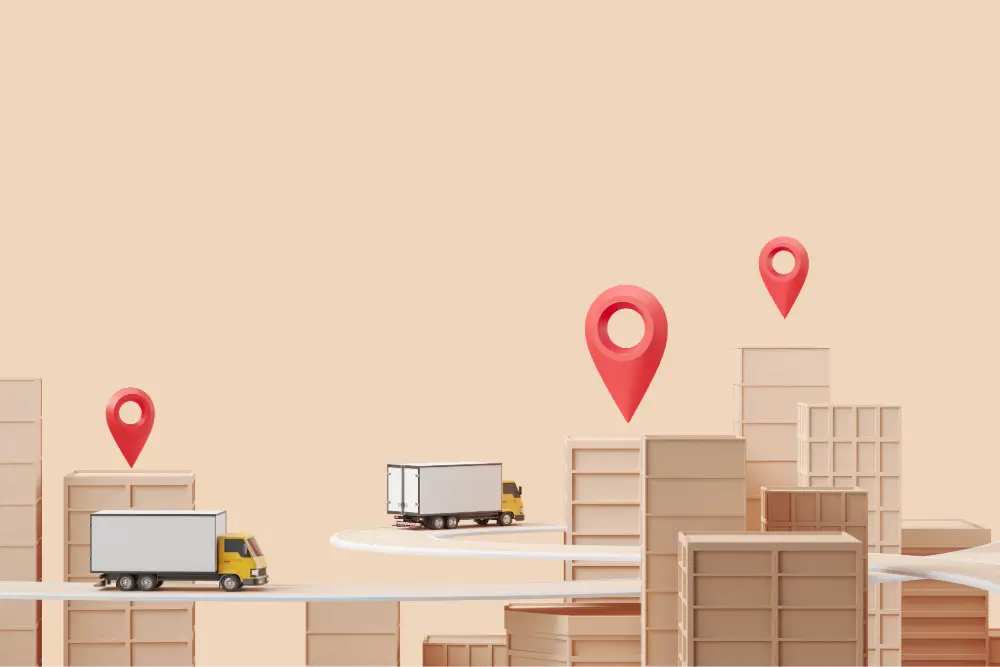
Under the hood, most platforms follow the same lifecycle:

The best dispatch software is the one whose features map to your actual workflow. Weigh these factors before committing:
If you are still running routes on spreadsheets, it is worth understanding the true cost of manual planning versus dedicated software before you decide where the tipping point is for your business.

Dispatch software delivers, but a clear-eyed rollout beats a rushed one. A few challenges come up most often. First, implementation cost and training: standing up a new system takes upfront investment and staff ramp-up, though these are largely one-time costs that pay back through ongoing efficiency. Second, integration: the platform has to slot cleanly into your existing order management and CRM, because a tool starved of data cannot deliver its full benefit. Third, driver adoption: even the best routing engine fails if drivers find the mobile app confusing or distrust its directions, so involve them early and choose software that is genuinely easy to use in the field. Underpinning all three is data quality, accurate addresses, time windows, and service times are what let optimization actually optimize.
None of these are reasons to stay on spreadsheets; they are reasons to plan. Map the integrations first, pilot with a subset of routes, and set a baseline for fuel, on-time rate, and failed deliveries before you switch, so you can prove the gains afterward and expand with confidence.
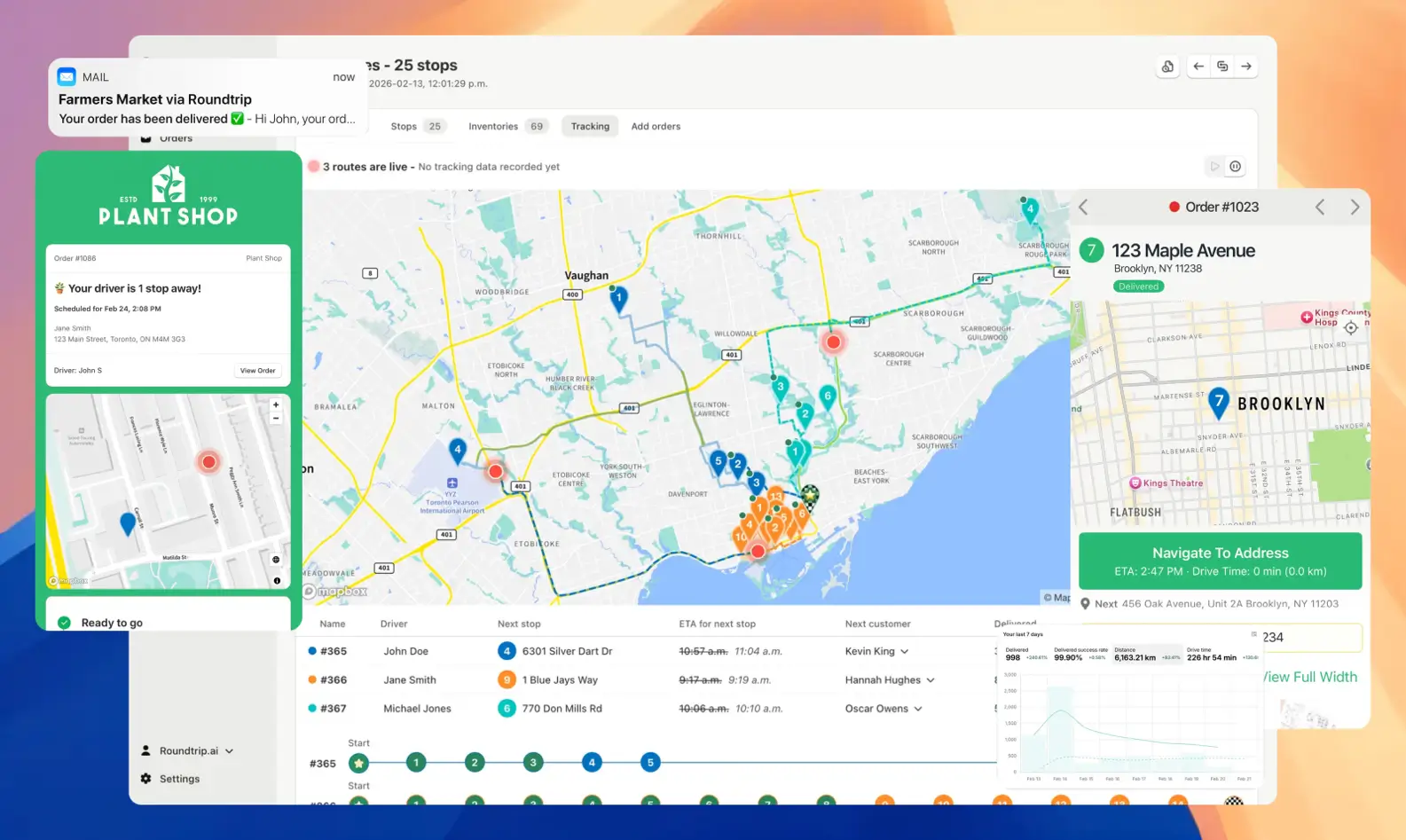
EasyRoutes brings these capabilities together for delivery-centric businesses of every size. From a single dashboard you can sync orders, auto-assign and dispatch optimized routes to drivers, monitor live GPS tracking, send branded customer notifications, and capture proof of delivery, with analytics to refine each day’s operation. Drivers get a dedicated mobile app with turn-by-turn navigation, and dispatchers can manage everything from the browser or on the go. For growing operations facing rising demand, that combination of automation, real-time visibility, and optimization is what keeps cost per delivery in check while protecting the customer experience.
Dispatch management is no longer a back-office afterthought; it is where delivery businesses win or lose on both cost and customer trust. The right software automates the busywork, squeezes waste out of every route, and gives you the visibility to keep promises you make to customers. Whether you are coordinating a handful of drivers or a large fleet, choosing a comprehensive, well-integrated platform like EasyRoutes is one of the highest-leverage moves you can make to streamline operations and grow.
Yes. If a scheduled start time is set, routes can be auto‑assigned and dispatched to the selected driver when created.
See: Auto‑Dispatch
Yes. Assign a driver and dispatch so the route appears in the EasyRoutes Delivery Driver mobile app, and a push notification is sent.
See: Dispatching Routes
Yes. Route Groups let you create, monitor, and dispatch multiple routes at once, and track all drivers within the group on one map view.
See: Route Groups
EasyRoutes optimizes deliveries using your selected orders, start & end locations, stop time intervals, time windows, and route limits. You can balance routes, respect capacities, and re‑optimize as plans change.
See: Route Options · EasyRoutes 101
Yes. Enable Real‑Time Tracking in Settings → Driver settings (Premium/Enterprise subscription plans) to view live driver location and progress in the Tracking tab of any route.
See: Real‑Time Tracking
Yes. Schedule routes for specific dates/times, and ETAs will be calculated for each stop on a route. These ETAs can be shared via customer tracking links and email/SMS delivery notifications.
Workflows save time and reduce errors by automating routine steps, like creating routes with new orders on delivery days, or auto-dispatching routes to assigned drivers, all based on custom scheduling that works for your business. This keeps operations efficient and customers informed.
Learn more: Workflows Guide
Dispatchers use the web app. EasyRoutes for Shopify is accessible inside the Shopify mobile app; EasyRoutes for Web runs in any mobile browser for on‑the‑go monitoring.
EasyRoutes is the AI-native delivery operations platform trusted by 5,000+ businesses across 75+ countries. Plan routes in seconds, dispatch drivers automatically, and delight your customers — from Shopify or any order source. Experience delivery operations that run themselves. Rated 4.9 stars and certified Built for Shopify.
⭐⭐⭐⭐⭐ 4.9 stars • Trusted by 5,000+ Businesses