How to Start a Furniture Delivery Business in 2026
By Joe SnyderLearn how to start a furniture delivery business in 2026: market data, licensing, vehicles, white glove service, route optimization, and winning customers.

Learn how to start a furniture delivery business in 2026: market data, licensing, vehicles, white glove service, route optimization, and winning customers.
Furniture is one of the most lucrative — and most demanding — categories in last-mile delivery. Pieces are heavy, awkward, expensive, and emotionally charged: a customer who waited weeks for a sectional will remember exactly how it arrived. That combination of high stakes and growing online demand is precisely why a well-run furniture delivery business can command premium rates that ordinary parcel work never will. The broader U.S. furniture market topped 250 billion dollars in 2025, and roughly 49% of furniture purchases now happen online — every one of which eventually needs to reach someone’s living room.
This guide walks you through the essential steps to launch a furniture delivery business in 2026, from market research and licensing to vehicles, hiring, service tiers, routing technology, and marketing. Whether you plan to contract with local furniture stores, serve e-commerce brands, or build a direct-to-consumer white glove operation, the fundamentals below will help you start on solid footing. If you want the broader playbook for any delivery niche first, our guide to starting and scaling a delivery business is a useful companion to this one.

The opportunity sits in the gap that parcel carriers can’t fill. Furniture, mattresses, and appliances move through a specialized channel the logistics industry calls big-and-bulky last-mile delivery — and it is large and growing. Industry researcher Armstrong & Associates pegs the U.S. third-party big-and-bulky last-mile market at roughly 10 billion dollars, while the narrower segment for last-mile delivery of large items is projected to grow from about 5.1 billion dollars in 2024 to 12.3 billion by 2033, a compound annual growth rate above 10%.
Online furniture sales alone generated roughly 73 billion dollars in the U.S. in 2025, and as retailers convert showrooms into local fulfillment hubs, more of that volume needs reliable regional delivery rather than freight that sits on a dock. The catch — and the reason customers will pay a specialist — is that bulky delivery is genuinely hard: large-item delivery and returns can absorb 15% to 20% of an order’s total cost, with damage rates on furniture running as high as 8%. Solve handling and damage better than the incumbents, and you have a defensible business.

Before buying a single truck, map your local market. Identify who actually needs you: independent furniture retailers without their own fleets, mattress and home-goods stores, interior designers, online brands shipping into your region, and individual customers buying secondhand or moving pieces between homes. Talk to a dozen of them and you’ll quickly learn what they’re paying now, what frustrates them, and where the service gaps are.
From there, write a business plan that states your target customer, your service area, your pricing model (per-stop, per-mile, per-item, or a flat white glove fee), and realistic financial projections covering vehicles, fuel, labor, insurance, and software. Decide early whether you’ll specialize — a narrow focus like bulky and oversized items often beats trying to deliver everything for everyone, because it lets you tune your trucks, crews, and pricing to one job and do it exceptionally well.
Furniture delivery is more regulated than a lot of first-time operators expect, mostly because of vehicle weight. Under federal rules, a commercial driver’s license is required for any single vehicle rated at 26,001 pounds GVWR or more. The good news: most box trucks used for furniture are deliberately spec’d just under that line, so a standard license is usually enough — but always confirm the rating on the door placard before you buy or lease.
Weight triggers federal registration, too. Any truck over 10,001 pounds GVWR operating across state lines for hire generally needs FMCSA operating authority, a USDOT number, and federal liability coverage. Beyond that, register your business entity, secure the local permits your city or county requires, and line up the right insurance stack: commercial auto, cargo coverage for the high-value goods you carry, general liability for in-home damage, and workers’ compensation for your crews. Because you’re carrying expensive items into people’s homes, under-insuring is one of the fastest ways to sink a young operation.
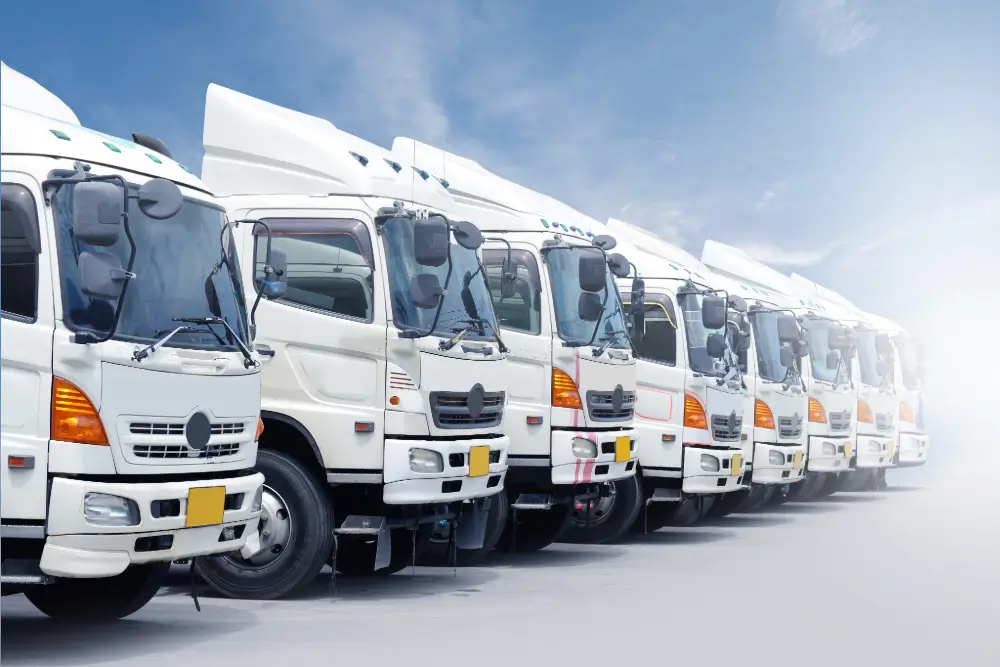
Your vehicle is your single biggest capital decision. Box trucks in the 16-to-26-foot range are the workhorses of furniture delivery — large enough for sectionals and dining sets, small enough to stay under the CDL threshold and maneuver suburban streets. Match capacity to your typical loads: a business doing daily multi-stop residential runs has very different needs from one moving a few oversized B2B pieces a day. As you scale past two or three trucks, fleet management software becomes worth the investment for maintenance scheduling, telematics, and keeping every vehicle road-ready.
Equip each truck for protection, not just transport. Moving blankets, shrink wrap, ratchet straps, furniture sliders, shoulder dollies, and a powered stair-climbing hand truck dramatically cut the damage and injury risk that eat into furniture margins. For routing and navigation, you’ll want purpose-built software rather than consumer GPS — more on that below — especially if you ever run heavier commercial vehicles, where route optimization for commercial fleets has to account for vehicle dimensions and access restrictions.

Furniture delivery is a two-person job, and the people you put in the truck are your brand. A driver who carefully shoulders a headboard through a narrow doorway, protects the floors, and cleans up the packaging is the difference between a five-star review and a damaged-goods claim. Hire for reliability and customer demeanor as much as for muscle, and look closely at driving records given the size of the vehicles involved. Our guide to hiring top delivery drivers covers where to source candidates and how to screen them.
Then train deliberately: safe lifting and stair technique, blanket-wrapping and securing loads, in-home placement and assembly, and the soft skills of communicating with a homeowner. Build the routing and tracking tools into that onboarding so drivers are fluent before their first solo route. Well-trained crews don’t just prevent damage — they protect the premium pricing your whole model depends on.
One decision shapes your pricing, hiring, and equipment more than any other: how far into the home you go. Threshold delivery drops items at the door or just inside it. White glove delivery carries pieces to the room of choice, assembles them, and removes the packaging — and customers will pay a real premium for it. The U.S. white glove delivery market was worth about 16.4 billion dollars in 2025 and is forecast to reach 21.5 billion by 2030, with furniture among its largest segments.
The economics favor going premium where you can. Retailers offering two-person, in-home delivery have seen roughly 51% fewer product returns and strong demand for installation, with 79% of customers preferring delivery that includes setup. Fewer returns plus higher fees is a powerful combination in a category where reverse logistics is brutally expensive. If you’re weighing the tradeoffs, our breakdown of whether white glove delivery is right for your business goes deeper on costs and pricing models.
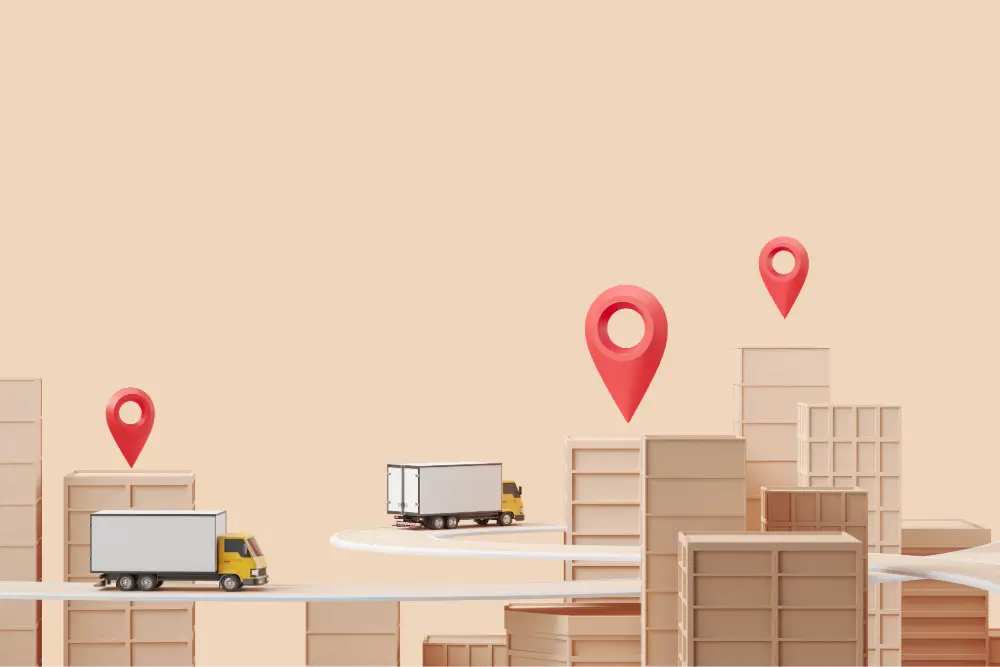
Routing is where furniture operations quietly win or lose money. Heavy vehicles burn expensive fuel, crews are paid by the hour, and a poorly sequenced day means fewer completed stops and more overtime. Planning routes by hand on a map or spreadsheet doesn’t scale past a handful of stops and ignores the constraints that matter most in this business — vehicle capacity, time windows, and the realities of getting a 26-foot truck down a tight street.
Purpose-built software like EasyRoutes plans and optimizes multi-stop routes in seconds, accounts for vehicle capacity and weight, balances stops evenly across multiple drivers, and even sequences multi-day delivery schedules — all critical when every truck holds only so many sofas. For the underlying principles, our guide to multi-stop route planning explains how optimization actually reduces mileage and labor cost. Tighter routes mean lower fuel spend, more deliveries per truck per day, and the accurate arrival windows customers increasingly demand.
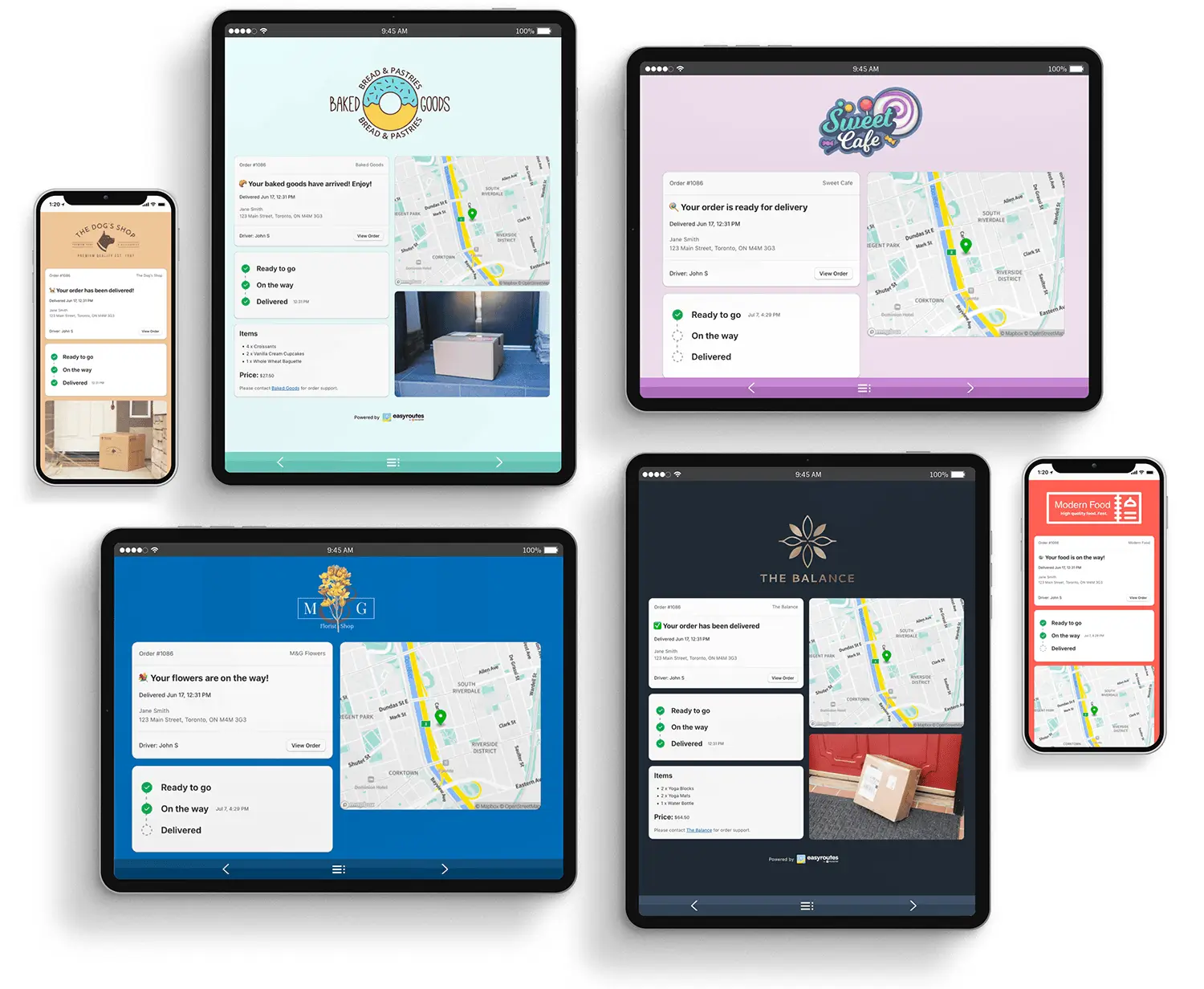
Modern customers expect to know when their furniture is coming, ideally to the hour. That expectation isn’t cosmetic: in recent last-mile research, 73% of shoppers said on-time arrival matters more to them than cheap shipping, and 61% will abandon a purchase when delivery options aren’t flexible. For a category where someone has to be home to receive a bulky item, communication is the product.
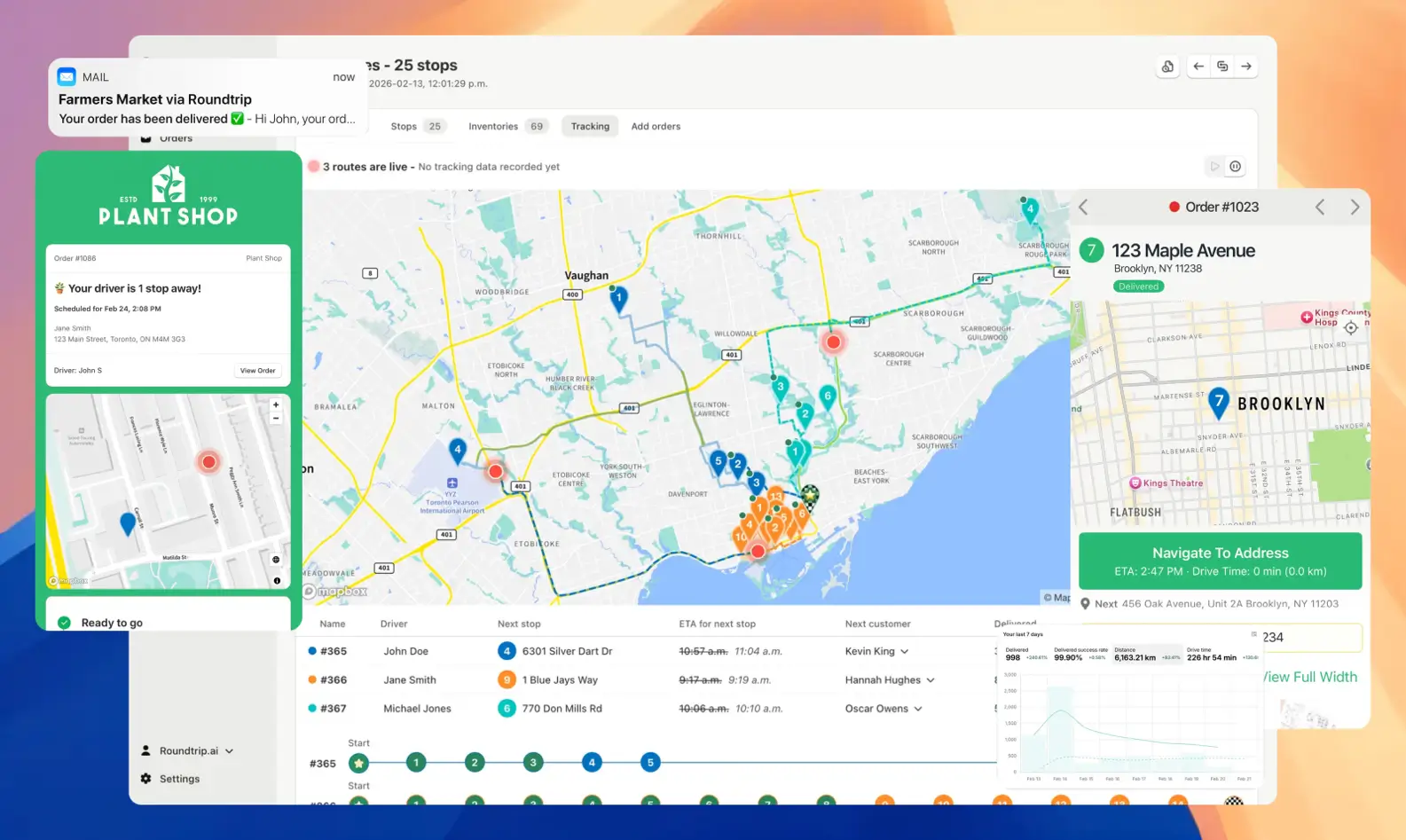
EasyRoutes handles this with automated SMS and email notifications, customer-facing real-time driver tracking with live ETAs, and the ability to alert customers proactively about delays. Equally important for furniture is proof of delivery — drivers can capture photos and signatures at the door, which protects you against damage disputes and chargebacks on high-ticket items. When a customer can watch the truck approach and you hold a timestamped photo of an undamaged delivery, you’ve eliminated two of the biggest sources of friction in the business.
With operations sound, growth comes from two channels: B2B partnerships and direct demand. Court local furniture stores, mattress shops, and online sellers who lack their own fleets — a single retail account can fill a truck’s schedule. For direct customers, a professional website, local SEO, Google Business Profile reviews, and targeted social ads build a steady inbound pipeline. The strongest asset, though, is the delivery experience itself: a careful, on-time, well-communicated delivery turns one-time buyers into referrals. Investing in a recognizable, trustworthy delivery business brand compounds that word of mouth over time.
Don’t underestimate retention. In a business with high customer-acquisition costs and expensive reverse logistics, the operators who win are the ones whose service is good enough that retailers renew contracts and homeowners request them by name. Reliability isn’t a cost center here — it’s your marketing.
Launching a furniture delivery business in 2026 means stepping into a large, growing, and underserved corner of last-mile logistics — one where careful handling and great communication are genuinely rare and richly rewarded. Nail the fundamentals: research your market, get your licensing and insurance right, equip and train your crews to protect both the furniture and your margins, choose a service level that fits your customers, and lean on technology to route efficiently and keep buyers informed every step of the way.
The businesses that thrive won’t be the cheapest — they’ll be the most reliable. If you’re ready to plan smarter routes, give customers live tracking and ETAs, and capture proof of delivery on every stop, EasyRoutes gives you the operational backbone to deliver furniture like a professional from day one.
Absolutely. Plan with item and weight limits to reflect the capacities of your fleet. Configure and assign Vehicle Profiles for an additional indicator for routes that have specific restrictions by vehicle.
Yes. EasyRoutes supports Vehicle Profiles you can configure and assign to routes. EasyRoutes also supports capacity planning via item or weight limits per route. Use these with other options (like time windows, or custom start/end locations) to keep plans realistic and drivers on schedule.
See: Vehicle Profiles · Max items/weight per route · Commercial/GPX Export
Yes. Schedule routes across multiple days with configured start times/locations and add an overnight driver break to maintain accurate ETAs.
See: Multi‑Day Scheduling
Yes. Enable Balance routes to distribute stops as evenly as possible across multiple routes/drivers while respecting other route constraints (like time windows, or item/weight limits).
See: Balance routes · How many routes?
Absolutely. Drivers can add photos, collect an e‑signature, and record notes at each stop; these appear in the route and customer tracking (if enabled).
See: Proof of Delivery
Yes. Require photos, e‑signature, and or a driver note individually before a stop can be marked Delivered or Attempted in the driver app.
See: Mandatory PoD
Yes. You can show proof of delivery (photos, e‑signature confirmation, and driver notes) on customer tracking pages for delivered or attempted stops. Enable this from EasyRoutes' Order Tracking settings.
Yes. On Premium/Enterprise plans you can display a live driver pin on tracking pages when the driver is 1–10 stops away.
Yes. Use the customizable Rescheduled notification (email/SMS) to explain delays, provide a new ETA/date, and include the tracking link.
Yes. EasyRoutes Premium and Enterprise plans support branded SMS notifications with usage‑based pricing per message segment. Configure templates and funding in Settings.
EasyRoutes is the AI-native delivery operations platform trusted by 5,000+ businesses across 75+ countries. Plan routes in seconds, dispatch drivers automatically, and delight your customers — from Shopify or any order source. Experience delivery operations that run themselves. Rated 4.9 stars and certified Built for Shopify.
⭐⭐⭐⭐⭐ 4.9 stars • Trusted by 5,000+ Businesses