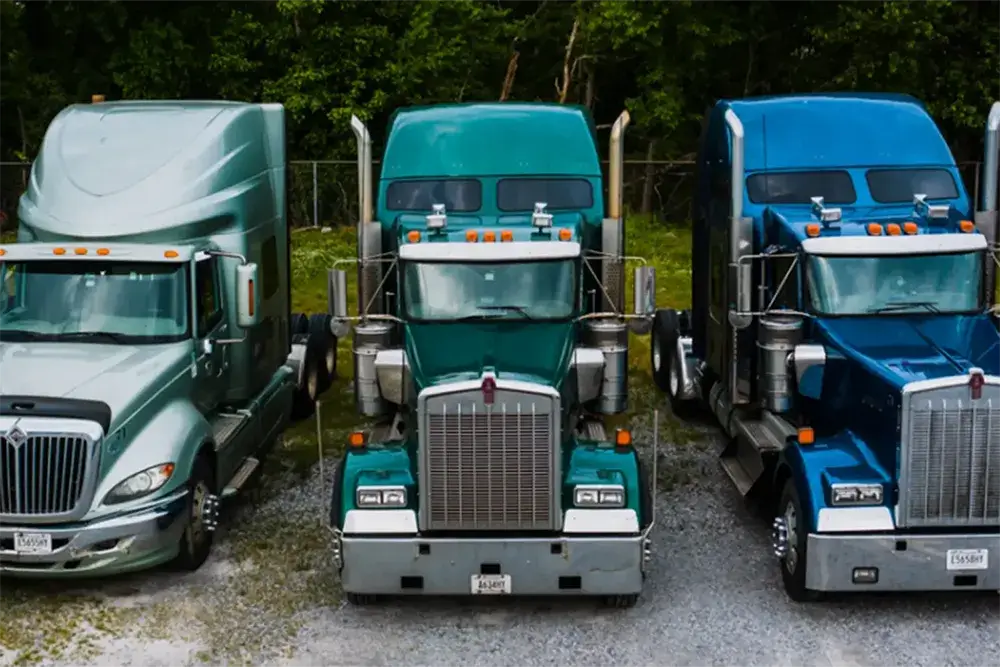
For any business that runs vehicles—couriers, restaurants, retailers, field-service teams—the fleet is both the engine of the operation and one of its biggest expenses. Fleet management software is what keeps that engine efficient: it pulls vehicle tracking, maintenance, dispatching, and route optimization into one system so managers can see and control everything from a single screen.
The category is growing fast. The global fleet management software market is projected to reach about $38 billion in 2026 and more than $150 billion by 2034, a roughly 19% annual growth rate fueled by e-commerce, tighter compliance rules, and AI-powered analytics. This guide explains what the software does, the features that matter, how GPS and maintenance fit in, what it takes to build and run a fleet, and how to choose the right platform.
What Is Fleet Management Software?
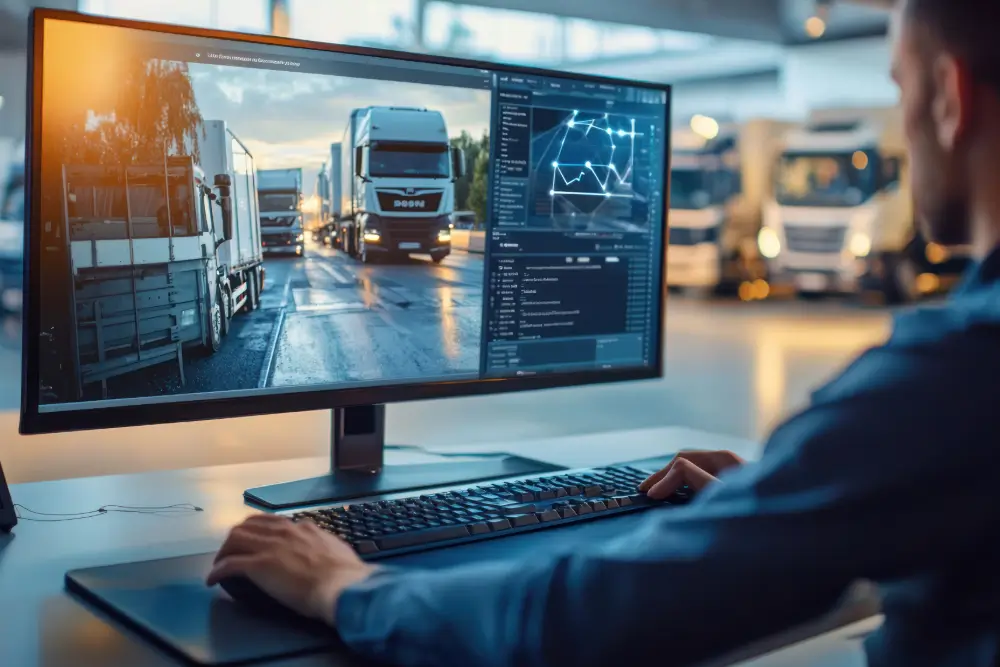
Fleet management is the management and optimization of a company’s vehicles across their entire life—from financing and purchase, through daily operation, to eventual resale. Fleet management software is the digital layer that coordinates all of it: vehicle tracking, maintenance scheduling, route planning, driver management, and compliance, in one place. It suits taxi and rental companies, logistics and courier operations, field-sales teams, and emergency services—essentially anyone who dispatches or delivers.
Businesses use these systems—often called fleet management systems, or an FMS—to track assets, monitor driver safety, and stay compliant with rules such as the Electronic Logging Device (ELD) mandate. Sensors and GPS report location, fuel level, speed, and engine fault codes in real time, giving managers a live picture of the fleet instead of an end-of-week guess.
Most modern platforms are cloud-based and priced per vehicle, which has put enterprise-grade capabilities within reach of small and mid-sized operators. You no longer need a server room or a dedicated IT team to run optimization, telematics, and reporting—a web dashboard and a driver app are enough to get started.
Why It Is Worth the Investment
A capable platform earns its keep in several ways:
- Task assignment and dispatch: Managers can assign stops, jobs, and routes to the right driver in seconds, instead of juggling phone calls and spreadsheets.
- Route optimization: A name and an address are not a plan. The software sequences stops around distance, time windows, traffic, and vehicle capacity so drivers take fewer detours and hit more deadlines.
- Lower fuel and labor costs: Accurate, optimized navigation means fewer wrong turns and less idling, which trims both fuel spend and overtime.
- One dashboard for everything: Customers, deliveries, drivers, and routes live on a single platform—orders come in, get assigned, and get completed without separate systems for each function.
- Simpler communication: When every task flows through one dashboard, accountability and visibility improve, and dispatchers, drivers, and customers stay in sync.
- Higher customer satisfaction: On-time deliveries and clear updates are the foundation of good service, and they directly grow repeat business.
- Analytics and reporting: Daily, weekly, and monthly reports turn raw activity into decisions—use them to track the delivery metrics that reveal where to improve.
The cost of not having this visibility shows up quickly. Unplanned vehicle downtime costs a fleet between $448 and $760 per day, per vehicle once lost productivity is included, and a single sidelined van ripples into missed deliveries and reshuffled schedules. Software that surfaces problems early and keeps vehicles productive protects revenue directly.
It helps on the people side, too. The American Trucking Associations estimates the industry will need to hire roughly 1.2 million new drivers over the next decade to keep pace with freight demand and retirements—so tools that reduce friction, balance workloads, and keep drivers satisfied are a retention advantage, not just an efficiency one.
Add those gains up and the math usually favors adoption: tighter routes lower fuel and overtime, predictive maintenance avoids emergency repairs, and better visibility cuts the failed deliveries that quietly erode margins. For most growing fleets, the question is less whether software pays off than how quickly.
Key Features to Look For

- Automated scheduling: Drag-and-drop scheduling and automatic task assignment cut the manual work of building daily routes, freeing managers for higher-value tasks.
- Up-to-date maps: Any tool that handles routing, optimization, or tracking needs current maps to verify addresses and reflect recent road changes.
- GPS tracking: Real-time location and delivery status, with traffic prediction and advanced routing, improve efficiency, accountability, and safety.
- Vehicle capacity and profiles: Strong platforms route around each vehicle’s size, weight, and load—and even refrigeration needs—so you never overfill a van or send a truck down an unsuitable road.
- Mobile access: A driver app keeps managers, drivers, and customers connected, enables two-way communication, and eliminates paperwork.
- Customer notifications: Automatic SMS and email updates tell customers when to expect a delivery, cutting failed attempts and support calls.
GPS and Telematics: The Tracking Layer

GPS is the backbone of fleet visibility. For drivers who need turn-by-turn help on the road, dedicated commercial navigators remain popular—Garmin’s dēzl OTR line, Rand McNally’s TND series, and the TomTom Trucker route around low bridges, weight limits, and narrow streets that consumer phone apps ignore.
For the business, though, the bigger win comes from telematics that feed the management platform directly. Pairing GPS with engine and driver-behavior data turns location dots into decisions—rerouting around congestion, flagging harsh braking, spotting fuel waste, and confirming that a vehicle is where it should be. Reliable driver and vehicle tracking is what makes the rest of an FMS—maintenance, safety, customer ETAs—accurate, so look for a system whose GPS layer integrates cleanly rather than living in a separate app.
Staying on Top of Fleet Maintenance
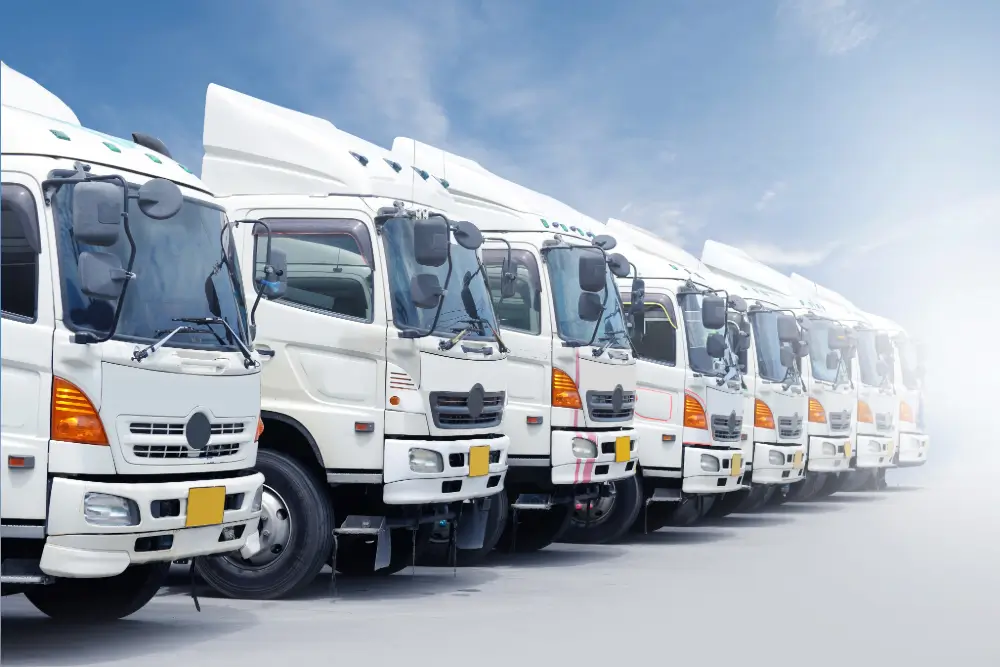
Your vehicles are the asset; maintenance keeps them earning. A proactive program prevents the breakdowns behind those downtime costs and extends vehicle life. A few practices matter most:
- Schedule preventive service: Set service intervals by mileage and manufacturer guidance, with reminders for oil changes, tire rotations, and brake checks. Even small improvements in maintenance planning can reduce downtime by around 20%.
- Use telematics for predictive maintenance: Real-time data on engine temperature, battery health, and tire pressure lets you service a vehicle exactly when it needs it, not on a rigid calendar.
- Make drivers your first line of defense: A standardized daily walk-around—tires, fluids, lights, leaks, and EV battery status—catches small issues before they become major repairs.
- Encourage efficient driving: Smooth acceleration and less idling reduce wear, lower accident risk, and save fuel; keeping tires properly inflated alone can improve fuel economy by up to 3%, and there are many more ways to cut fuel costs across a fleet.
- Optimize routes to reduce strain: Fewer unnecessary miles mean less wear, less fuel, and a longer-lived fleet—one of the quietest but most durable returns on routing software.
Route Planner vs. Fleet Management Platform
People often conflate the two, but they solve different problems. A route planner takes a list of stops and sequences them into the most efficient order—the heart of multi-stop route planning—optimizing around distance, traffic, and time windows to save fuel and improve the driver and customer experience. A fleet management platform is broader: it monitors the whole fleet in real time, tracks maintenance and compliance, manages driver safety, and controls the total cost of running the vehicles.
Which you need depends on scale. A larger fleet that requires cost control, maintenance oversight, and regulatory compliance leans toward full fleet management; a smaller operation focused on getting orders to the door efficiently may only need a strong route planner. Many delivery businesses want both, which is why the most useful tools combine route optimization for commercial fleets with live tracking in a single app.
Acquiring and Financing Your Fleet

Before any software matters, you need the right vehicles. Manufacturers take fleet sales seriously—U.S. commercial fleet sales reached nearly 782,000 vehicles in 2025, with commercial truck volume up 9% year over year—so dedicated fleet programs and pricing are widely available. You generally qualify for fleet sales once you have about 15 vehicles registered to your business, or have purchased several new vehicles in the past year.
Choose vehicles around the job: cargo space, weight capacity, and total cost of ownership—including fuel and maintenance—rather than sticker price alone, which is why many fleets now weigh hybrid or electric options. When you negotiate, focus on the invoice price, ask the dealer to waive regional advertising and dealer fees, and capture any manufacturer rebates and sales bonuses.
Finally, decide whether to buy or lease. Buying means no mileage limits, depreciation tax benefits, and equity in the vehicles; leasing means easier, more frequent replacement, lower monthly payments, and treatment as an operating cost rather than a capital investment. Your accountant can help you model which fits your cash flow.
How to Choose the Right Software
- The right features: Every package lists a long menu of capabilities; confirm the ones your operation actually needs are all present before you commit.
- Compatibility: A new tool has to work with the systems you already run—replacing them because of a poor fit is costly and disruptive.
- Comprehensiveness: Good software folds route planning, GPS tracking, and maintenance into one solution rather than forcing you to stitch together point tools.
- Ease of use: Drivers, dispatchers, and field technicians should all find it quick and intuitive, with fast response times.
- Fair pricing: Fleet software is rarely cheap, so look for a tool that is easy to use, integrates with your stack, and fits your budget.
If your operation is primarily local or last-mile delivery, you may not need a heavy enterprise FMS at all—focused delivery management software that includes routing, tracking, and proof of delivery often covers the essentials at a fraction of the cost.
EasyRoutes for Delivery Fleets
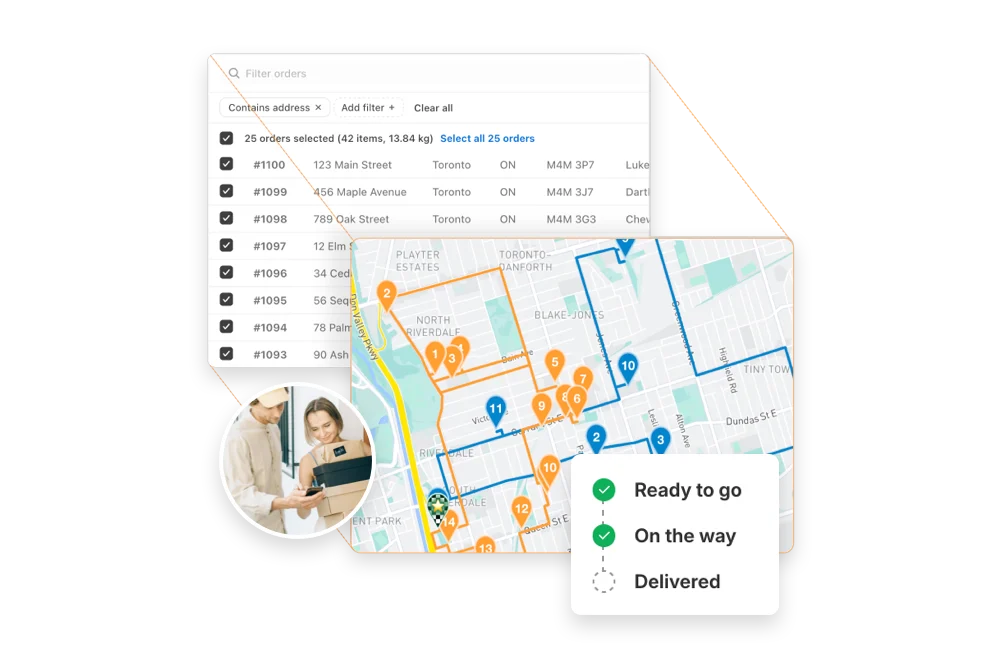
EasyRoutes turns your Shopify orders into optimized, trackable delivery routes in just a few clicks—no spreadsheet imports required. You can plan multi-stop routes around vehicle capacity and time windows, assign and dispatch drivers, keep customers informed with tracking pages and delivery notifications, and collect proof of delivery, with everything synced back to your Shopify orders.
For delivery-focused fleets, it brings the parts of fleet management that move the needle—routing, optimization, dispatch, and tracking—into a single tool your team can actually run on day one.
Final Thoughts
Fleet management software has shifted from a nice-to-have to an operational necessity. It lets a small team plan and optimize routes, communicate with drivers and customers, track vehicles, schedule maintenance, and make data-backed decisions from one cloud-based dashboard—work that is nearly impossible to do well by hand at any real scale.
There is no single best platform, only the one that matches your fleet’s size, vehicles, and goals. Map your must-have features, confirm it fits your existing systems and budget, and prioritize ease of use so the whole team adopts it.
To see how EasyRoutes can make your fleet more efficient at any size, visit the EasyRoutes website, or start your 14-day free trial of EasyRoutes today.