How to Reduce Packaging Costs Without Cutting Quality
By Joe SnyderCut packaging costs without sacrificing quality: 2026 strategies for materials, dimensional-weight shipping, labor, and sustainable packaging.

Cut packaging costs without sacrificing quality: 2026 strategies for materials, dimensional-weight shipping, labor, and sustainable packaging.
Packaging sits at the intersection of three rising cost pressures: more expensive raw materials, carriers that increasingly bill for the air inside your boxes, and labor that grows scarcer and pricier every year. For delivery and e-commerce businesses, those costs add up fast — and they are easy to overlook because they are spread across procurement, the warehouse floor, and the carrier invoice rather than landing in one obvious place.
The good news is that packaging is also one of the most controllable line items you have. With a few deliberate changes to materials, design, dimensions, and process, most operations can trim packaging spend meaningfully without sacrificing product protection or the customer experience. This guide breaks down the five areas where packaging costs hide and the practical, current strategies that bring each one down — then shows how smarter delivery carries those savings all the way to the doorstep.

Materials are usually the single largest slice of the packaging budget, and they have been climbing. Heading into 2025, Packaging Corporation of America and other major producers pushed through containerboard price increases in the range of $60 to $80 per metric ton, with one industry forecast projecting double-digit annual price growth for the grade through late 2026. When the box itself costs more, every inefficiency in how you buy and use materials is amplified — which is exactly why the first step is to audit what you spend today, by material and by SKU, before changing anything.
Three moves consistently lower material spend. First, negotiate on volume. Bulk purchasing and vendor negotiation reward businesses that can forecast their needs; committing to predictable order quantities and consolidating purchases with fewer suppliers typically unlocks per-unit discounts that smaller, reactive orders never see.
Second, rethink the material mix. Swapping conventional plastics and heavy fillers for recycled content, paper-based void fill, or biodegradable alternatives can lower cost per shipment, and a just-in-time approach to inventory keeps you from over-ordering material that ties up cash and warehouse space.
Third, design out the excess. Streamlining a box so it uses less board or removes an unnecessary layer cuts material cost directly and tends to shrink the package, which pays off again at the shipping stage. Standardizing on a small, well-chosen set of box sizes — rather than letting each product team improvise — also reduces waste and makes bulk pricing easier to negotiate. If you want to see how material decisions ripple through the rest of your operation, our breakdown of transportation costs for delivery businesses maps the connections.
There is a glimmer of relief on the horizon: North American corrugated prices softened modestly in early 2026 as post-holiday demand cooled and mill inventories recovered. But pricing in this market is cyclical and quick to rebound with e-commerce volume, so the businesses that come out ahead are the ones that build efficiency into their packaging now rather than waiting for input costs to fall on their own. Treat any dip as an opportunity to lock in favorable supplier terms and standardize your box program — not as a reason to let material discipline slip.
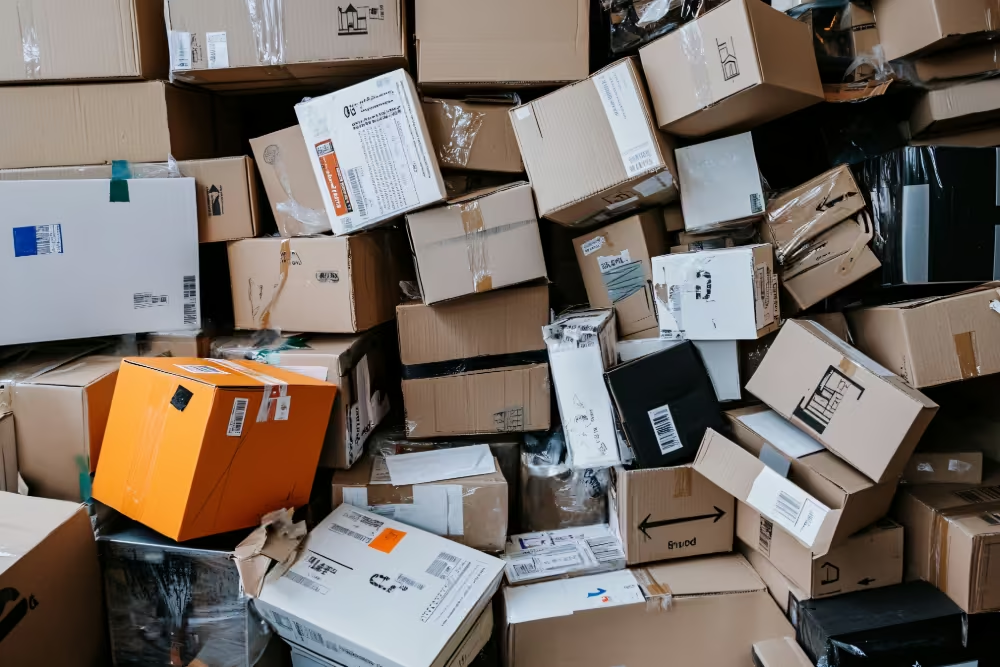
Shipping is where oversized packaging quietly drains margin. Nearly all major carriers price parcels on dimensional (DIM) weight — a figure calculated from the package's volume rather than its scale weight — and they bill on whichever number is higher. FedEx and UPS divide length by width by height (in inches) by a divisor of 139 to reach that figure, so a light but bulky box can cost far more to ship than its weight alone would suggest. In practice, you are often paying to ship air.
The stakes climbed in 2025. Effective August 18, 2025, FedEx and UPS began rounding every fractional dimension up to the next whole inch before applying the DIM formula, which inflates billable volume on packages that were previously sized right to the edge of a pricing tier. According to one fulfillment analysis, right-sizing packaging and eliminating excess void fill typically cuts shipping spend by 20 to 30% — which makes package dimensions the single biggest lever most shippers have, and one that grew more valuable the moment that rounding rule took effect.
To capture those savings, match the box to the product. Measure your parcels accurately at pack-out, then minimize empty space with appropriately sized or custom-fit packaging; for higher volumes, adjustable or on-demand box machines build a right-sized carton for each item and improve the unboxing experience at the same time.
Substituting lighter materials — recycled paper fillers or air pillows in place of heavy molded inserts — trims the weight-based portion of the bill, and staying alert to peak-season surcharges, which now run from late September into mid-January, helps you time inventory and shipments around the most expensive weeks. Lighter, denser packages also burn less fuel in transit, which is one reason packaging strategy belongs in the same conversation as cutting fuel costs across your fleet. For a fuller picture of how these charges compound on the final leg, see our guide to last-mile delivery costs.
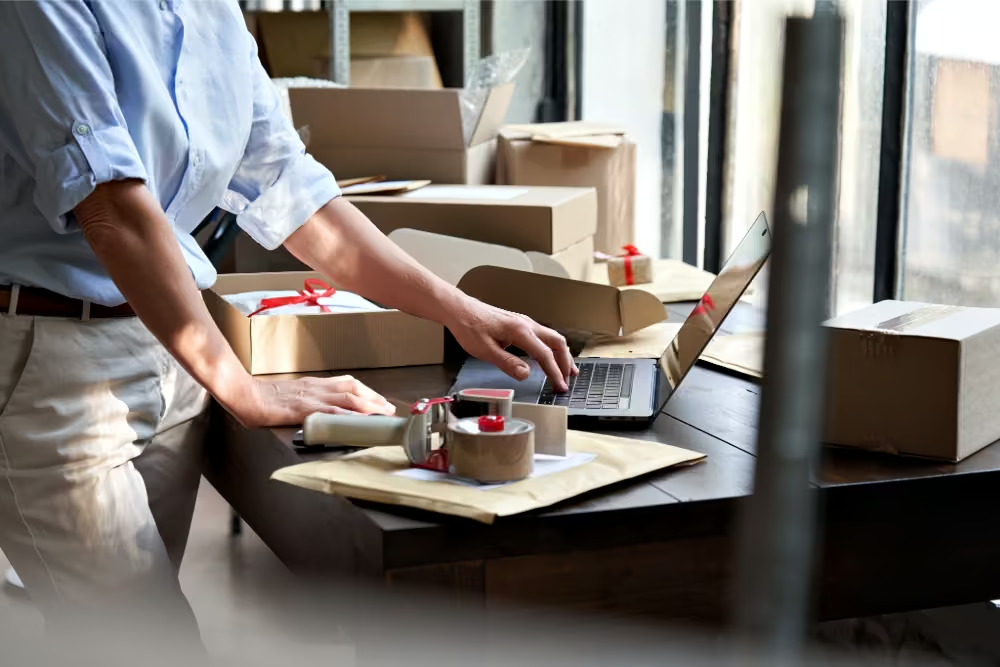
Labor and handling costs often go unnoticed because they hide in the time it takes to prepare each order rather than appearing on a material invoice. With warehouse wages rising sharply — outpacing average wage growth across the economy — that hidden cost is growing, and it is one reason investment in end-of-line packaging automation keeps accelerating as operations look to protect margin against an expensive, hard-to-staff labor market.
Automating repetitive packaging steps — labeling, sorting, taping, and wrapping — is the most direct fix. Facilities that automate their highest-volume zones commonly report cutting manual costs by 20 to 30%, freeing workers for higher-value tasks and reducing the errors that trigger costly re-ships. You do not need a fully automated line to benefit, though. Redesigning the warehouse layout around dedicated packing stations, with materials and supplies within arm's reach, shortens the travel time baked into every single order. Slotting fast-moving items closer to pack-out and kitting frequently bundled products in advance both shave seconds that compound across thousands of shipments.
Cross-training staff so they can flex between picking, packing, and handling prevents the bottlenecks that inflate labor cost during peak periods, and even disciplined process standardization — one agreed way to pack each product type — reduces variation, rework, and waste. These operational fundamentals sit alongside the broader order fulfillment process that determines how efficiently goods move from shelf to doorstep.
Disposal and recycling carry real costs, and the volume involved is staggering: the U.S. Environmental Protection Agency reports that containers and packaging account for about 82 million tons of municipal solid waste — roughly 28% of the total. Cutting the material you use and choosing recyclable or reusable options reduces both your environmental footprint and your waste-management spend, and corrugated cardboard happens to be one of the most readily recycled materials in the entire stream. With extended-producer-responsibility rules expanding in several states, designing for recyclability is also becoming a way to get ahead of future compliance costs.
Sustainable packaging is no longer only a cost question; it is a sales driver. In Shorr Packaging's 2025 consumer survey, 90% of shoppers said they are more likely to buy from brands using eco-friendly packaging, 43% are willing to pay extra for it, and 39% have switched to a competitor specifically because it offered more sustainable packaging. That demand makes the cost case and the brand case point in the same direction — the cheaper, leaner package is frequently the one customers prefer.
Several approaches deliver on both fronts. Biodegradable materials such as cornstarch, mushroom-based packaging, or seaweed films decompose quickly and can be molded to fit a product. Reusable formats — refillable containers or sturdy multi-use tins — turn packaging into a repeat touchpoint with customers rather than landfill. Minimalist design strips out unnecessary layers, lowering material cost and simplifying recycling at once, while often making the product look more premium on arrival.
For food brands, even edible or plantable packaging is moving from novelty to talking point. Sourcing materials locally trims the emissions and freight tied to your supply chain, and shifting to digital receipts removes paper from the equation entirely. Each of these fits naturally into a wider commitment to green transportation and sustainable delivery.

The space packaging occupies before it is ever used carries its own cost. Bulky pre-formed boxes and single-purpose materials consume warehouse square footage that could otherwise hold revenue-generating inventory, and that space is rarely free. Designing packaging to ship and store flat, and favoring collapsible or multi-use formats, lets you keep more product in the same footprint and reduces the need to lease additional storage as you grow. Compact, stackable packaging also improves how efficiently goods load into vehicles, so a smarter storage decision quietly lowers transportation cost as well. It is the same principle that runs through this entire guide: a smaller, better-designed package pays off more than once — in storage, in handling, and again on the road.
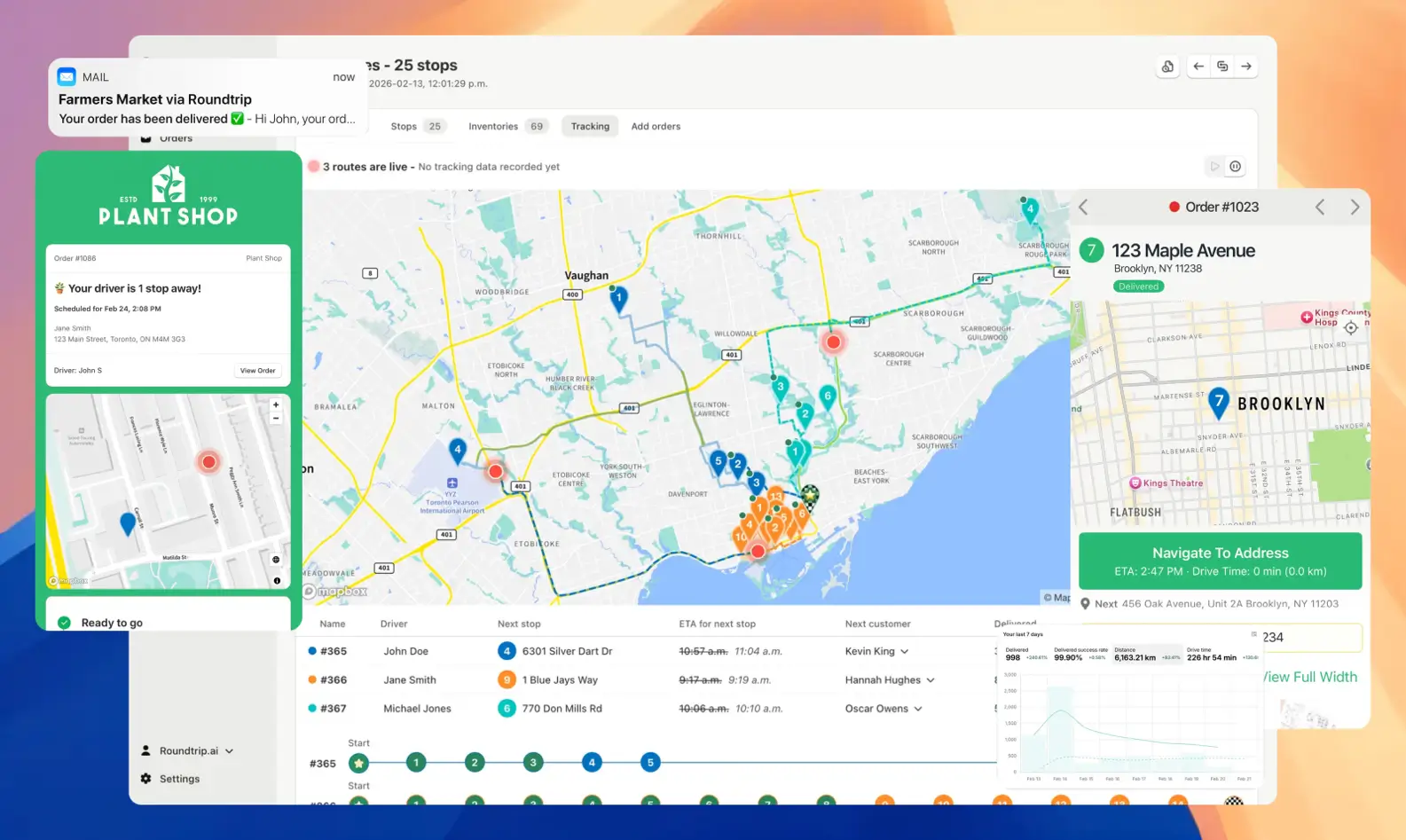
Right-sizing your packaging only pays off fully if the savings carry through to the delivery itself, and that is where EasyRoutes comes in. Smaller, denser packages let you fit more orders per vehicle, and EasyRoutes builds optimized, capacity-aware routes — accounting for vehicle type and load limits — that turn that density into fewer miles and lower fuel use per delivery. It also plans multi-day and multi-stop routes so growing order volumes stay efficient rather than chaotic. Real-time tracking, shareable ETAs, and automated customer notifications protect the experience your packaging is meant to deliver, cutting the failed-delivery re-shipments that waste both materials and labor, while proof-of-delivery tools close the loop on every drop-off. For teams weighing the broader tooling decision, our overview of delivery management software shows where route optimization fits in the wider stack.
Reducing packaging costs does not mean cutting corners on quality or protection. It means attacking each cost layer deliberately: auditing and negotiating smarter on materials, right-sizing to beat dimensional-weight charges, automating the handling that eats labor hours, and choosing sustainable options that lower waste while winning over customers. Done together, these changes compound — a smaller, lighter, better-designed package costs less to buy, store, handle, and ship, all at once. Pair that discipline with optimized delivery and you protect your margin from the loading dock to the final doorstep. Ready to turn packaging savings into delivery savings? Visit the EasyRoutes website to see how smarter routing helps your business run leaner and greener, and start your 14-day free trial today.
Yes. EasyRoutes supports Vehicle Profiles you can configure and assign to routes. EasyRoutes also supports capacity planning via item or weight limits per route. Use these with other options (like time windows, or custom start/end locations) to keep plans realistic and drivers on schedule.
See: Vehicle Profiles · Max items/weight per route · Commercial/GPX Export
Absolutely. Plan with item and weight limits to reflect the capacities of your fleet. Configure and assign Vehicle Profiles for an additional indicator for routes that have specific restrictions by vehicle.
EasyRoutes optimizes deliveries using your selected orders, start & end locations, stop time intervals, time windows, and route limits. You can balance routes, respect capacities, and re‑optimize as plans change.
See: Route Options · EasyRoutes 101
Yes. Print Packing labels from the route’s Print menu. Choose one label per stop or per item (package), then customize variables and size. Available in both EasyRoutes for Shopify and Web (paid plans).
See: Label Printing
Yes. Schedule routes across multiple days with configured start times/locations and add an overnight driver break to maintain accurate ETAs.
See: Multi‑Day Scheduling
Yes. Routes display estimated distance and drive time after optimization, and update automatically when you add/remove stops and re‑optimize.
See: Route Mileage
EasyRoutes is the AI-native delivery operations platform trusted by 5,000+ businesses across 75+ countries. Plan routes in seconds, dispatch drivers automatically, and delight your customers — from Shopify or any order source. Experience delivery operations that run themselves. Rated 4.9 stars and certified Built for Shopify.
⭐⭐⭐⭐⭐ 4.9 stars • Trusted by 5,000+ Businesses