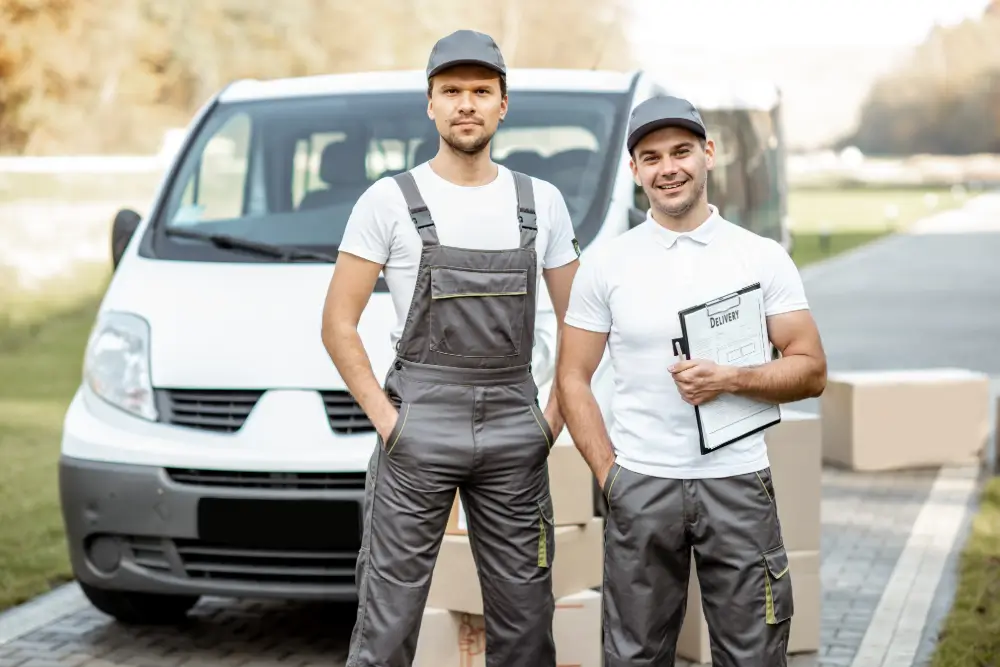
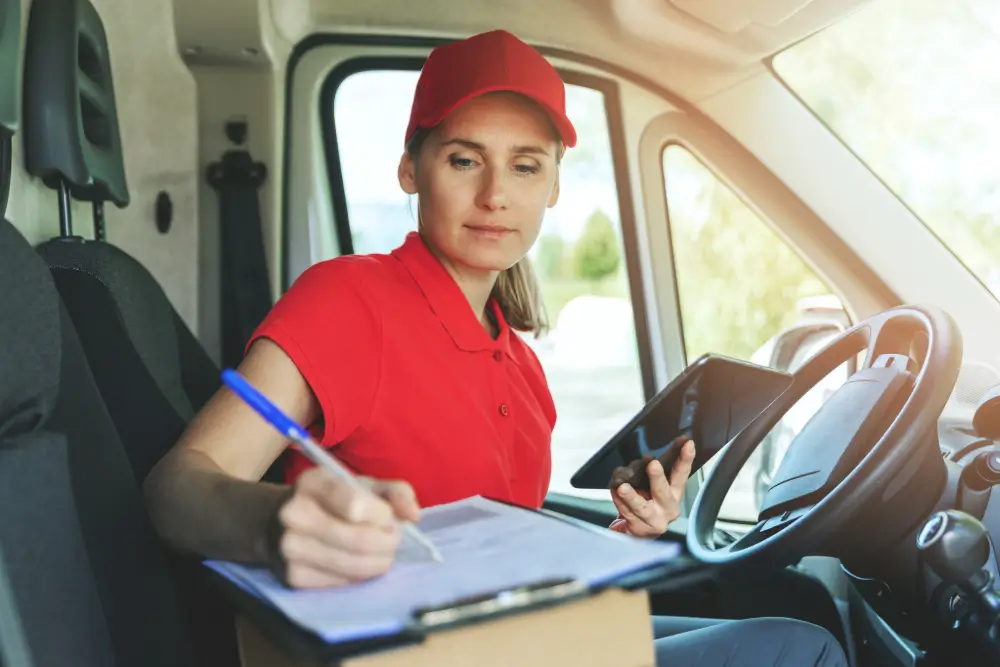
A complete guide to training and retaining great delivery drivers in 2026: what to look for, how to write the job description, interview questions, training strategies, compensation, and retention.
Your delivery drivers are the face of your business. Every interaction they have with a customer shapes your brand's reputation, and every route they run impacts your bottom line. Getting the right people behind the wheel — and giving them the tools and training to succeed — is one of the highest-leverage investments a delivery business can make.
This guide covers the complete lifecycle of building and managing a delivery driver team: the qualities to look for, how to write a job description that attracts the right candidates, interview questions that reveal what matters, training strategies that actually work, and compensation approaches that help you retain your best performers.
Table of Contents
What Makes a Great Delivery Driver?
Writing a Job Description That Attracts the Right Candidates
Interview Questions That Reveal What Matters
Training Your Delivery Team for Success
Structuring Competitive Driver Compensation
Retaining Your Best Drivers
Equipping Your Team with the Right Technology
Conclusion
What Makes a Great Delivery Driver?
Before you write a job posting or sit down for an interview, you need to know exactly what you're looking for. The best delivery drivers share a specific set of qualities that go well beyond the ability to operate a vehicle:
Customer service orientation. Drivers are your brand's last-mile representative. A friendly greeting, careful package handling, and a willingness to accommodate customer requests ("please leave it by the side door") directly impact customer satisfaction, reviews, and repeat purchases. Research shows that a significant percentage of consumers will stop shopping with a business after just one poor delivery experience.
Safe, efficient driving. Speed matters, but safety matters more. The best drivers balance punctuality with responsible driving — maintaining focus during long shifts, following traffic laws, and avoiding the road rage and risk-taking that time pressure can encourage.
Organizational skills. Managing multiple deliveries with varying time windows, keeping the vehicle tidy and packages sorted, and handling paperwork or digital records all require a level of organization that directly impacts efficiency. Disorganized drivers waste time, miss stops, and create problems that ripple through the rest of the operation.
Problem-solving ability. Flat tires, incorrect addresses, closed roads, unavailable customers — unexpected situations are a daily occurrence in delivery work. Drivers who can think on their feet, adapt to changing circumstances, and resolve issues without escalating them are far more valuable than those who freeze when things don't go to plan.
Communication skills. Clear, calm communication with dispatchers, customers, and team members prevents misunderstandings and defuses tense situations. Whether it's reporting an issue, updating a customer on a delay, or confirming a delivery instruction, communication is a core competency — not a soft skill.
Technical proficiency. Modern delivery operations run on software — route planning, order tracking, proof of delivery, customer notifications. Drivers don't need to be engineers, but they need to be comfortable using a smartphone app, following digital route instructions, and capturing delivery confirmation data. Willingness to learn new tools is just as important as existing technical ability.
Physical fitness. Delivery work is physically demanding. Drivers lift packages, climb stairs, walk significant distances, and spend long hours alternating between sitting and moving. Setting clear physical requirements in your job description protects both the driver and the business.
Writing a Job Description That Attracts the Right Candidates
Your job description is often the first impression a potential driver has of your company. A well-crafted posting does the filtering work for you by being specific, honest, and appealing.
Lead with what makes your company worth working for. Competitive pay, flexible schedules, a supportive team culture, modern technology — whatever your genuine advantages are, put them front and center. Drivers have options in 2026, and the best candidates are choosing between opportunities.
Be specific about responsibilities. Go beyond "deliver packages." List the core duties: loading vehicles in delivery sequence, following optimized routes using the company's delivery management software, capturing proof of delivery (photos, signatures), communicating with customers via the driver app, maintaining vehicle cleanliness and reporting maintenance needs, and handling returns or failed delivery attempts.
State requirements clearly. Include valid driver's license requirements, minimum driving record standards, physical requirements (e.g., ability to lift 50lbs regularly), availability expectations, and whether a personal vehicle is required. Being upfront prevents wasted time for both parties.
Highlight technology and tools. Mention the specific tools your team uses — like EasyRoutes for route optimization and delivery management. Drivers increasingly evaluate potential employers based on the quality of the tools provided. Modern, user-friendly technology signals a professional operation and attracts higher-caliber candidates.
Include compensation details. Vague pay descriptions (“competitive salary”) lose applicants. Specify the hourly rate or salary range, tip structure, bonus opportunities, benefits, and any mileage or vehicle reimbursement. Transparency attracts serious candidates and sets clear expectations.
Interview Questions That Reveal What Matters
The interview is where you move beyond the resume to assess whether a candidate has the judgment, temperament, and skills to represent your business on the road. Here are the questions that matter most and what to listen for:
"Can you describe your previous delivery experience?" Listen for specifics — types of products delivered, geographic areas covered, challenges faced, and how they managed time. Vague answers suggest limited real experience.
"How do you ensure timely deliveries?" Strong candidates mention route planning, time management strategies, knowledge of local traffic patterns, and familiarity with technology tools. Candidates who only reference "driving faster" are a red flag.
"What would you do if you were running late on a delivery?" Look for a proactive approach: communicating with the customer or dispatcher, assessing whether the route can be adjusted, and prioritizing transparency over hoping no one notices.
"How do you handle unexpected situations on the road?" This reveals composure and adaptability. The best answers describe specific situations — a vehicle breakdown, a closed road, a wrong address — and the practical steps taken to resolve them.
"Are you familiar with route planning tools?" Candidates with experience using delivery management software or route optimization apps can contribute immediately. Those without experience but who express genuine willingness to learn are also strong candidates — the tools are intuitive, and the learning curve is short.
"Can you give an example of handling a difficult customer?" This tests emotional intelligence. Look for empathy, patience, and a solution-oriented mindset. Drivers who describe escalating conflicts or blaming the customer are unlikely to represent your brand well.
"What steps do you take for vehicle safety and maintenance?" Responsible drivers discuss routine checks — tire pressure, oil, brakes — and the importance of reporting issues promptly rather than waiting for a breakdown.
Before the interview, review each candidate's driving record. During the process, ask for references and follow up on them — a candidate's past colleagues can reveal patterns that a single interview cannot.
Training Your Delivery Team for Success
Hiring the right person is only half the equation. Training transforms a promising candidate into a reliable, high-performing driver. Focus on four key areas:
Customer service training
Drivers must understand that they're not just delivering packages — they're shaping customer perception of your entire brand. Include role-playing scenarios in your training: a customer who's upset about a late delivery, a recipient who gives confusing instructions, a situation where a package appears damaged. Teach drivers to stay calm, communicate clearly, and escalate to management rather than attempting to resolve complex complaints on the spot.
Emphasize that small touches matter: a friendly greeting, careful placement of packages, and a quick knock or doorbell ring. These cost nothing but significantly impact how customers perceive your service.
Software and technology training
Ensure every driver is fully comfortable with your delivery management platform before their first solo shift. For businesses using EasyRoutes, training should cover: accessing and following the optimized route in the driver app, marking orders as delivered or attempted, capturing proof of delivery (photos, e-signatures, delivery notes), understanding how customer notifications are triggered, and handling mid-route changes pushed by the dispatcher.
Keep the training practical — have new drivers complete a test route using the actual app before sending them out with real orders. Five minutes of hands-on practice prevents a day of frustration on the road.
Safety training
Cover defensive driving techniques, distraction avoidance (no phone use while driving), handling adverse weather conditions, collision avoidance, and ergonomic lifting and loading practices. Use real-time GPS tracking to monitor driving behavior and provide constructive feedback when needed — not as surveillance, but as a coaching tool.
Driver well-being is equally important. Ensure your schedules allow for adequate rest and breaks. EasyRoutes supports this with a Time per Stop feature that lets you automatically build breaks into routes based on duration, number of stops, or total shift length. Fatigued drivers are unsafe drivers.
Loading and handling training
Teach drivers to load packages in delivery sequence (matching the optimized route), secure fragile items, avoid stacking heavy packages on lighter ones, and minimize shifting during transit. These habits significantly reduce damage claims and improve customer satisfaction. Consider having experienced drivers demonstrate best practices during onboarding rather than relying solely on documentation.
Structuring Competitive Driver Compensation
In a competitive labor market, compensation is the primary tool for attracting and retaining qualified drivers. Here's how to structure it effectively:
Understand the market. As of early 2026, the average delivery driver salary in the U.S. is approximately $51,000 per year ($25/hour) according to Glassdoor, with the typical range falling between $42,000 and $63,000. Driver salaries have risen roughly 21% over the past five years. If your pay is below market, your best candidates will go elsewhere — and your existing drivers will follow.
Choose the right pay structure. Hourly wages provide stability and are preferred by most full-time drivers. Per-delivery or per-mile rates incentivize volume but can encourage unsafe speed. Commission-based models work for specialized or high-value deliveries. Most businesses find that a competitive hourly base plus performance bonuses strikes the best balance between fairness and motivation.
Don't underestimate tips and bonuses. For customer-facing delivery roles, tips can represent a significant portion of total compensation. Create conditions that maximize tipping potential — excellent customer service training, accurate ETAs, and proactive delivery notifications all improve the customer's experience and, by extension, their generosity. Performance bonuses for on-time completion rates, low damage rates, or positive customer feedback reward the behaviors you want to reinforce.
Offer meaningful benefits. Beyond base pay, benefits differentiate you from gig platforms. Health insurance, retirement contributions, paid time off, flexible scheduling, and vehicle maintenance allowances all factor into a driver's decision to stay. Even smaller gestures — fuel cards, uniform allowances, or wellness stipends — signal that you value your team.
Be transparent. Clearly communicate the full compensation package during hiring: base pay, tip structure, bonus criteria, benefits, and any mileage or vehicle reimbursements. Ambiguity breeds distrust; transparency builds loyalty.
Retaining Your Best Drivers
Driver turnover is expensive — recruiting, training, and the productivity loss during onboarding add up quickly. Retaining your top performers requires ongoing investment beyond the initial hire:
Provide great tools. Nothing frustrates a good driver more than bad technology. Manual route planning, outdated dispatch systems, or clunky apps waste their time and energy. Investing in modern delivery management tools like EasyRoutes directly improves driver satisfaction by making their daily work smoother and more efficient.
Listen and respond. Create channels for driver feedback — regular check-ins, anonymous surveys, or a simple open-door policy. Drivers on the road see inefficiencies, customer pain points, and process gaps that management misses. Acting on their input improves operations and makes drivers feel valued.
Recognize and reward performance. Public recognition, driver-of-the-month programs, and performance-based raises all reinforce the message that excellent work is noticed. Use delivery analytics to identify top performers objectively — on-time rates, completion rates, customer ratings, and POD compliance all provide data-driven grounds for recognition.
Offer growth paths. Not every driver wants to be a driver forever. Clear paths to team lead, dispatcher, route manager, or operations roles give ambitious drivers a reason to stay and grow within your organization rather than leaving for a marginally better hourly rate elsewhere.
Respect work-life balance. Flexible scheduling, reasonable shift lengths, adequate breaks, and advance notice of schedule changes all contribute to long-term retention. Drivers who feel respected are drivers who stay.
Equipping Your Team with the Right Technology
The technology you provide your drivers isn't just an operational tool — it's a retention tool, a training tool, and a competitive advantage.
EasyRoutes gives your delivery team everything they need to perform at their best: AI-optimized routes that minimize mileage and maximize deliveries per shift, a driver app with turn-by-turn navigation and stop-by-stop order details, built-in proof of delivery capture (photos, e-signatures, delivery notes), automated customer notifications with real-time tracking, and delivery analytics that help you monitor performance and continuously improve.
For your drivers, this means less time planning and more time delivering. For your business, it means lower costs, higher capacity, better customer satisfaction, and drivers who actually want to keep working for you.
Conclusion
Building a great delivery team isn't about finding perfect candidates — it's about hiring people with the right qualities, training them thoroughly, compensating them fairly, equipping them with excellent tools, and treating them as the essential professionals they are.
In 2026, the businesses that win the last mile are the ones that invest in their drivers as seriously as they invest in their products and marketing. Your drivers are your brand on the road — make sure they have everything they need to represent it well.
Ready to empower your delivery team? EasyRoutes provides everything your drivers and dispatchers need — optimized routes, real-time tracking, proof of delivery, and customer notifications. Start your 14-day free trial today.
Yes. Add scheduled driver breaks to new or existing route, and EasyRoutes will insert a break stop while updating downstream ETAs and total route time.
Yes. Enable Real‑Time Tracking in Settings → Driver settings (Premium/Enterprise subscription plans) to view live driver location and progress in the Tracking tab of any route.
EasyRoutes is the AI-native delivery operations platform trusted by 5,000+ businesses across 75+ countries. Plan routes in seconds, dispatch drivers automatically, and delight your customers — from Shopify or any order source. Experience delivery operations that run themselves. Rated 4.9 stars and certified Built for Shopify.