The complete guide to delivery driver jobs in 2026: what to expect, how much you'll earn, essential gear, real challenges, why drivers love the work, and how to succeed — whether you're starting out or going full-time.
Delivery driving has become one of the most accessible and in-demand careers in North America. Whether you're considering it as a full-time profession, a flexible side gig, or a stepping stone into the broader logistics industry, the opportunities have never been more plentiful — or more varied.
This guide covers everything you need to know from the driver's seat: what delivery driving actually involves, what you can expect to earn, the gear you'll need, the challenges you'll face, why so many drivers love the work, and where to find community and support along the way.
Table of Contents
What Are Delivery Driver Jobs?
Types of Delivery Driving Work
What Delivery Drivers Earn in 2026
Why Drivers Love the Job
Real Challenges You Should Know About
Essential Gear for Delivery Drivers
Driving for Delivery Services in Canada
Online Communities and Forums for Drivers
How to Succeed as a Delivery Driver
Conclusion
What Are Delivery Driver Jobs?
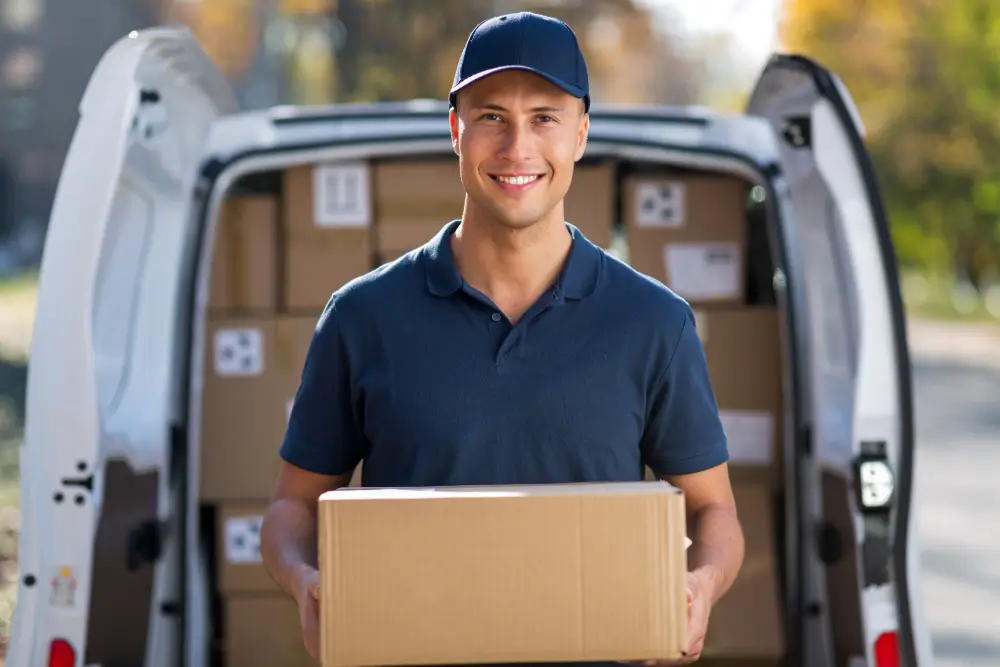
Delivery driver jobs encompass any role where you transport goods from one location to another — from a warehouse to a customer's door, from a restaurant to a home, or from a distribution center to retail locations. The scope ranges from gig economy food delivery to full-time positions with major logistics companies.
Most delivery drivers fall into one of two employment categories. Employees work directly for a company, receive a steady wage, and typically get benefits like health insurance and retirement contributions. Independent contractors work on their own terms, set their own schedules, and accept or decline jobs as they see fit — but are responsible for their own taxes, vehicle costs, and insurance.
The demand for delivery drivers has surged over the past several years, fueled by e-commerce growth, the expansion of same-day delivery expectations, and the maturation of the gig economy. According to Glassdoor, the average delivery driver salary in the United States is approximately $51,000 per year as of early 2026, with top earners reaching $75,000 or more depending on location, employer, and delivery type.
Types of Delivery Driving Work
The delivery landscape is broad, and understanding the different segments helps you find the right fit:
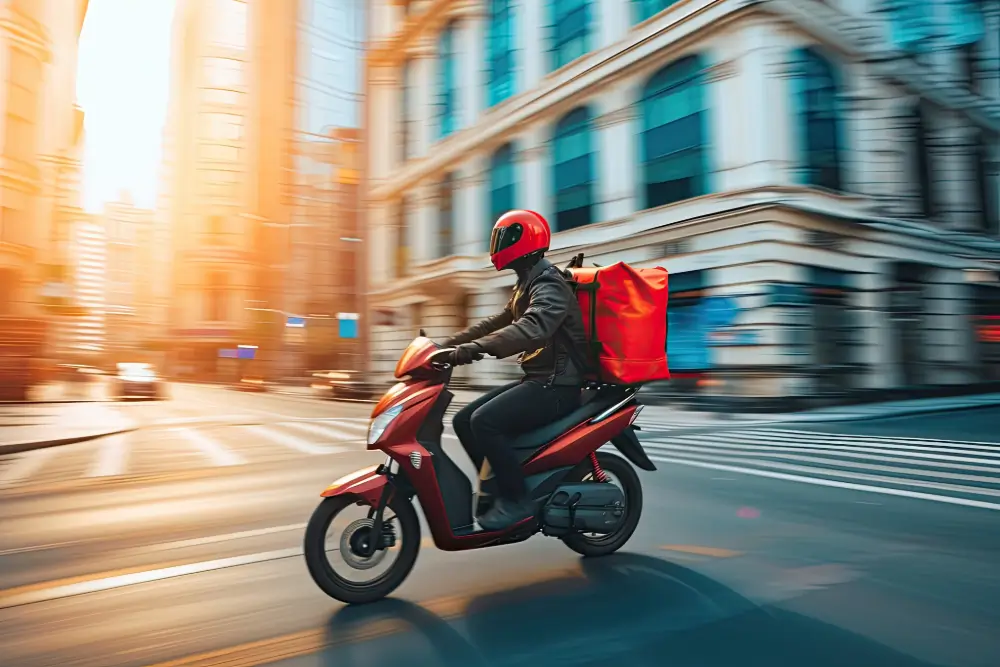
Gig economy food delivery (DoorDash, Uber Eats, Skip the Dishes) offers maximum flexibility. You choose when to work, accept deliveries on demand, and earn per delivery plus tips. Pay typically ranges from $15–$25 per hour depending on location and demand, with peak hours and strategic market selection pushing earnings higher.
Grocery and specialty delivery (Instacart, or direct for businesses delivering groceries, meal kits, or flowers) tends to pay slightly more per delivery due to larger orders and additional handling requirements. Drivers delivering perishable or fragile items may earn $18–$25 per hour.
Package delivery for major carriers (Amazon Flex, FedEx Ground, UPS) offers more structured work with predictable schedules and higher earning potential. Amazon Flex pays $18–$25 USD per hour; UPS and FedEx full-time positions often include benefits, union representation, and paths to $60,000+ annually.
Local business delivery involves driving for Shopify merchants, bakeries, pharmacies, and other local businesses that manage their own delivery operations using tools like EasyRoutes. These positions often offer consistent schedules, a smaller delivery radius, and a more personal working relationship with the business.
Long-haul and regional delivery covers larger distances and typically pays per mile ($0.40–$0.60), suited for drivers comfortable with extended time on the road.
What Delivery Drivers Earn in 2026
Delivery driver compensation varies significantly based on your employment type, location, and the kind of deliveries you handle. Here's what the data shows in 2026:
The national average for delivery drivers in the U.S. is approximately $51,000 per year ($25/hour), according to Glassdoor salary data from early 2026. The typical range falls between $42,000 (25th percentile) and $63,000 (75th percentile). Delivery driver salaries have increased roughly 21% over the past five years, reflecting both labor demand and inflation.
Compensation typically breaks down into several components:
Hourly wages are the most common structure for employed drivers, ranging from $16–$25 per hour depending on employer and region. Entry-level drivers start around $16/hour, while experienced drivers with specialized skills can earn significantly more.
Per-delivery or per-mile rates are common in gig and contract work. Gig platforms typically pay a base rate per delivery plus distance and time components, while regional carriers may pay $0.40–$0.60 per mile.
Tips can substantially increase earnings, particularly in food and grocery delivery. For some gig drivers, tips account for 30–50% of total income.
Bonuses and incentives — many platforms offer peak-hour bonuses, referral bonuses, and completion incentives. Full-time positions may include performance bonuses, holiday pay, and overtime premiums.
For independent contractors, remember to factor in expenses: fuel, vehicle maintenance, insurance, and self-employment taxes. The IRS standard mileage rate for 2026 is $0.725 per mile, which gives a useful benchmark for calculating true net earnings after vehicle costs.
Why Drivers Love the Job
Despite the challenges, delivery driving offers genuine rewards that keep people in the profession long-term:
Freedom and flexibility. For many drivers, the biggest draw is autonomy. Whether you're an independent contractor choosing your own hours or a full-time driver managing your own route, there's a level of independence that few office jobs can match. You're on the road, in control of your day, away from cubicles and meetings.
Physical activity. Unlike sedentary desk work, delivery driving keeps you moving — walking, lifting, climbing stairs, and spending time outdoors. Many drivers cite the physical nature of the work as a genuine health benefit and a welcome change from screen-bound careers.
Community connection. Drivers often become familiar faces on their routes. Regular customers, local business owners, and neighborhood interactions create a sense of community that makes the work feel meaningful. Delivering flowers for an anniversary, medication to someone in need, or a long-anticipated online order can carry real emotional significance.
Job security and growth. E-commerce continues to expand, and the need for reliable delivery drivers shows no sign of slowing. Global parcel volumes have grown steadily and are projected to continue rising through the end of the decade, translating into consistent demand and career stability for drivers who perform well.
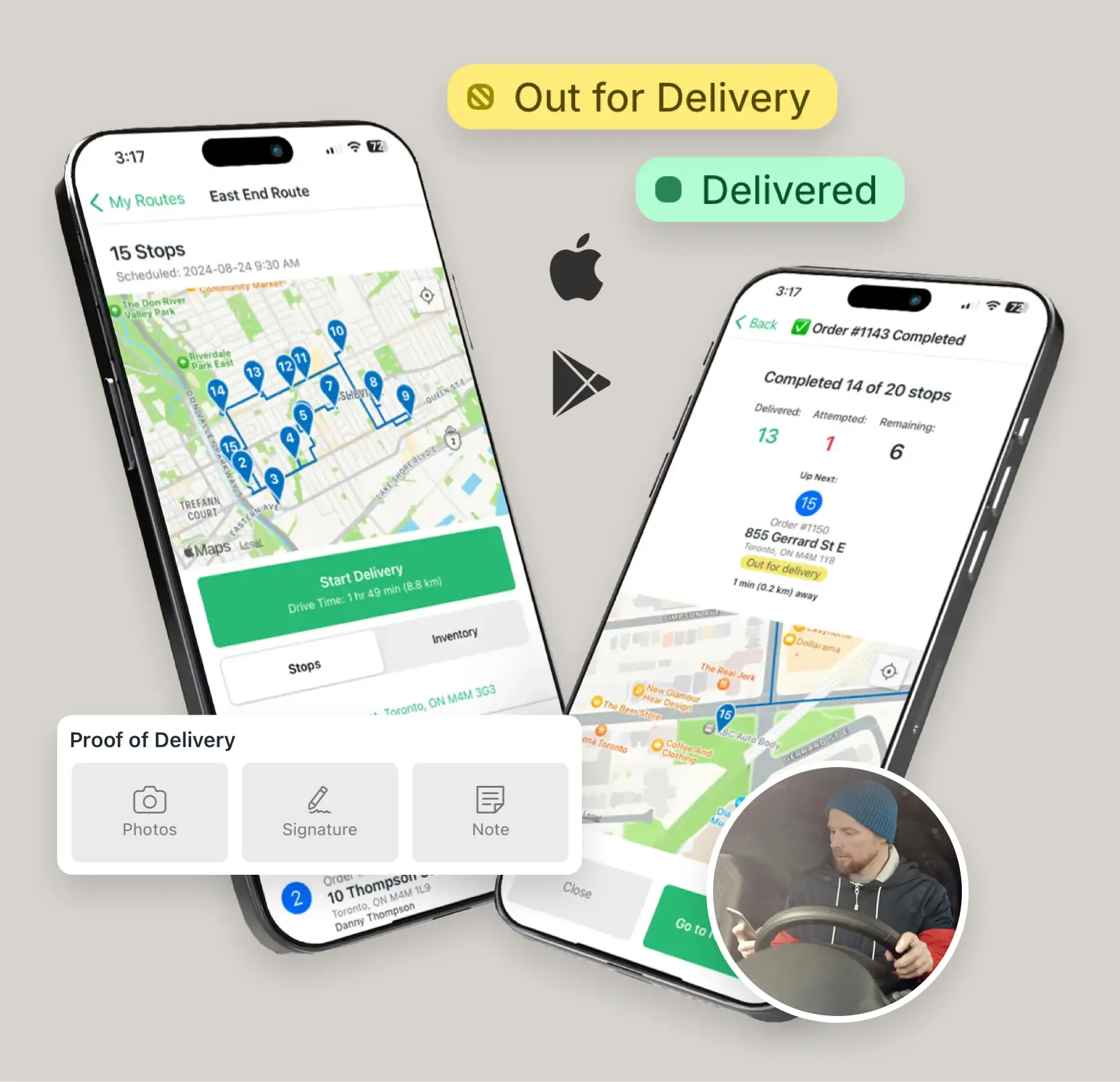
Technology makes the job easier. Modern delivery tools have transformed the experience. Route optimization software like EasyRoutes provides optimized multi-stop routes, turn-by-turn navigation, proof of delivery capture, and real-time customer notifications — all from your phone. What used to require paper manifests and guesswork is now streamlined into a few taps.
Sustainability opportunities. More drivers are operating electric or hybrid vehicles, bike delivery programs are growing in urban areas, and intelligent routing software helps cut emissions by minimizing unnecessary mileage. For drivers who care about environmental impact, the tools to reduce your carbon footprint are increasingly accessible.
Real Challenges You Should Know About
Delivery driving isn't without its difficulties. Being honest about these challenges helps you prepare for them:
Navigating unfamiliar or complex routes. Even with GPS, finding specific addresses in rural areas, apartment complexes, or poorly marked locations can be time-consuming and stressful. Incorrect addresses and unexpected road closures add to the challenge. Using route optimization software that accounts for real-time conditions helps significantly, but local knowledge remains valuable.
Time pressure and unrealistic expectations. Tight delivery windows, high stop counts, and the pressure to maintain speed can lead to stress and burnout. Research indicates that a majority of delivery drivers feel pressure to drive faster than they'd like to meet deadlines. Setting realistic expectations with your employer — and knowing your own limits — is essential for sustainability in the role.
Vehicle wear and tear. Constant driving, stopping, and idling accelerate maintenance needs. Tire wear, brake replacement, oil changes, and unexpected repairs are ongoing costs, especially for independent contractors using personal vehicles. Building a maintenance budget and staying on top of preventive care saves money and prevents breakdowns.
Difficult customer interactions. Most customers are appreciative, but unavailable recipients, incorrect contact information, and occasional frustrated customers are part of the job. Developing patience, clear communication habits, and a professional demeanour makes these situations manageable.
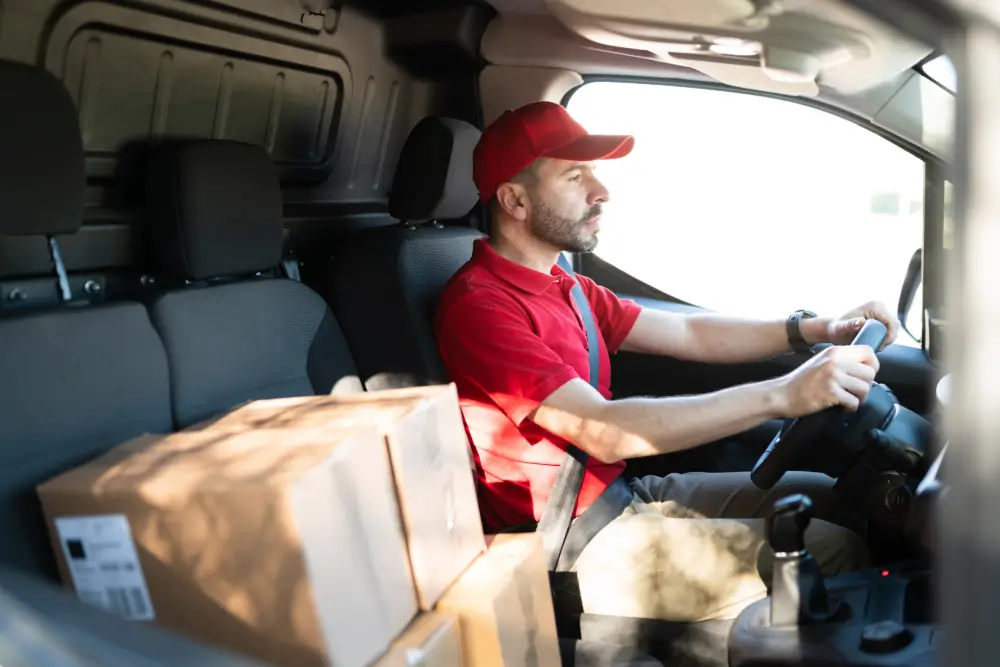
Safety and health concerns. Long hours behind the wheel can cause fatigue, back pain, and repetitive strain. Handling heavy packages, navigating stairs, and working in extreme weather all carry physical risks. Staying hydrated, taking breaks, using proper lifting techniques, and maintaining awareness on the road are non-negotiable habits for long-term health.
Managing multiple deliveries and mid-route changes. Juggling different delivery windows, last-minute additions, and route adjustments can be overwhelming when done manually. This is where delivery management tools earn their value — apps like EasyRoutes allow dispatchers to update routes in real time, automatically reordering stops so you can focus on driving rather than logistics.
Essential Gear for Delivery Drivers
Having the right equipment makes every shift smoother, safer, and more productive:
Smartphone with a quality phone mount. Your phone is your primary tool — navigation, route management, order tracking, customer communication, and proof of delivery all run through it. A sturdy dashboard or vent mount keeps it accessible without being a distraction. Invest in a phone with reliable GPS and a long-lasting battery.
Portable charger or car charger. A dead phone means no navigation, no communication, and no access to delivery apps. Carry a high-capacity power bank (10,000mAh minimum) as backup, and use a car charger during your shift. This isn't a convenience — it's a safety essential.
Route optimization and delivery app. General navigation apps like Google Maps handle point-to-point directions, but for multi-stop delivery routes, you need a purpose-built tool. The EasyRoutes Delivery Driver app provides optimized stop sequences, customer delivery notes, proof of delivery capture, and seamless integration with the navigation app of your choice.
Safety gear. A reflective vest is essential for deliveries in low-light conditions or near roadways. Keep a first-aid kit in your vehicle, along with a flashlight and a fire extinguisher. Proper footwear — supportive, non-slip shoes — prevents fatigue and injuries during long shifts with lots of walking.
Vehicle maintenance basics. Carry a tire pressure gauge, jumper cables, and know where your spare tire and jack are. A roadside emergency kit provides peace of mind for unexpected situations. Regular pre-shift checks of tire pressure, oil levels, and brake function take five minutes and can prevent costly breakdowns.
Health and comfort items. A reusable water bottle, healthy snacks, sunglasses, and sunscreen keep you functional during long shifts. A lumbar support cushion reduces back strain during extended drives. Spare clothes or a light jacket handle unexpected weather changes.
Driving for Delivery Services in Canada
Canadian drivers have a rich landscape of delivery opportunities, each with distinct advantages:
Gig platforms like Uber Eats, DoorDash, and Skip the Dishes offer flexible entry into delivery work. Pay is per-delivery, hours are your own, and the barrier to entry is low. The tradeoff is variable income and no benefits.
Major carriers like Canada Post ($19–$27/hour CAD), Purolator (~$63,000 CAD annual salary), UPS, and DHL offer more structured positions with benefits, pensions, and career advancement opportunities. Canada Post in particular provides union representation, mentorship, and cross-training. These roles may require full-time commitment but offer stability that gig work can't match.
Amazon Flex ($22–$27/hour CAD) is available in major Canadian cities and provides a middle ground — app-based flexibility with higher pay than most food delivery platforms, plus access to Amazon's routing software.
Local business delivery is a growing segment in Canada, with Shopify merchants and independent businesses increasingly managing their own delivery operations. These positions often offer consistent hours, a manageable delivery radius, and a direct relationship with a business that values your work. Tools like EasyRoutes power many of these operations.
When choosing a delivery service in Canada, consider: the company's culture at your local branch, whether the role fits your lifestyle (full-time vs. flexible), compensation and benefits, and the quality of the tools and technology provided. The right tools — particularly route planning software — have an outsized impact on your daily efficiency and job satisfaction.
Online Communities and Forums for Drivers
Connecting with other drivers is one of the best ways to learn the ropes, share tips, and stay motivated. Here are the most active communities:
Reddit's r/DeliveryDrivers (reddit.com/r/DeliveryDrivers) is one of the largest online communities with over 100,000 members. Topics range from route tips and app strategies to handling difficult customers and gear recommendations. It's fast-moving, honest, and covers every delivery platform.
UberPeople.net's Delivery Forum (uberpeople.net) caters specifically to gig economy delivery drivers. You'll find platform-specific advice for DoorDash, Uber Eats, Instacart, and others — including strategies for maximizing earnings during peak hours and avoiding no-tip deliveries.
TruckersReport Forum (thetruckersreport.com) has a dedicated delivery drivers section that's especially useful for drivers operating larger vehicles. Discussions cover commercial vehicle regulations, insurance requirements, fuel-saving techniques, and route optimization for vans and trucks.
GigWorker (gigworker.com) covers gig work broadly but has an active delivery section with practical advice on working across multiple platforms, managing taxes as an independent contractor, and optimizing schedules for maximum earnings.
How to Succeed as a Delivery Driver
Whether you're just starting out or looking to level up, these practices set the best drivers apart:
Use route optimization tools. Efficient routing is the single biggest lever for maximizing your earnings and reducing your expenses. Tools like EasyRoutes optimize your stop sequence, minimize total mileage, and save you the time and mental energy of figuring out the best route yourself.
Prioritize customer service. A friendly greeting, careful package handling, and clear communication go a long way. Customers who have a positive delivery experience are more likely to tip well, leave good reviews, and become repeat buyers for the business you're delivering for.
Stay organized financially. If you're an independent contractor, track every expense — fuel, maintenance, phone plan, supplies. Set aside money for taxes with every payment. Use the IRS mileage deduction ($0.67/mile in 2026) to reduce your taxable income. Being disciplined about finances is what separates drivers who thrive from those who struggle.
Invest in your vehicle and your health. Preventive maintenance avoids expensive breakdowns. Taking breaks, staying hydrated, and using proper lifting technique avoids injuries. Both of these investments pay for themselves many times over.
Keep learning. Join a driver forum, follow industry news, try new tools, and talk to other drivers. The delivery landscape evolves quickly, and the drivers who stay informed are the ones who stay ahead.
Conclusion
Delivery driving in 2026 offers genuine opportunity — flexible schedules, competitive pay, job security, and the satisfaction of being an essential part of how the modern economy works. It also comes with real challenges that demand preparation, discipline, and the right tools.
The drivers who succeed are the ones who treat the role as a profession: investing in their gear, optimizing their routes, managing their finances, and delivering excellent service at every stop.
Ready to optimize your delivery runs? The EasyRoutes Delivery Driver app gives drivers direct access to optimized routes, turn-by-turn navigation, proof of delivery tools, and automated customer notifications — all from their phone. Download it today and see the difference smart routing makes.
The EasyRoutes Delivery Driver app is available for iOS and Android. Use our official download links to install and sign in with your driver phone number.
Yes. Assigned drivers receive a push notification when a route is dispatched to them, linking straight into the route in the EasyRoutes Delivery Driver mobile app.
EasyRoutes optimizes deliveries using your selected orders, start & end locations, stop time intervals, time windows, and route limits. You can balance routes, respect capacities, and re‑optimize as plans change.
Yes. Drivers can launch directions via Google Maps, Apple Maps, or Waze from each stop, and pick a default navigation app in their mobile app settings.
Absolutely. Drivers can add photos, collect an e‑signature, and record notes at each stop; these appear in the route and customer tracking (if enabled).
Yes. If a route is opened while the device is online, the app caches details so drivers can continue working with limited or no connectivity; updates to the route and individual stops will sync back to EasyRoutes when the device is back online.
Yes. Enable Real‑Time Tracking in Settings → Driver settings (Premium/Enterprise subscription plans) to view live driver location and progress in the Tracking tab of any route.
EasyRoutes is the AI-native delivery operations platform trusted by 5,000+ businesses across 75+ countries. Plan routes in seconds, dispatch drivers automatically, and delight your customers — from Shopify or any order source. Experience delivery operations that run themselves. Rated 4.9 stars and certified Built for Shopify.