How Routing Tech Boosts Driver Morale & Retention
By Joe SnyderSmarter routing technology cuts driver stress, fuel waste, and turnover. See how route optimization boosts delivery driver morale and retention.

Smarter routing technology cuts driver stress, fuel waste, and turnover. See how route optimization boosts delivery driver morale and retention.
When we talk about optimizing delivery routes, the conversation usually circles back to efficiency, cost savings, and customer satisfaction. But there is another powerful payoff that rarely gets the spotlight: driver morale. If you have ever juggled missed stops, backtracking through traffic, and a string of “where is my order?” calls all before lunch, you already understand why the right routing technology is not just a logistics tool — it is a quality-of-life upgrade for the people behind the wheel.
For small businesses handling everything from flower delivery to auto parts delivery, the last mile can feel like the longest mile — especially for drivers. And keeping those drivers matters more than ever. Turnover in transportation and warehousing has regularly topped 40% a year, with replacement costs of roughly $3,000 to $7,000 per hourly driver. Smarter routing tech does not just make deliveries smoother for customers; it makes the workday better for your team — and a better workday is one of the cheapest retention tools you have.
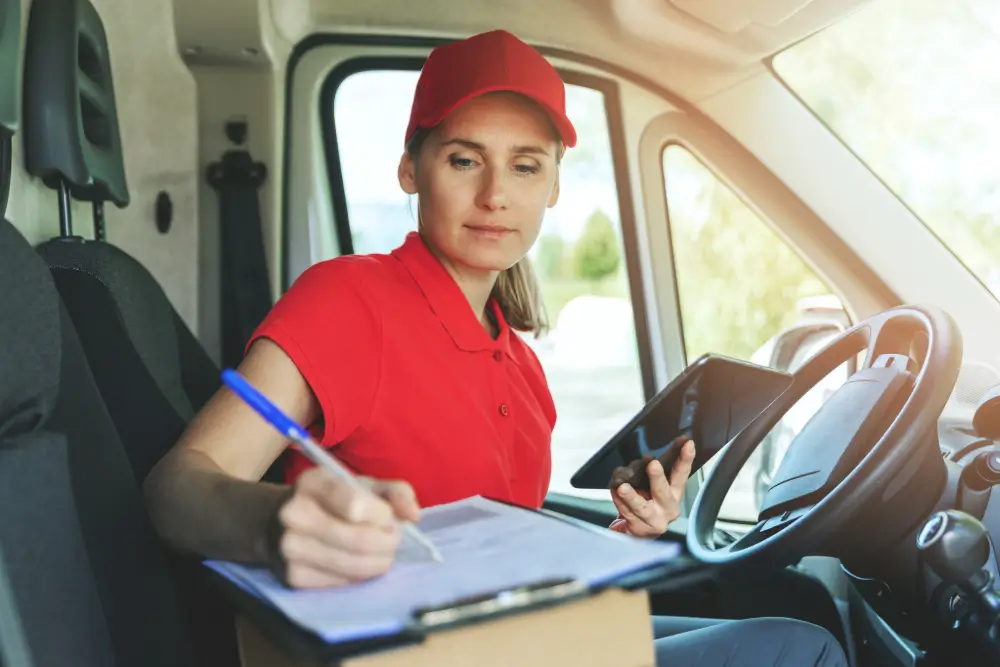
Ask any delivery driver what wears them down most and you will hear familiar themes: unclear routes, tight windows, surprise traffic, and customers wondering why a package did not arrive “ten minutes ago.” These small frictions compound quickly, turning an eight-hour shift into a full-day headache.
This is not just a vibe problem — it is well documented. A 2025 systematic review of 32 studies covering more than 38,000 last-mile workers found that poor working conditions like time pressure, economic insecurity, and rigid algorithmic control were consistently linked to stress, fatigue, burnout, and reduced mental well-being. Whether you manage a team for grocery delivery, bakery delivery, or subscription box delivery, that emotional toll shows up on your books as higher turnover, inconsistent service, and less care at the doorstep. And no amount of route-planning genius makes up for an unmotivated team. Learning what separates a great delivery driver from a burned-out one starts with the conditions you set for them.
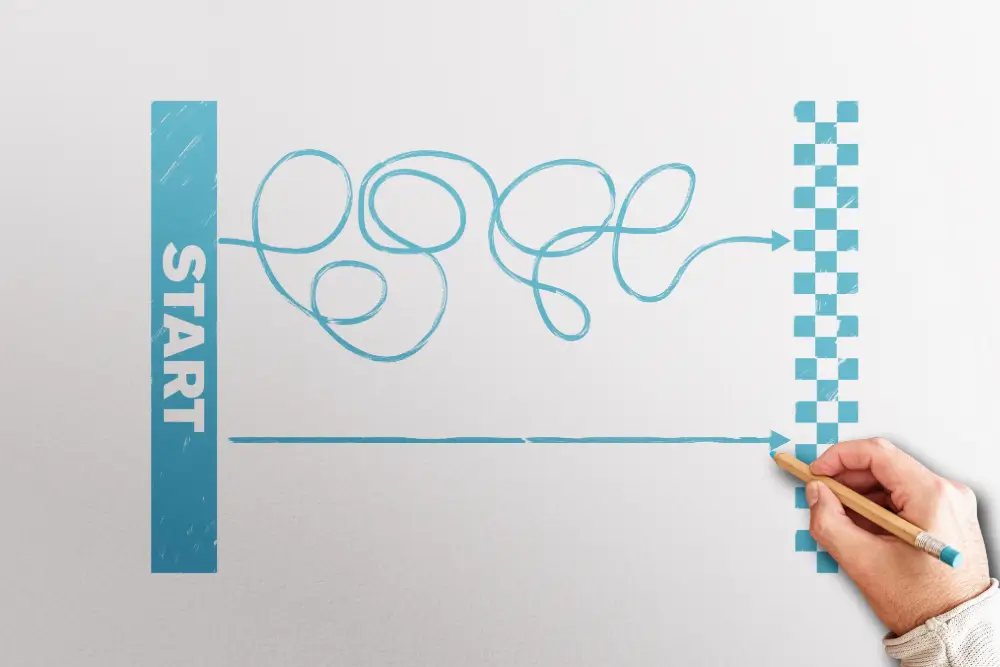
One of the biggest sources of daily stress for delivery teams is ambiguity. Where do I go next? Will I make it on time? Why does this route double back three times? Route optimization removes the guesswork — it sequences stops in a logical, time-saving flow instead of leaving drivers to improvise.
The downstream effect is bigger than a tidier map. The U.S. Department of Energy notes that thoughtfully planning optimal routes reduces miles driven, time stuck in traffic, and even the number of vehicles a fleet needs. Fewer miles and fewer detours mean shorter shifts and less burnout. That calm, clearly mapped-out day sets the tone for everything else — especially for operations like firewood delivery or medical supply delivery, where bulky or time-sensitive loads add complexity.

While managers tend to frame routing in terms of cost savings, drivers feel the benefits directly. Less fuel wasted means fewer stops at the pump. Shorter routes mean finishing on time — sometimes early — which matters enormously to team members balancing long hours with family or a second job.
There is a human angle to fuel efficiency, too. Aggressive, rushed driving — the kind that frantic, poorly sequenced routes encourage — can lower gas mileage by roughly 15% to 30% at highway speeds and 10% to 40% in stop-and-go traffic, according to the Department of Energy. A calmer, well-planned route lets drivers ease off the gas instead of racing the clock, which is easier on the vehicle, the budget, and the person driving. (For the full playbook, see our guide on how to cut gas costs in your delivery business.) In furniture delivery or garden center delivery, where payloads are heavy and the work is physical, every mile saved is a gift to the team’s legs and patience. Drivers notice when a system respects their time — and they return the favor with better performance.
Drivers dislike being micromanaged, but they also hate being caught off guard. When a customer calls asking where their package is, or dispatch is unsure what went wrong, the blame too often trickles down to the person behind the wheel.
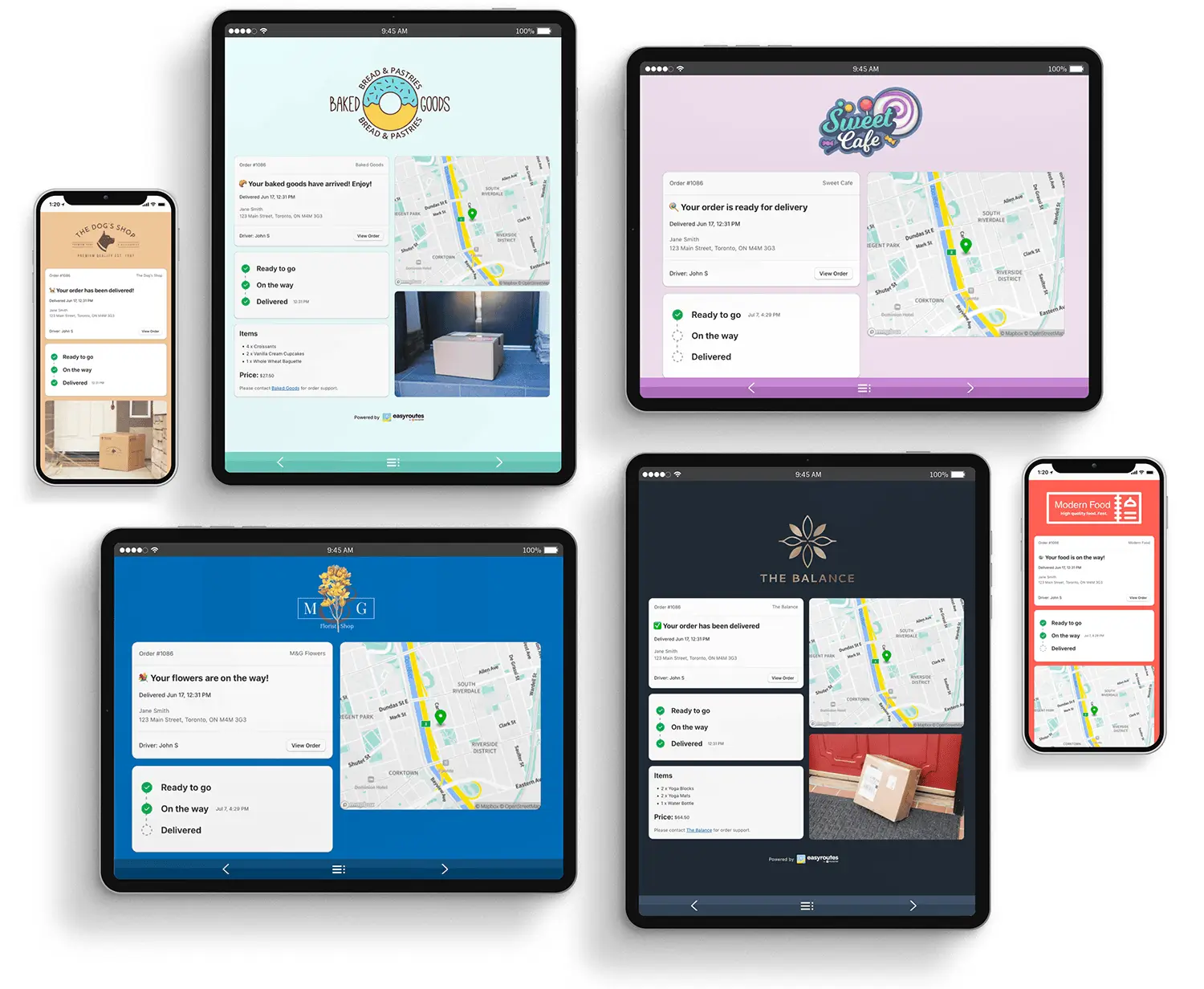
Live order tracking and real-time notifications fix that by giving everyone the same picture. Customers stay in the loop with accurate ETAs, dispatch sees progress at a glance, and drivers are freed up to focus on driving instead of fielding calls. Behind the scenes, effective driver tracking also gives managers a fair, data-backed view of the day rather than second-guessing. For meal kit delivery or coffee shop delivery, where a delay can spoil the experience, that shared visibility builds trust between the team and the tools they rely on.
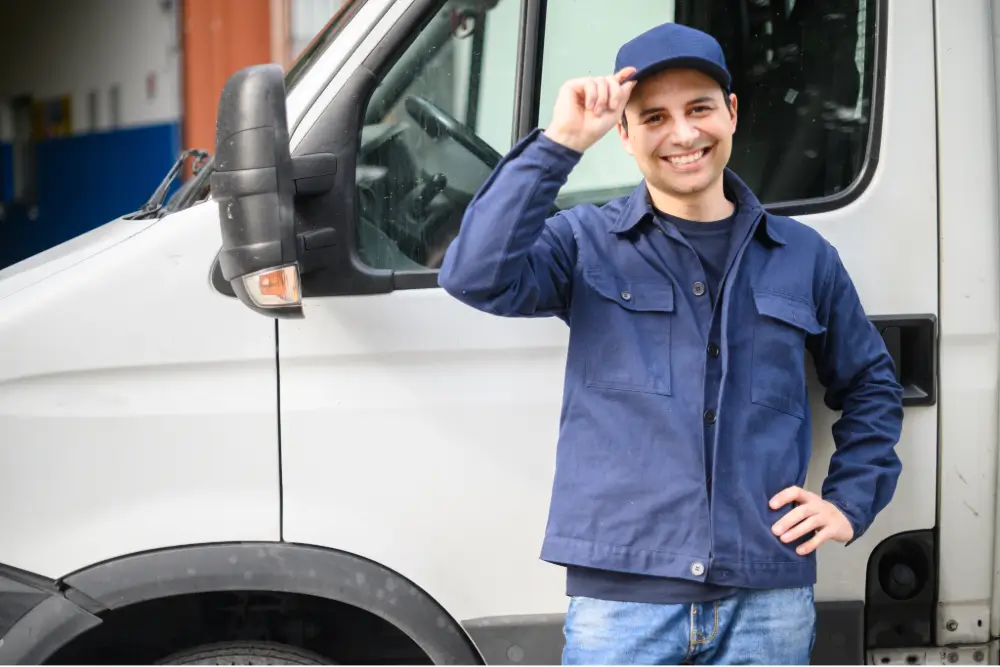
No one wants to juggle five apps or decode a spreadsheet while parked outside a customer’s house. Great routing software should be simple, mobile-friendly, and built for the way drivers actually work. Features like proof-of-delivery capture, stop check-ins, and turn-by-turn navigation inside a dedicated driver app keep everything in one place. That is especially helpful in sectors like clothing delivery, butcher delivery, or hardware delivery, where stops vary by region and order complexity.
Tools only help if drivers are comfortable using them, though. A short, role-based rollout — covered in our guide to training a delivery team on routing software — turns a new app from a source of friction into a genuine confidence boost. When drivers have a clear path and easy tools, they spend more time doing the job and less time fighting it.
Morale is not only about convenience; it is about feeling protected. Routing technology quietly supports driver well-being in ways that are easy to overlook. Setting limits on a route’s duration or stop count prevents the chronic overload that drives people out the door, and balancing stops evenly across a team keeps any one driver from feeling singled out for the worst day. Building scheduled breaks into optimized routes — rather than treating them as time stolen from the clock — signals respect.
Calmer, better-planned routes also lower risk. When drivers are not racing to recover from a tangled schedule, they make fewer rushed decisions on the road, which dovetails with broader delivery driver safety best practices. And the same conditions that keep current drivers safe and supported make it far easier to hire and keep great delivery drivers — a virtuous cycle that compounds over time.
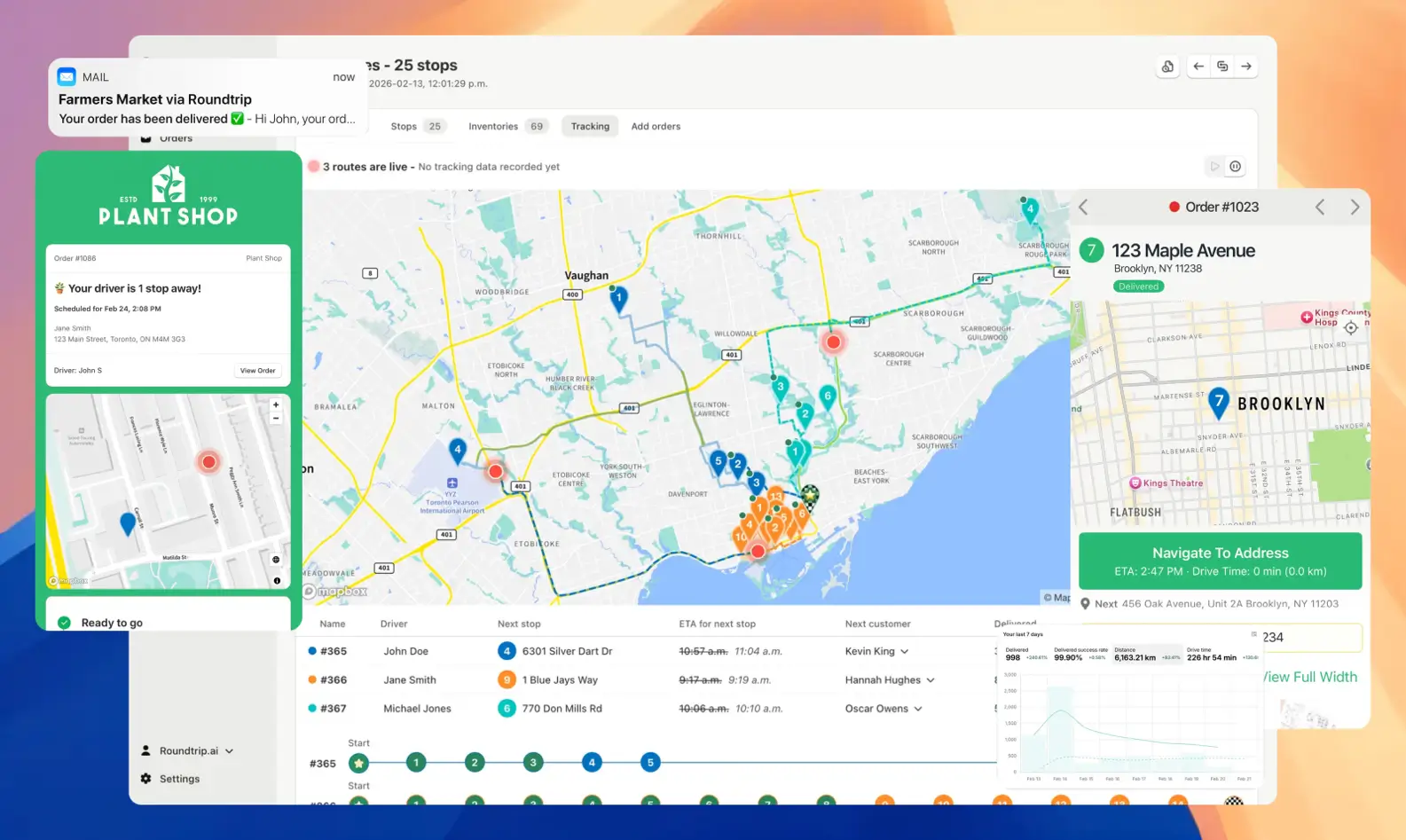
EasyRoutes is more than a route planner — it is an operations upgrade that improves the daily flow for everyone, drivers included. Built specifically for Shopify, EasyRoutes turns new orders into optimized delivery routes in seconds and equips drivers with everything they need to stay on track.
From in-app routing to live tracking, automatic customer notifications, and photo or signature proof of delivery, drivers stay informed, supported, and aligned with dispatch. Businesses handling pet supply delivery, laundry delivery, or even seafood delivery benefit from a system that strips friction out of every step. It is not just about the deliveries — it is about the people who make them happen.
CityChick, a business delivering chicken supplies to backyard farmers around Atlanta, knows the driver experience is everything. Their deliveries are unique — not only in what is delivered, but in the care and communication required along the way.
By implementing EasyRoutes, CityChick streamlined a niche operation and gave drivers clean routes, clear expectations, and better communication tools. The result was smoother delivery days, fewer missed steps, and drivers who actually enjoy the job. And when drivers enjoy the job, they stay longer — and represent your brand better.
There is a direct line between better routing and better workdays: less stress, more predictability, fewer misunderstandings. Routing software does not just boost delivery capacity or trim miles — it builds morale, and morale shows up everywhere from retention to the care customers feel at the door.
For small businesses, that is a big deal. A happy team delivers better service, represents your brand more professionally, and starts fewer operational fires. Whether you coordinate produce delivery, bookstore delivery, or any other kind of last-mile logistics, investing in your drivers is investing in your business. Ready to make your routes — and your team — run smoother? EasyRoutes has the tools to reduce friction, build momentum, and deliver joy to customers and drivers alike.
Yes. Drivers can launch directions via Google Maps, Apple Maps, or Waze from each stop, and pick a default navigation app in their mobile app settings.
Absolutely. Drivers can add photos, collect an e‑signature, and record notes at each stop; these appear in the route and customer tracking (if enabled).
See: Proof of Delivery
Yes — if enabled. Planners can allow drivers to manually reorder stops and or re‑optimize remaining stops mid‑route.
Yes. Drivers can mark stops as Out for Delivery, Delivered, or Attempted and attach proof of delivery from the mobile app.
Yes. Delivery and customer notes from the order can be shown in the driver app; enable these fields in Route/Driver display settings.
Yes. When a route is dispatched and assigned, the driver receives a push notification with a shortcut into the route (requires notification permission).
See: Route Dispatch
EasyRoutes optimizes deliveries using your selected orders, start & end locations, stop time intervals, time windows, and route limits. You can balance routes, respect capacities, and re‑optimize as plans change.
See: Route Options · EasyRoutes 101
Yes. Add scheduled driver breaks to new or existing route, and EasyRoutes will insert a break stop while updating downstream ETAs and total route time.
See: Driver Breaks
Yes. EasyRoutes lets you set limits for maximum route duration, maximum stops per route, and maximum items per route. Configure these constraints in Route Options before planning, or when editing a route.
See: Route Options
Yes. Enable Balance routes to distribute stops as evenly as possible across multiple routes/drivers while respecting other route constraints (like time windows, or item/weight limits).
See: Balance routes · How many routes?
Yes. Enable Real‑Time Tracking in Settings → Driver settings (Premium/Enterprise subscription plans) to view live driver location and progress in the Tracking tab of any route.
See: Real‑Time Tracking
ETAs use route distance, stop service times, and historical traffic, and they update during the day as drivers progress. Accuracy improves when addresses and time windows are clean.
Yes. Assigned drivers receive a push notification when a route is dispatched to them, linking straight into the route in the EasyRoutes Delivery Driver mobile app.
Yes. EasyRoutes Premium and Enterprise plans support branded SMS notifications with usage‑based pricing per message segment. Configure templates and funding in Settings.
EasyRoutes is the AI-native delivery operations platform trusted by 5,000+ businesses across 75+ countries. Plan routes in seconds, dispatch drivers automatically, and delight your customers — from Shopify or any order source. Experience delivery operations that run themselves. Rated 4.9 stars and certified Built for Shopify.
⭐⭐⭐⭐⭐ 4.9 stars • Trusted by 5,000+ Businesses