How to Hire Delivery Drivers: 2026 Complete Guide
By Joe SnyderLearn how to hire delivery drivers in 2026: where to find them, how to screen and interview, onboard, and the benefits of an in-house team.

Learn how to hire delivery drivers in 2026: where to find them, how to screen and interview, onboard, and the benefits of an in-house team.
As e-commerce keeps reshaping how people shop, the businesses that win on delivery are the ones with great drivers behind the wheel. Demand backs this up: the U.S. Bureau of Labor Statistics projects employment of delivery truck drivers and driver/sales workers to grow 8% from 2024 to 2034 — much faster than the 3% average for all occupations — with about 171,400 openings each year. In a market that competitive, a strategic approach to hiring delivery drivers is no longer optional. This guide walks you through the entire process: defining the role, finding candidates, screening and interviewing, onboarding, and deciding whether an in-house team is right for you.

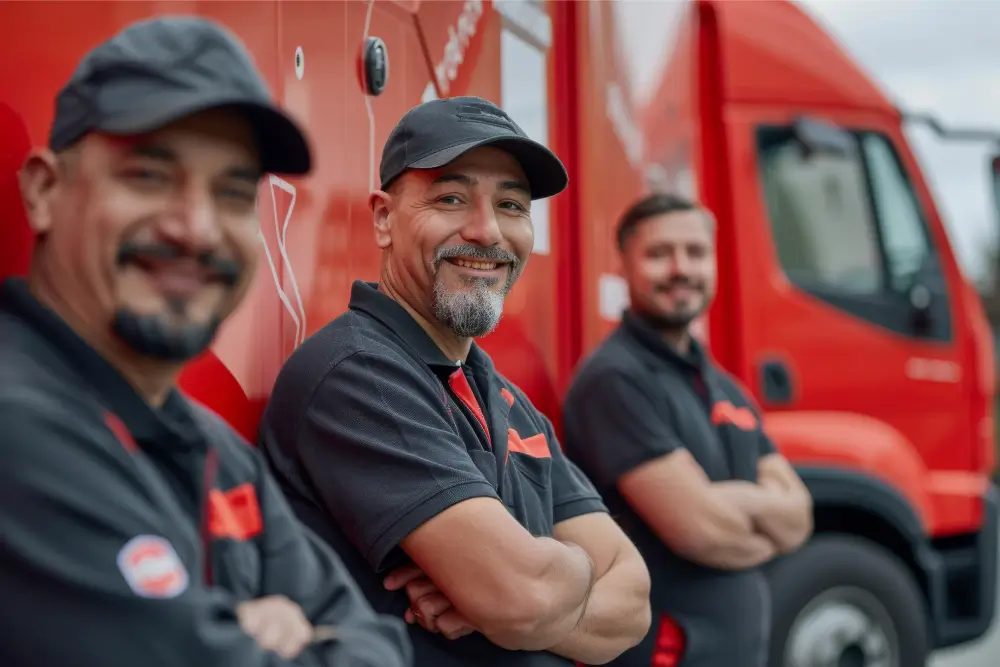
Your driver is often the only human a customer meets in the entire transaction — which means the hire is a customer-experience decision as much as a logistics one. The stakes are rising: 43% of consumers have abandoned a cart or walked away from a retailer because of slow shipping, and a late, lost, or unprofessional delivery is a fast way to lose a repeat buyer. A reliable, customer-friendly driver protects that relationship; a poor hire quietly erodes it. Because turnover is expensive — you pay to recruit, onboard, and train all over again — getting the hire right the first time is one of the highest-leverage moves a delivery business can make.
It also helps to know the market you’re hiring in. Delivery truck drivers and driver/sales workers held roughly 1.53 million jobs in the U.S. in 2024, with a median wage around $42,770 a year (about $20.56 an hour), and light truck drivers closer to $44,140, according to the Bureau of Labor Statistics. With hundreds of thousands of openings projected every year, you are competing for talent — so a clearly defined role, a fair and well-communicated offer, and a smooth hiring experience are exactly what set you apart from the business down the street.
Before you post anything, get specific about what the job actually requires. Hard qualifications usually include a valid driver’s license, a clean driving record, and enough relevant driving experience for your vehicle type and routes. From there, focus on the traits that separate a good delivery driver from an average one: reliability, strong communication, a customer-first attitude, attention to detail, and the physical stamina to handle packages and long shifts.
Match the requirements to the work. A driver navigating dense urban routes with heavy parcels needs different strengths than someone running scheduled grocery drops in the suburbs. Decide early whether you need full-time employees, part-timers, or contract and gig drivers, because that choice shapes everything from your job description to your screening process and your costs. As a rule of thumb, you can teach routes and software, but attitude, reliability, and how someone treats customers are far harder to train — so weight your hiring decision toward those.
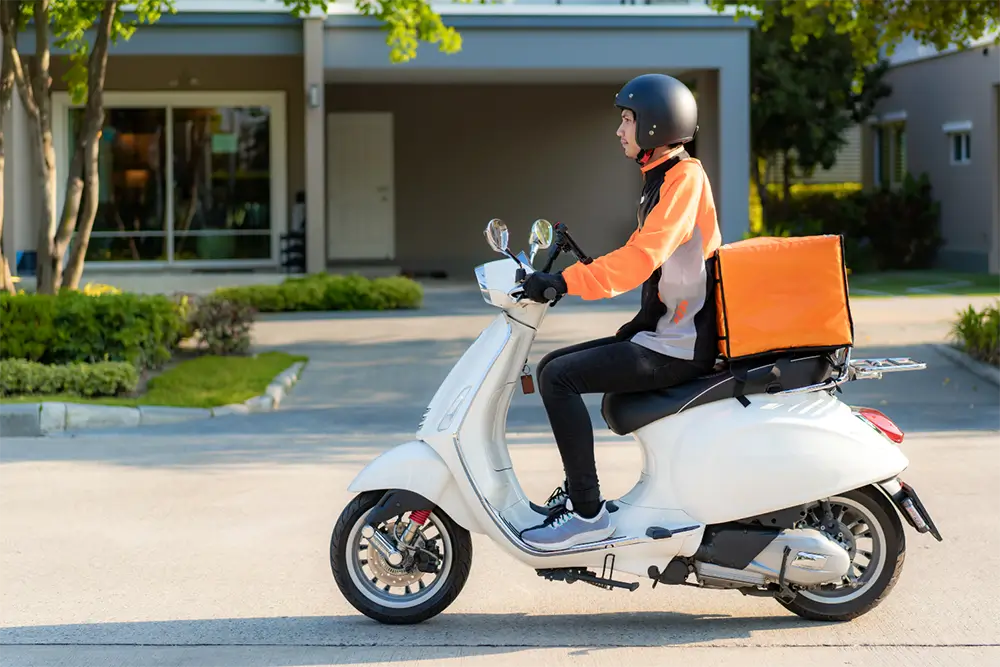
Once the role is defined, cast a wide net. The strongest candidate pipelines usually combine several of the channels below.
A detailed job description does the first round of filtering for you. Spell out working hours and shift structure, full-time or part-time status, compensation and any incentives, the benefits you offer (paid time off, health coverage, flexible scheduling, advancement), and exactly what they’ll be delivering — food, groceries, heavy goods, or fragile items each imply different demands. The more specific you are, the more likely you are to attract people who fit.
General boards like Indeed bring volume, but driver-focused and gig platforms such as GigSmart and Gary’s Job Board tend to bring better-qualified applicants. Keep your listings current and respond promptly — a slow or silent employer loses good drivers to faster ones.
Social channels widen your reach and let candidates see what working for you is actually like. Share behind-the-scenes photos and videos, post openings consistently, engage with people who comment, and ask current staff to reshare. A visible, responsive brand signals that you value your team — which is exactly what good drivers look for.
Referrals are quietly one of the best sources you have. According to Zippia, referral hires stay at a 46% retention rate versus 33% for job-board hires and cost roughly $1,000 less per hire. Ask your current drivers to recommend people they’d trust on the road, and offer a modest bonus for hires that work out. A simple referral program takes time to set up but becomes a durable recruiting engine.
Top drivers want to work for companies that make their day easier. Offering a modern route planner like EasyRoutes, with clear turn-by-turn directions and optimized stops, is a genuine selling point you can mention right in the job post.

A strong pipeline means more applicants — and more to filter. Move candidates through progressively higher-effort stages so you spend your time on the most serious people.
Reply to applicants with a few screening questions by email: how much delivery experience they have, how they keep deliveries on time, and whether they have any driving offenses on record. The responses quickly separate committed applicants from casual ones.
A short call narrows the field further. Ask about pay expectations, why they left a previous role, what they think makes a great delivery driver, and the state of their driving record. Watch for consistency with their written answers, and be cautious about negative attitudes or a pattern of very short stints.
Résumés and interviews only tell you so much; getting a candidate behind the wheel tells you the rest. A short road test — or paying them for a one-time run of a few real deliveries — reveals how they actually drive, handle packages, and pace themselves.
The final in-person conversation confirms fit and lets you sell the role. Use open-ended, behavioral questions — for example, “Tell me about a time you turned around an unhappy customer” — so candidates do most of the talking. Look for clear communicators who are punctual, detail-oriented, and naturally customer-friendly.
Hiring well is wasted if onboarding is an afterthought. Even experienced drivers need to learn your processes, tools, and standards before they’ll perform the way you expect. Structure training into four areas: customer-service expectations, software and app training, safety practices, and your specific delivery processes. Pairing new hires with an experienced driver as a mentor speeds them up and builds the kind of culture that keeps people around. Ongoing development — periodic refreshers on safe driving, service, and technology — keeps standards high and helps your drivers deliver faster and more confidently over time.
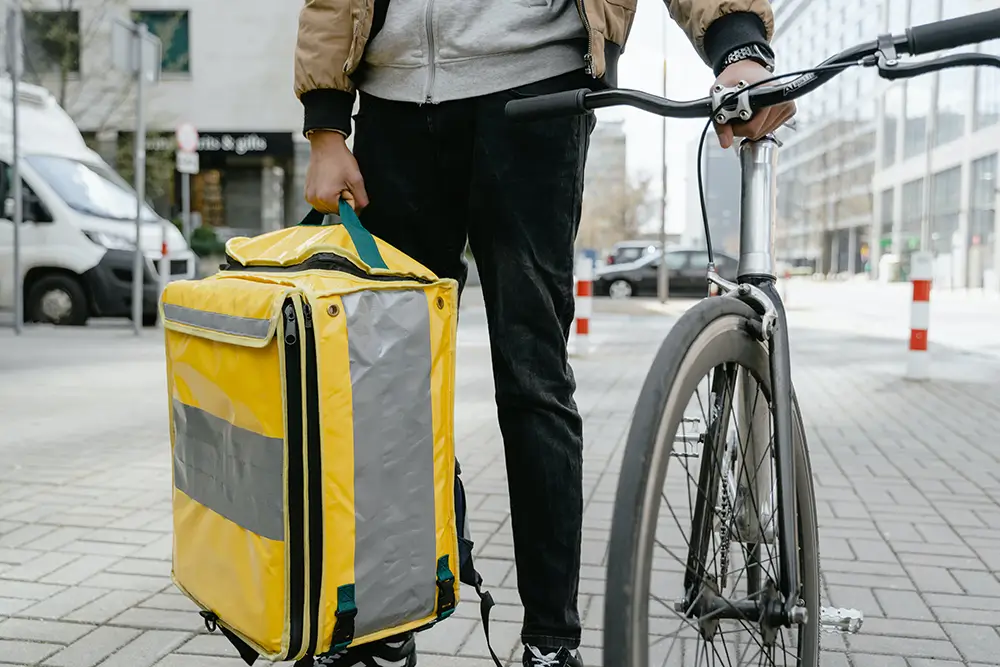
Outsourcing to a courier can be convenient, but hiring your own drivers gives you advantages a third party simply can’t match. The trade-off is real — an in-house team means payroll, vehicles, and management overhead — but for many growing delivery businesses the control and customer loyalty it buys are worth it. If you’re weighing the in-house versus third-party decision, these are the benefits that usually tip the scale toward building your own team:
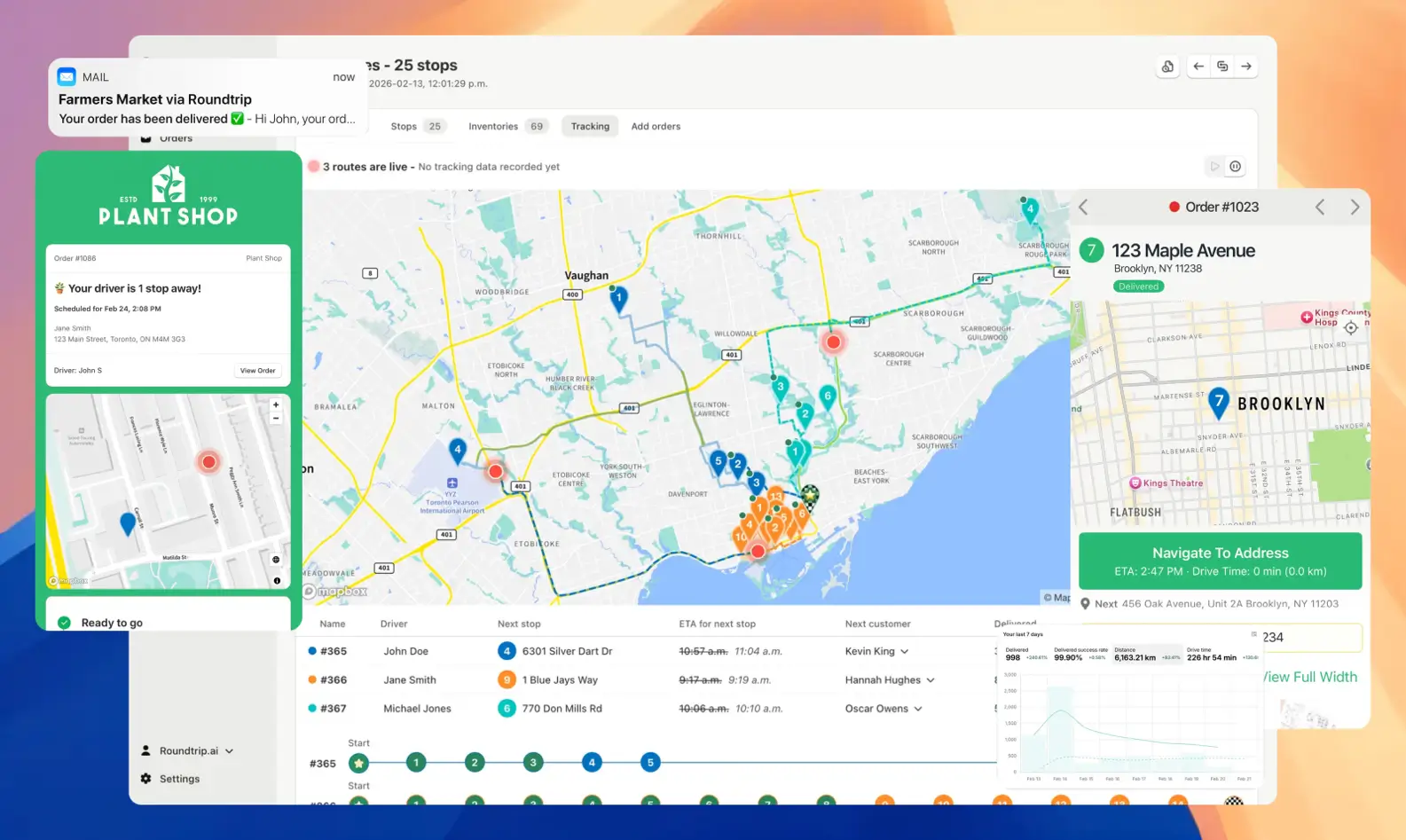
Great drivers are easier to attract and keep when their day-to-day tools are great too. EasyRoutes is a Shopify-friendly route planner and delivery management software built to make new hires productive fast — whether you run a single driver or a growing team.
EasyRoutes builds well-optimized routes with turn-by-turn directions, so even a brand-new driver completes more stops in less time and gets home on schedule. Automated customer notifications let recipients know when an order is on the way or has arrived, which cuts missed deliveries and the wasted trips that frustrate drivers. Real-time tracking, accurate ETAs, and photo proof of delivery give you visibility into performance and give customers confidence. Onboarding a new hire is quick — add them from the Drivers and Vehicles tab, and they install the Delivery Driver app and sign in with an SMS code — and flexible driver seats let you scale the team up for peak periods and back down when things slow, paying only for the seats you’re using.

Hiring top delivery drivers in 2026 comes down to a repeatable process: define the role clearly, recruit across multiple channels, screen and interview in stages, onboard and train deliberately, and give your team the tools to succeed. Build that team in-house and you gain control, brand presence, and a real last-mile advantage — all of which compound into happier customers and lower costs over time.
Ready to set your drivers up to win? See how EasyRoutes can streamline your delivery operations and help every new hire deliver like a pro from day one, or start your 14-day free trial today.
Invite drivers from the Drivers & Vehicles tab of your EasyRoutes navigation menu. Enter a driver's phone number and they’ll receive a link to install and sign in to the app.
See: Adding a Driver
Driver seats are active licenses you assign to drivers. You pay only for active seats and can toggle seats on/off anytime without deleting the driver profile.
Yes. Generate a dispatch link that lets eligible drivers claim a route themselves; the first to claim becomes the assigned driver.
See: Driver Self‑Assign
Yes. Delivery Analytics reports completion rates, average delivery times, and success rates; filter by driver or date and export to CSV.
See: Analytics
Yes. We provide step‑by‑step help docs, videos, and email support during business hours; Enterprise receives priority onboarding and dedicated support.
See: Getting Started · Support Portal
Billing is seat‑based. Pay only for the number of driver seats included in your plan, and assign seats to any drivers in your roster and toggle seats on/off as needed. Charges are prorated when you add or remove seats mid‑cycle.
See: Managing Seats · Prorated Billing
EasyRoutes is the AI-native delivery operations platform trusted by 5,000+ businesses across 75+ countries. Plan routes in seconds, dispatch drivers automatically, and delight your customers — from Shopify or any order source. Experience delivery operations that run themselves. Rated 4.9 stars and certified Built for Shopify.
⭐⭐⭐⭐⭐ 4.9 stars • Trusted by 5,000+ Businesses