A bakery’s product has a short shelf life, and so does its customers’ patience. A baguette or a box of croissants is at its best a few hours out of the oven, which makes bakery delivery a race against the clock that starts before sunrise. Customers want the same fresh-baked quality at their door, and cafés and grocers expect it on their shelves before they open. This guide covers the market data shaping the bakery business in 2026, the consumer trends worth building around, how seasonality and weekend rushes stretch a delivery operation, and a practical playbook for delivering baked goods that arrive as fresh as they left.
The State of the Bakery Market in 2026
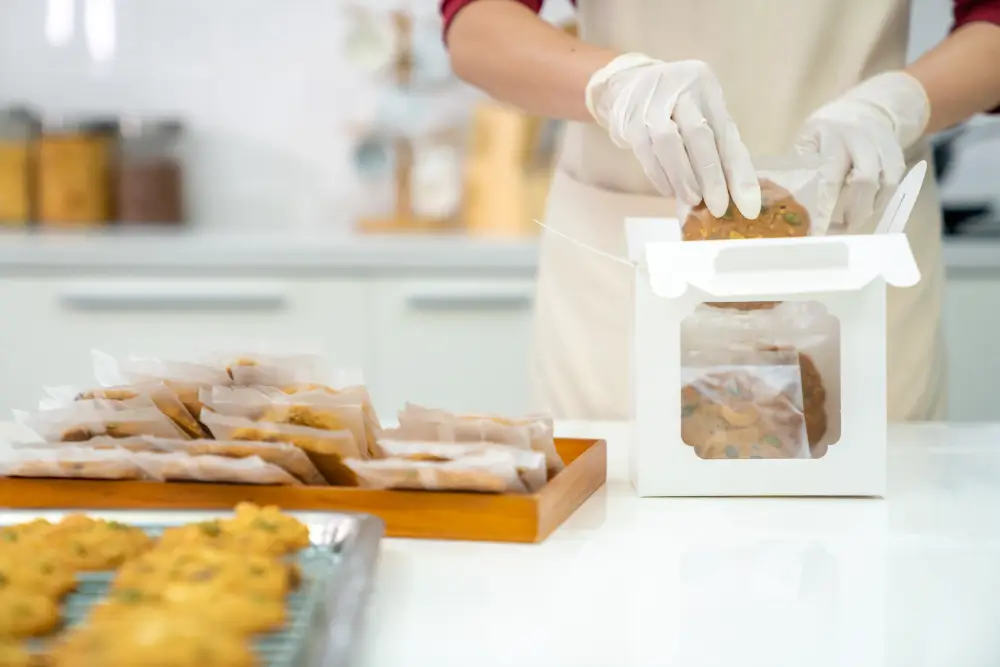
Bakeries sit in a category that consumers keep coming back to, even when budgets are tight. In the United States, bakery cafés alone make up a market of roughly $17.8 billion, which grew 1.1% in 2025. Add independent retail bakeries, wholesale bread and pastry producers, and home-based cottage bakers, and baked goods are one of the most widely shared local businesses in any neighbourhood.
That doesn’t mean every bakery is growing. The latest Circana data shows the category splitting in two. Premium and value price points are the only ones gaining share of both dollar and volume sales, while mainstream products get squeezed. Bakery sold through cafés, restaurants and other food service channels is also outpacing the grocery aisle: food service bakery dollar sales grew 6.5% year over year, compared with just 1% for retail. For independent and artisan bakeries, that is encouraging. Shoppers will still pay for quality and freshness, provided the product actually arrives fresh.
That’s where delivery comes in. Online ordering has moved bakery sales beyond the counter, and customers who order online expect the whole experience to feel as polished as the product: a clear delivery window, updates along the way, and a box that arrives intact. If you’re still deciding whether to run deliveries yourself or hand them to a third party, our breakdown of in-house vs. third-party delivery walks through the trade-offs.
Four Trends Shaping Bakery Delivery
1. Local and Artisan Is a Selling Point
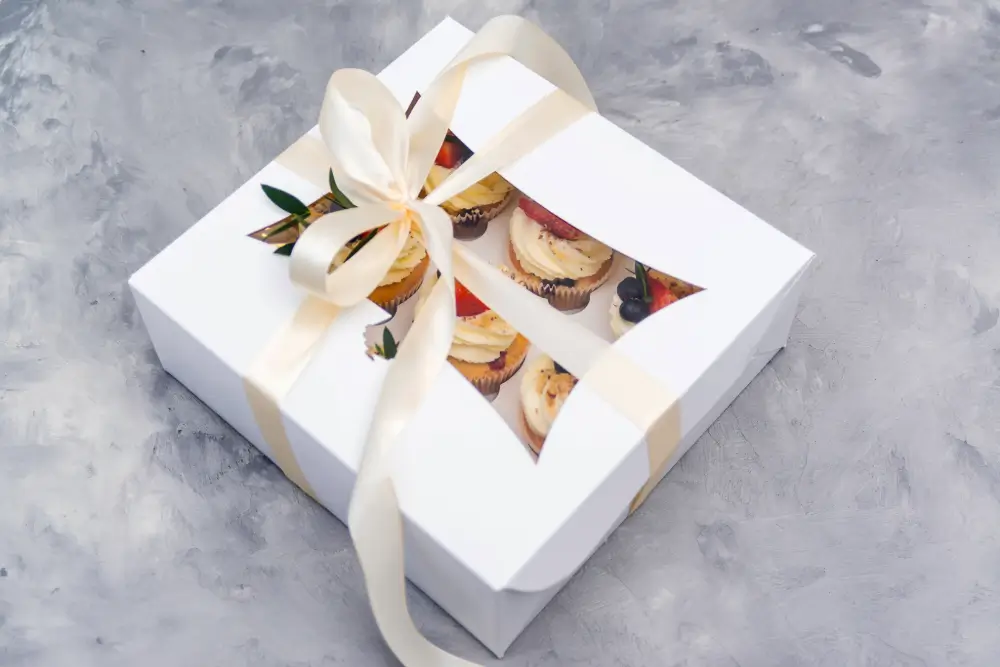
Buying local is a real preference, and one that shows no signs of slowing. In Puratos’ global Taste Tomorrow research, 66% of consumers said they prefer products from a local store made by artisans or craftspeople. A neighbourhood bakery already has that story. Delivery lets it reach customers who love the product but can’t always make it to the counter, and a well-run delivery program becomes part of the local, personal experience rather than a watered-down version of it.
2. Health-Forward Baking Is Going Mainstream
Wellness now shapes what goes in the bakery case. According to industry research, 67% of consumers choose foods based on their health benefits, and 58% believe sourdough makes bread healthier. Circana reports that the share of U.S. adults trying to get more protein rose from 41% to 48% between 2025 and 2026. Portions are changing as well: 64% of North American consumers would rather have a smaller treat than compromise on flavour. For delivery, that means more mixed orders of loaves, mini pastries and specialty items, often sold as subscriptions or recurring weekly boxes.
3. Sustainability Is Part of the Product
Sustainability expectations now cover everything from ingredients to the packaging and the last mile. In McKinsey’s 2025 survey of U.S. consumers, 77% rated recyclability as extremely or very important when judging whether packaging is sustainable, and 62% said the same of recycled content. On the ingredient side, 54% of consumers globally buy plant-based food every month, which keeps vegan and plant-forward baked goods on the menu.
Delivery is the part of that footprint a bakery controls most directly. Optimized routes cut the miles driven for every order. Tight delivery zones keep drivers close to the shop. Many bakeries have switched to bikes, cargo eBikes, scooters or electric vehicles for short local runs. Pair that with recyclable or compostable boxes and you have a sustainability story customers can see at the door. For more ideas, see our guide to sustainable delivery best practices.
4. Fast, Reliable Delivery Is the Baseline
Customers compare your delivery with every other delivery they get, not just other bakeries. AlixPartners’ 2026 home delivery survey found that shoppers now expect free delivery of grocery and food orders in under a day (0.9 days on average), and more than half would boycott a retailer after just one or two missed deliveries. With baked goods, a late delivery isn’t just inconvenient. It means stale bread, a missed breakfast meeting or a birthday without a cake. Accurate ETAs, real-time tracking and proof of delivery are what make customers comfortable ordering fresh food for delivery at all.
“The app is so easy to use and so helpful. In one place we are able to organise all the deliveries, send the customer the tracking, and upload pictures of the product and signature once delivered.”

Seasonality, Holidays, and the Weekend Rush
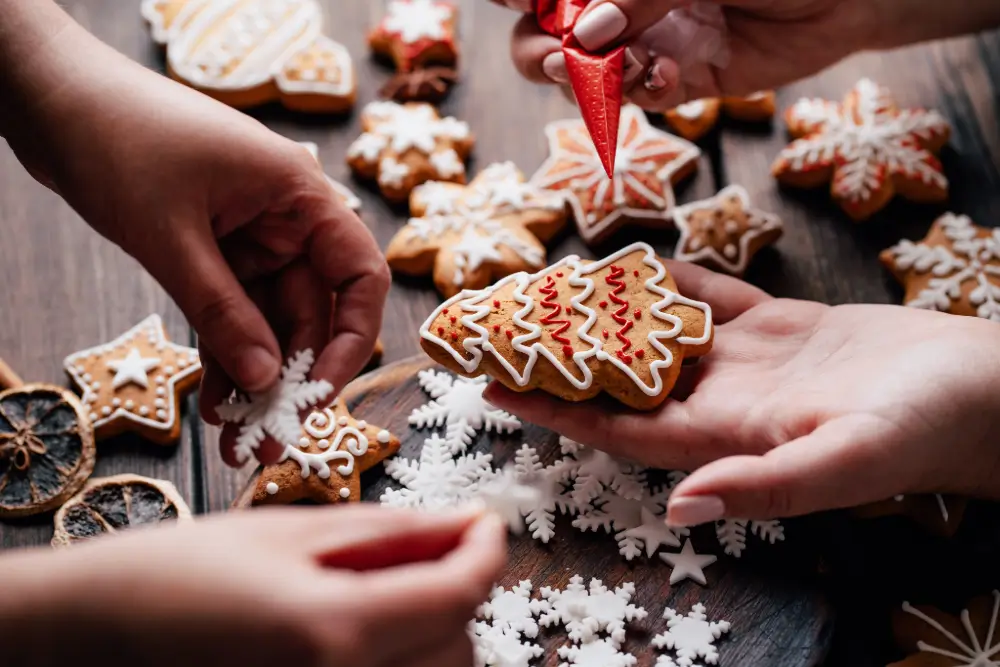
Pecan pie at Thanksgiving, hot cross buns at Easter, pumpkin-spice everything each fall: the bakery calendar is packed with occasions tied to specific baked goods. Those spikes are steep: Square’s seller data showed pie sales jumping 67% from October to November 2024, with half of all pumpkin pie purchases for the year landing in November. Limited editions pull customers in too. In the UK, 58% of sweet bakery consumers say limited-edition and seasonal baked goods appeal to them, rising to 78% of 25–34-year-olds.
The week itself has a rhythm, too. Square’s payment data shows the weekend’s share of food and drink spending rising from 30% in 2019 to 35% in 2023, as remote work moved treats and outings from office weekdays to Saturdays and Sundays. For bakeries, that can mean a quiet Tuesday followed by a Saturday morning with twice the orders and the same number of hands.
Scaling delivery around those peaks is one of the hardest parts of the business. Hire for your busiest weekend and you pay for idle drivers most of the year. Staff for an average week and the holidays overwhelm you. The bakeries that handle it best plan capacity around the calendar: they open delivery slots early for big holidays, set order cutoffs they can actually meet and bring on extra drivers only for the days they need them. Our peak-season delivery playbook goes deeper on preparing for the rush.
“EasyRoutes has saved me a significant amount of time generating routes, improved the customer experience with delivery notifications and tracking links, and saved me time on order management”

Why Bakery Delivery Is Harder Than It Looks
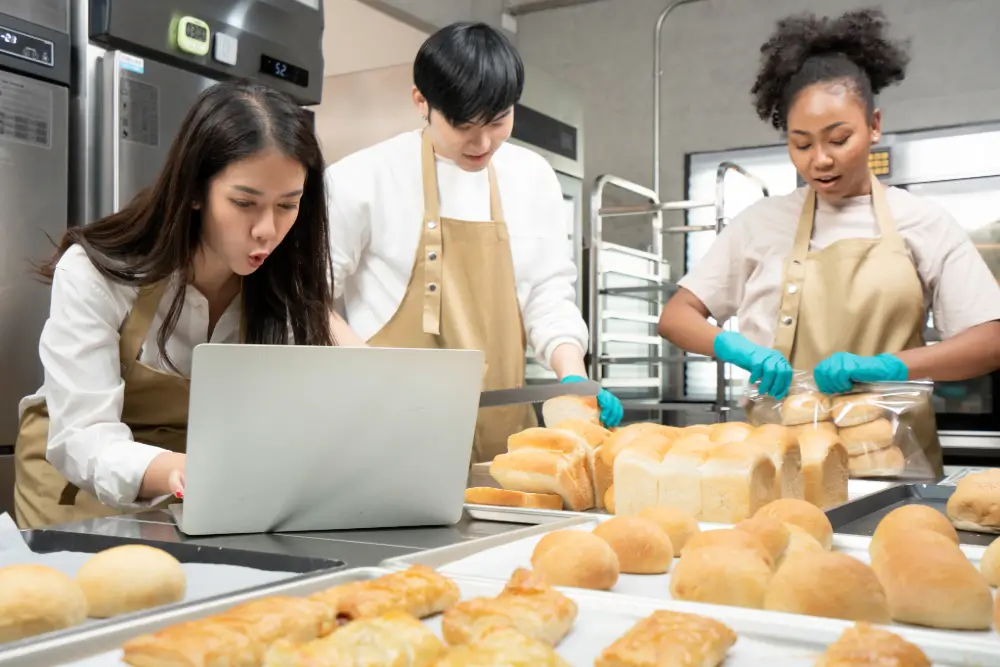
Delivering baked goods has challenges that a typical local delivery business doesn’t face:
- Freshness windows are short. Bread and pastries are best within hours of baking, so routes have to be built around bake schedules, not the other way around.
- Mornings are compressed. Wholesale accounts like cafés, restaurants and grocers usually need their drops before opening, which packs a lot of stops into a narrow early-morning window.
- Products are fragile. Tiered cakes, glazed pastries and loaded boxes don’t survive hard braking or a pile of other orders on top of them. Stop order and vehicle loading matter. Our cake and cupcake delivery guide covers the most delicate orders in detail.
- Two kinds of customers share one fleet. Many bakeries serve recurring wholesale accounts and one-off retail orders on the same day, each with different timing, access notes and expectations.
- Demand swings wildly. Holidays, weekends and even the weather can double or halve order volume from one day to the next.
Planning all of this on a whiteboard or in a spreadsheet works for a handful of orders. It breaks down quickly as volume grows, and the cost of getting it wrong shows up as stale product, late drops and drivers who burn out.
“This app straight out of the box works great. Easy to use. Great App. If you do deliveries you’ll have no problem with it.”

How to Build (or Scale) Bakery Delivery in 5 Steps
1. Define Your Delivery Area
Start with how far your product can travel and still arrive fresh, then draw your delivery area around that. Split it into smart delivery zones by neighbourhood or direction from the bakery so each driver works familiar ground. Zones also make it easier to set different delivery days, minimums or fees for farther-flung customers.
2. Set Delivery Days, Windows and Cutoffs
Decide which days you deliver, what windows customers can choose and when orders close for each window. Clear cutoffs protect your bake schedule, and published windows set expectations before a customer checks out. Scheduled deliveries also let you batch orders into efficient routes instead of dispatching one at a time.
3. Treat Wholesale and Retail Differently
Standing wholesale orders are predictable, so automate them. Build recurring routes automatically for your regular café, restaurant and grocery accounts, with their delivery windows and back-door instructions saved on each stop. Then layer retail and one-off orders around that core, so your most reliable revenue is never put at risk by a surprise rush.
4. Package for the Trip
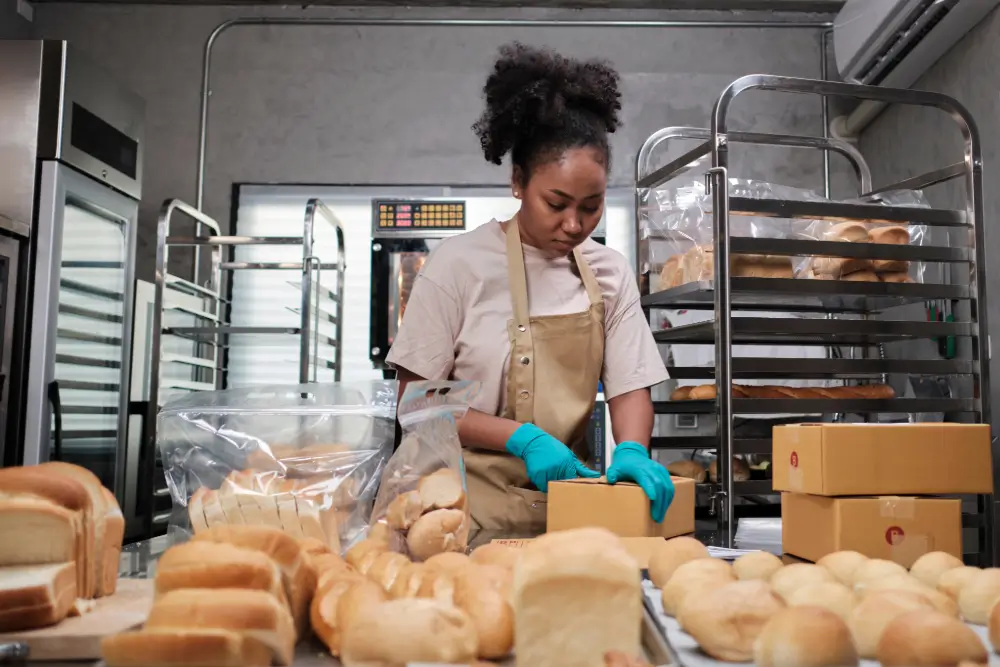
Good packaging protects the product and your brand. Use boxes that vent steam from warm bread, keep glazed and frosted items level, and hold up to a stack of orders in the car. Choosing recyclable or compostable materials meets the sustainability expectations customers increasingly desire without adding much cost. See our tips on reducing packaging costs without cutting quality.
5. Staff for the Peaks, Not the Average
Build a roster of drivers you can call on, including part-timers and staff who can pick up a shift during the holidays, and pay only for active drivers when you need them. Balancing stops evenly across drivers on busy days keeps anyone from ending up with twice the route of their teammates, and it keeps the last delivery of the day from arriving hours after the first.
“Very helpful and friendly team, they take customer feedback and turn it into actions! Awesome team!”

How EasyRoutes Helps Bakeries Deliver
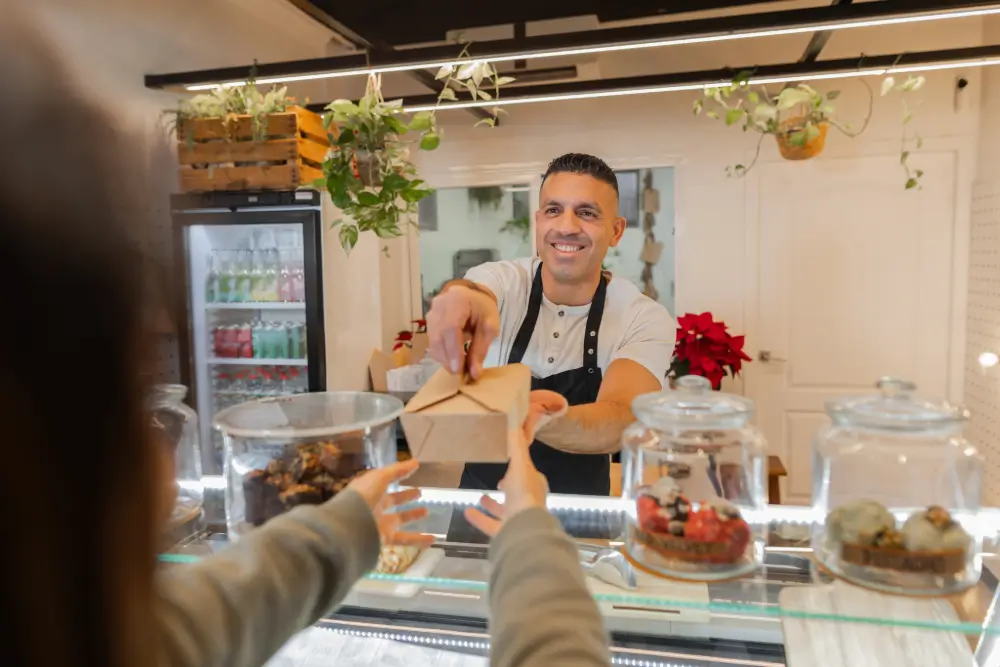
EasyRoutes is route planning and delivery management software built for Shopify and other leading eCommerce platforms, and it’s used by bakeries of every size. Its route optimization engine turns a day’s orders into efficient routes in a few clicks. Route options like time spent per stop, delivery time windows and avoiding tolls or U-turns keep plans realistic, while cutting drive time and fuel costs. Drivers follow their sequenced stops, delivery notes and navigation in the EasyRoutes Delivery Driver app, whether they’re in a van, in an EV or on an eBike.
For the challenges that are specific to bakeries:
- Recurring wholesale drops: Autopilot builds routes on the schedule you set, so standing orders are routed and ready to dispatch before the ovens are even warm.
- Holiday and weekend peaks: Flexible driver seats let you add, remove and switch active drivers whenever you need to, with charges prorated for the days extra seats are in use.
- Busy delivery days: Delivery Zones keep each route inside its territory, and route balancing spreads stops evenly across your drivers.
- Customer confidence: Automated notifications, live tracking links and photo proof of delivery tell customers exactly when their order will arrive and confirm it got there intact.
The time savings add up quickly. Before switching, the team at Sweet E’s Bake Shop in Los Angeles spent at least 40 minutes a day putting addresses on a map and working out routes, and drivers stopped to text every recipient by hand. Here’s what changed, in their words:
“With EasyRoutes everything is easier, routes are made automatically, dispatched to the drivers, and notifications to our customers are in real time. Freeing the time to bake more cakes and decorate more cupcakes…”

Final Thoughts
Bakeries have a lot working in their favour in 2026. Customers prefer local and artisan products, they’ll pay for quality, and they’re happy to have fresh bread and pastries delivered. The bakeries that capture that demand treat delivery with the same care as the bake itself. They plan around freshness windows, scale up for holidays and weekends without overstaffing the rest of the year, and keep customers informed from oven to doorstep. Ready to make your bakery’s deliveries as good as what’s in the box? Start your 14-day free trial and route tomorrow morning’s orders with every feature unlocked.