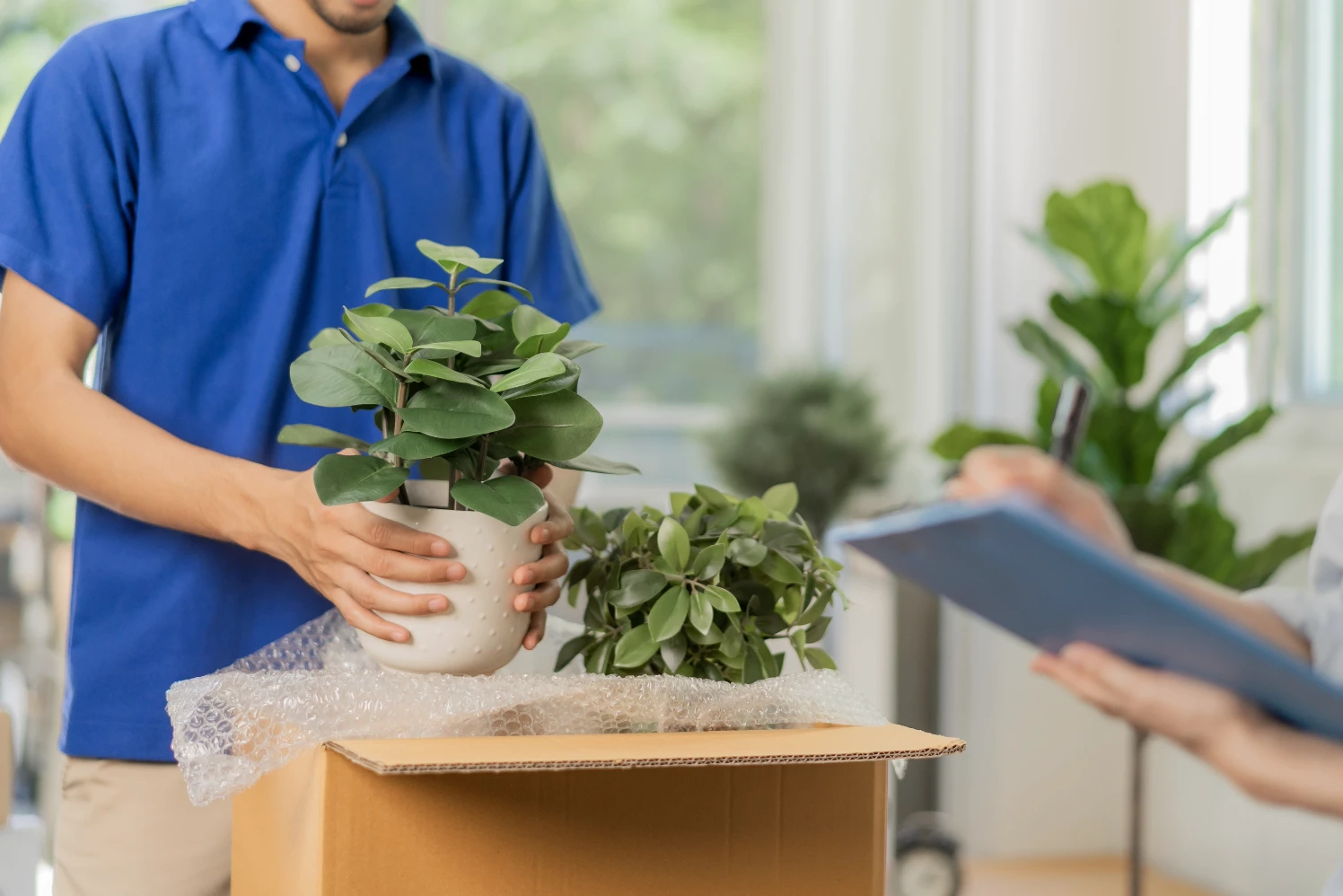
Plants have become one of the most rewarding — and most demanding — products a business can ship or deliver. A snake plant or fiddle-leaf fig is a living thing, and a delivery either arrives looking like the photo the customer fell in love with, or it shows up bruised, dried out, and headed straight for a refund. As demand for greenery keeps climbing, getting the packing and the last mile right is the difference between a thriving plant business and a steady stream of damage claims.
This guide brings together everything that goes into delivering plants well in 2026 — from choosing a box and cushioning fragile foliage, to managing moisture and temperature, to picking a carrier, optimizing routes, and keeping customers informed until the moment a healthy plant lands on their doorstep.
The State of Plant Delivery in 2026

Houseplants are no longer a niche hobby. The global indoor plant market is valued at roughly $14.4 billion in 2026 and is projected to reach about $21 billion by 2034, growing at a steady clip of just under 5% a year. The demand base is broad and durable: around 66% of U.S. households now keep at least one houseplant, and 41% of Gen Z buyers identify as plant collectors rather than casual owners, according to the Garden Media Group’s 2026 trends reporting.
Supply is expanding to meet that appetite — U.S. floriculture growers reported 969 million square feet of production area in 2024, up from 851 million the year before. The catch is that more of those sales are happening online, where a plant has to survive a journey before anyone sees it. That puts packing and last-mile execution at the center of the business, not the edge of it.
What Plants Actually Need in Transit
Every successful plant delivery starts with respecting what makes plants different from ordinary parcels. A plant is fragile, top-heavy, sensitive to temperature swings, and dependent on moisture and light — and it keeps living (and stressing) the entire time it’s in a box. Each species has its own tolerances: a succulent shrugs off a few dry days, while a tropical with thin leaves can scorch or wilt quickly.
Before you optimize anything else, map your catalog against three variables: fragility (how easily foliage and stems break), moisture needs (how long the root ball can go without water), and temperature sensitivity (how the plant reacts to heat or cold). Those three factors drive every packing and routing decision that follows.
Choosing the Right Container
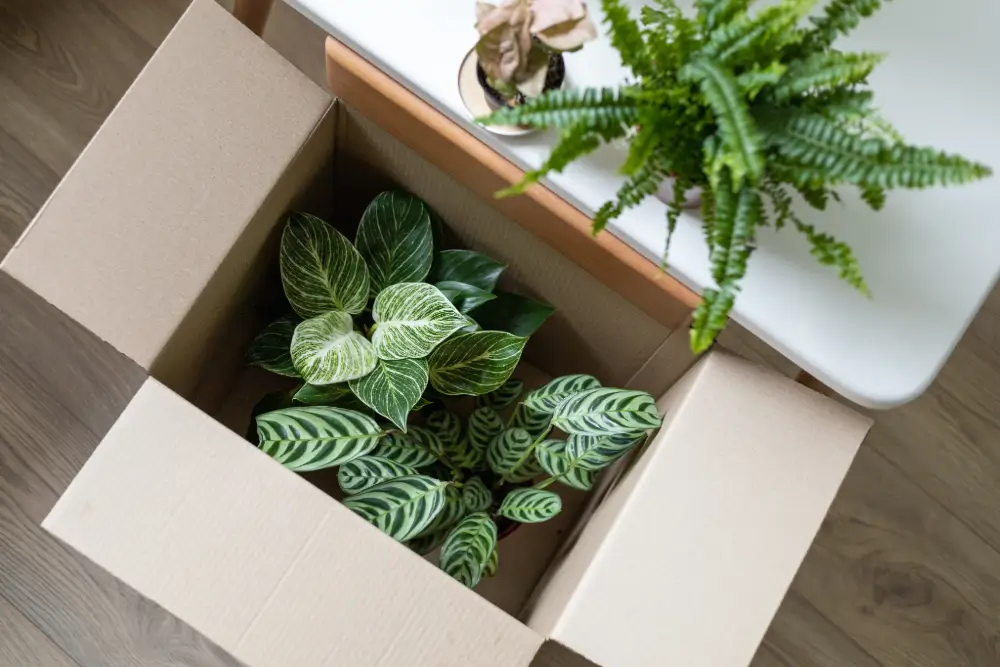
The container is the plant’s armour. Rigid boxes — sturdy double-wall cardboard or reinforced cartons — protect against crushing and stacking pressure far better than flimsy alternatives. Choose a box slightly larger than the plant so there’s room for padding on every side, but not so large that the plant slides around. For tall or columnar plants, telescoping boxes that extend to height prevent the toppling and stem-snapping that ruin so many shipments.
Whenever possible, lean on recyclable and biodegradable box materials. Eco-conscious buyers increasingly expect it, and right-sizing your boxes also trims waste and shipping costs — a topic worth a closer look in our guide to reducing packaging costs.
Packing Materials and Cushioning
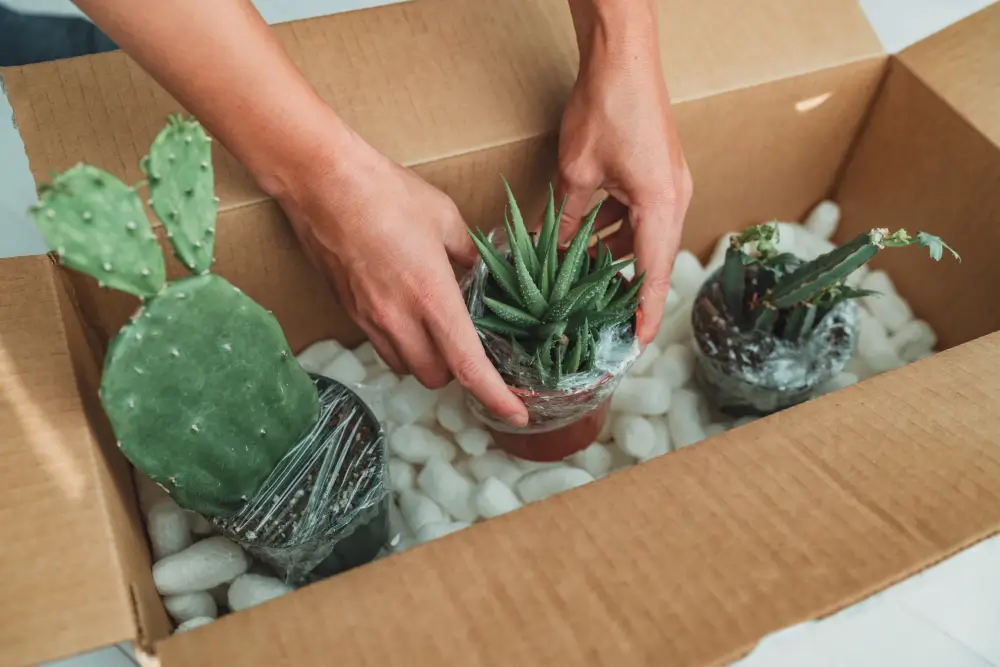
Inside the box, the goal is a stable micro-environment that immobilizes the plant without smothering it. Biodegradable packing peanuts, recycled kraft paper, and bubble wrap all cushion leaves and blooms from impact. Pack snugly around the pot so the root ball can’t shift, and wrap delicate foliage loosely enough that it can still breathe. Securing the soil surface — with a paper cover or a layer of sphagnum moss taped over the top — keeps dirt from spilling across the leaves during the inevitable tumbles of transit.
For plants with sprawling or delicate foliage, gently sleeve the leaves with a paper or mesh wrap before lowering the plant into the box; it bundles the canopy so branches can’t catch and snap. Bare-root shipping is another option for hardier specimens and long distances — removing the plant from its soil and wrapping the moistened roots in damp moss and plastic cuts weight and shipping cost dramatically, though it only suits species that tolerate the disturbance. Whichever method you use, fill every void so nothing can shift, and label the box clearly as a live plant with “this side up” markings so handlers treat it accordingly.
Preparing Plants Before They Ship
A healthy plant travels better than a stressed one. In the days before shipping, prune dead or excess foliage that would only get damaged in the box, and inspect carefully for pests and disease so you don’t ship a problem to your customer. Let recently watered soil drain so it’s moist but not soggy. Some growers acclimate plants to lower light for a few days beforehand, which reduces the shock of spending time in a dark box.
Managing Moisture and Temperature
Moisture and temperature are where most plant shipments live or die. Water thoroughly a day before packing so the root ball is hydrated but not dripping — wet soil invites rot and can soak through packaging. For longer transit times, moisture-control gel packs release water gradually and keep roots hydrated without the mess.
Temperature is the harder variable. Insulating liners, foam panels, or thermal wrap buffer the box against heat and cold, and seasonal heat packs or cold packs protect plants when the weather turns extreme. These principles will feel familiar to anyone who has handled perishable freight; the discipline of cold chain logistics — controlling temperature from origin to doorstep — applies directly to living plants, even when you’re only shipping across town.
Securing Plants for Stability
Movement is the enemy. Anchor the pot to the base of the box with tape or a cardboard collar so it can’t slide, and for tall plants, tie the stem to a stake set in the soil to prevent bending and breakage. The test is simple: gently shake the closed box. If you can hear or feel the plant shifting, it isn’t secured well enough yet.
Choosing the Right Carrier and Delivery Method

How a plant gets to the customer matters as much as how it’s packed. Speed is your ally — the fewer days in transit, the less can go wrong — so expedited services are often worth the premium for sensitive species. But the most reliable option for nearby customers is frequently your own local delivery. Keeping the last mile in-house shortens transit time, eliminates rough parcel-network handling, and gives you control over timing.
That control matters because the last mile is also the expensive mile. It now accounts for 53% of total shipping costs — the single largest line item in getting an order to the door. For plants, the math is even less forgiving, because a failed or delayed delivery doesn’t just cost a redelivery; it can cost the entire plant. Businesses that ship perishable, time-sensitive goods like cut flowers face the same pressures, and many of the same tactics apply — see our breakdown of flower delivery trends and route planning.
Optimizing Your Delivery Routes

Once you’re running your own deliveries, route planning becomes the lever that protects both your margins and your plants. A smarter route means less time bouncing around in a hot vehicle and fewer hours of stress on living cargo. Strong route optimization sequences stops to minimize total drive time, balances loads across drivers, and accounts for delivery windows so heat-sensitive plants aren’t the last drop of a long afternoon.
The payoff is concrete: AI-driven route optimization can cut delivery times by up to 25% and fuel consumption by up to 20%. This is exactly the problem EasyRoutes solves for Shopify and other merchants — automatically building optimized multi-stop routes, factoring in vehicle capacity for bulky or fragile loads, and helping a small team deliver more plants per route without adding miles or vehicles. Reducing time on the road also lowers emissions, which dovetails with the broader push toward greener, more sustainable delivery that today’s plant buyers care about.
Planning ahead compounds these gains. Scheduling routes in advance lets you batch deliveries by neighborhood, assign the right vehicle to each run, and lock in delivery windows that keep heat-sensitive plants off the truck during the hottest stretch of the day. It also lets you share accurate arrival times with customers before the driver ever pulls out of the lot — a small operational habit that prevents a surprising share of damaged, missed, and re-attempted deliveries.
Tracking, ETAs, and Customer Notifications

With a living product, communication isn’t a nicety — it’s damage prevention. A plant left baking on a porch all day because no one knew it was coming is a preventable loss. Sharing accurate ETAs and sending timely delivery notifications means someone can be ready to bring the plant inside the moment it arrives.
Good communication also protects your support team. “Where is my order?” questions already make up 30 to 40% of ecommerce support tickets, and plant buyers — anxious about a perishable purchase — ask even more of them. Proactive real-time tracking and notifications answer the question before it’s asked. EasyRoutes sends customers live tracking links, SMS and email updates, and accurate delivery windows, and captures photo proof of delivery so both you and the customer can confirm a plant arrived healthy and in the right spot.
After Delivery: Care and the Customer Experience
The delivery isn’t finished when the box is dropped — it’s finished when the plant thrives. Include clear care instructions in the packaging: watering schedule, light needs, and how to acclimate the plant to its new home. A short, friendly unboxing guide turns a transaction into an experience and encourages customers to share photos, which is free marketing in a category that lives on social media. Inviting feedback also surfaces packing or routing issues early, before they turn into a pattern of damage claims.
Final Thoughts

Delivering plants well is part horticulture and part logistics. Nail the packing — the right box, smart cushioning, controlled moisture and temperature, and a plant secured against movement — and you give every shipment a fighting chance. Nail the delivery — fast carriers or in-house local routes, optimized sequencing, and clear customer communication — and you turn that chance into a reputation for plants that arrive looking exactly as promised.
EasyRoutes helps plant businesses own the part of that journey they can control: planning efficient routes, respecting vehicle capacity and delivery windows, keeping customers informed with live tracking and ETAs, and confirming every drop with proof of delivery. To see how it fits your delivery operation, explore the EasyRoutes website — and make every plant delivery one your customers want to post about.