Cold Chain Logistics: How to Ship Perishables Safely
By Joe SnyderMaster cold chain logistics: packaging, temperature control, route optimization & tracking to ship perishable, frozen & fresh foods safely.

Master cold chain logistics: packaging, temperature control, route optimization & tracking to ship perishable, frozen & fresh foods safely.
Cold chain logistics is the specialized supply-chain discipline that keeps temperature-sensitive products within a precise range from origin to doorstep. From vaccines and pharmaceuticals to fresh produce, dairy, frozen meals, and seafood, even a brief lapse can mean spoilage, lost potency, or a product that is unsafe to consume. Whether you ship grocery orders, meal kits, or medical supplies, mastering the cold chain is what protects both product integrity and customer trust.
The stakes are growing alongside the market. Analysts at Precedence Research size the global cold chain logistics market at roughly $496.8 billion in 2026 and project it will climb to nearly $1.48 trillion by 2035, driven largely by online grocery and the rise of temperature-controlled e-commerce. This guide consolidates everything a delivery operation needs: how the cold chain works, where it breaks, and the packaging, temperature, routing, and monitoring practices that keep perishable, frozen, and fresh goods safe in transit.
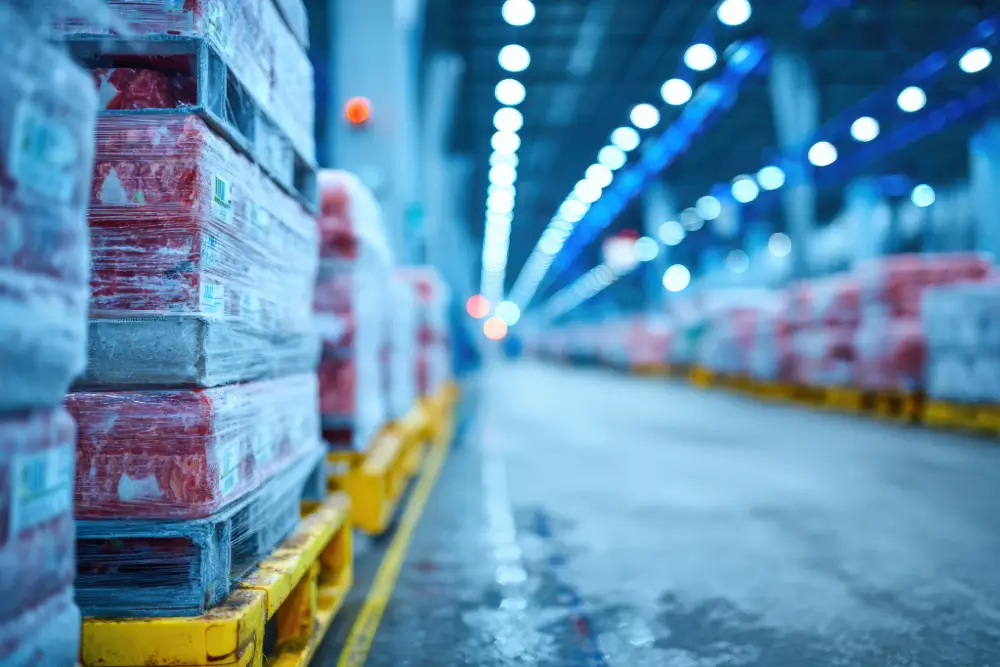
The cold chain is a series of tightly managed steps that hold a product within its required temperature band from the moment it is produced until it reaches the end customer. It begins at manufacturing or harvest, then moves through packaging, cold storage, transportation, and final-mile delivery. Each handoff is a potential point of failure, and even minor deviations can compromise an entire shipment.
Different goods demand different conditions. Vaccines must stay within narrow tolerances to remain effective, dairy and seafood require steady refrigeration, and frozen items need to stay deeply frozen throughout. Broadly, the food cold chain splits into a chilled band (roughly 0°C to 4°C) for fresh produce, dairy, and ready-to-eat meals, and a frozen band for products that must never thaw — and a single vehicle may carry both, each with its own packaging and placement.
Maintaining these conditions relies on a stack of tools working together: refrigerated trucks, insulated containers, gel packs or dry ice, and temperature-monitoring devices such as data loggers that flag any excursion in real time. The most resilient operations treat these not as separate purchases but as one connected system, where packaging, vehicle, route, and monitoring are chosen together for the specific product being shipped.

When the cold chain fails, the losses are staggering. A joint report from the UN Environment Programme and the Food and Agriculture Organization found that a lack of effective refrigeration directly causes the loss of 526 million tonnes of food a year — about 12% of global production, enough to feed roughly one billion people. Food loss and waste overall costs the global economy an estimated $936 billion annually. For an individual business, every spoiled order is wasted product, a refund, and an eroded customer relationship.
The risk is just as real on the doorstep. In a North Carolina State University study of home meal-kit and perishable deliveries, researchers found that more than 76% of boxes arrived with at least one item above the recommended safe-zone temperature, and that shipments completing in 20 hours or less stayed coolest — a direct argument for faster, tighter delivery operations.
Cold chain integrity is mission-critical beyond food, too. Industry analyses citing World Health Organization data note that around 90% of vaccines and the vast majority of biologics are cold-chain dependent, with an estimated quarter of vaccines degraded by improper temperature handling. The lesson is universal: temperature discipline is not a nice-to-have, it is the product.

Packaging is the first line of defence and often the difference between a fresh arrival and a write-off. Insulated containers — foam coolers, vacuum-insulated panels, or insulated liners — create a thermal barrier that slows temperature change during transit. Pair them with the right refrigerant: gel packs for chilled items that must stay cold, and dry ice for products that need to stay frozen.
Three principles separate good packaging from great packaging:
Sustainability is increasingly part of the equation. Biodegradable insulation, recyclable materials, and reusable containers reduce waste and resonate with eco-conscious buyers — one element of a broader move toward greener, more sustainable transportation across the last mile.
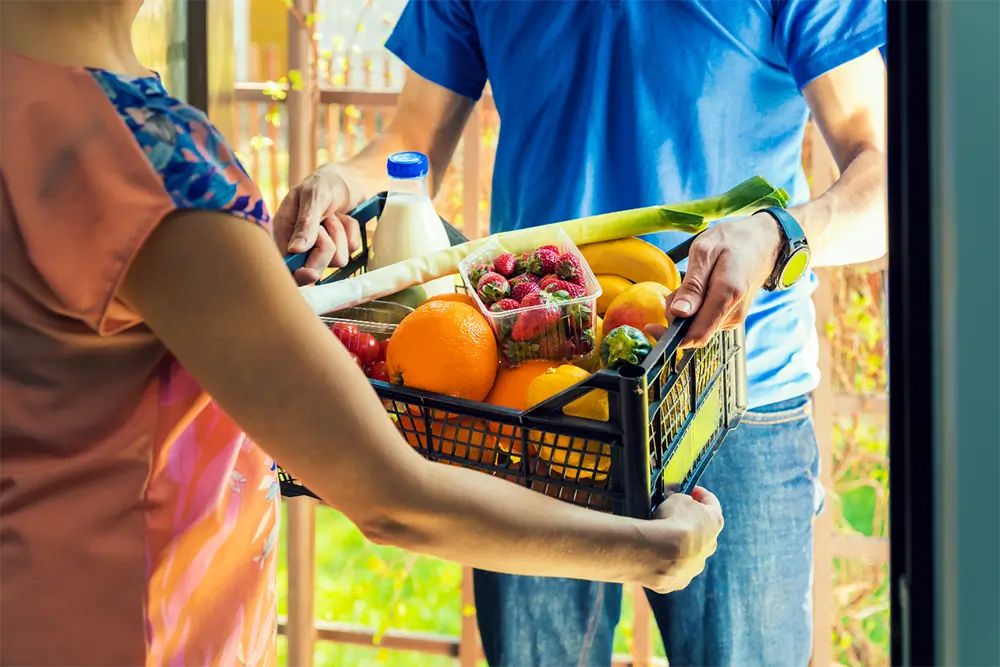
Temperature control is the heart of cold chain logistics, and the target depends on what you are shipping. Getting it wrong is costly: in seafood, for example, an 8-degree rise from 32°F to 40°F doubles the rate of spoilage and cuts shelf life in half.
Most chilled goods — dairy, prepared meals, produce — belong in the 32°F to 40°F (0°C to 4°C) band. The U.S. FDA Food Code treats 40°F (4°C) as the upper safe limit for holding cold foods, so the operating goal is to keep product at or below that ceiling from facility to doorstep.
Frozen items should be held at 0°F (-18°C) or colder, the long-standing standard for frozen storage and transport. Dry ice is the refrigerant of choice here, but it must be handled and labeled carefully because shipping carriers classify it as a hazardous material.
Seafood is among the most demanding categories. Fresh fish should be kept as close to 32°F (0°C) as possible, packed on ice for the entire journey, while frozen seafood follows the 0°F (-18°C) rule. Per FDA and FoodSafety.gov guidance, fresh seafood should be refrigerated at 40°F (4°C) or below and kept on ice to slow bacterial growth — and for species prone to scombrotoxin, that discipline prevents histamine formation that cooking cannot reverse.

Speed is a temperature-control tool. The less time a product spends in transit, the less it is exposed to fluctuations — which is exactly why that NC State finding about sub-20-hour deliveries matters. Efficient route optimization compresses time on the road and shrinks the window for anything to go wrong.
Software like EasyRoutes builds the most efficient paths by weighing distance, traffic, delivery windows, and vehicle constraints, and can adapt dynamically when conditions change. For operations juggling many drops, strong multi-stop route planning is essential to keep every stop on schedule. Tighter routes also trim fuel costs and support more sustainable operations — a welcome side effect of doing the cold chain right.
Timing is the other half. Coordinating delivery time windows so customers are present to receive and refrigerate their order prevents perishables from sitting in the sun. Offering same-day or next-day options for highly perishable items like seafood and dairy, and planning around weekends and holidays when transit times stretch, are core practices for any cold chain operation.
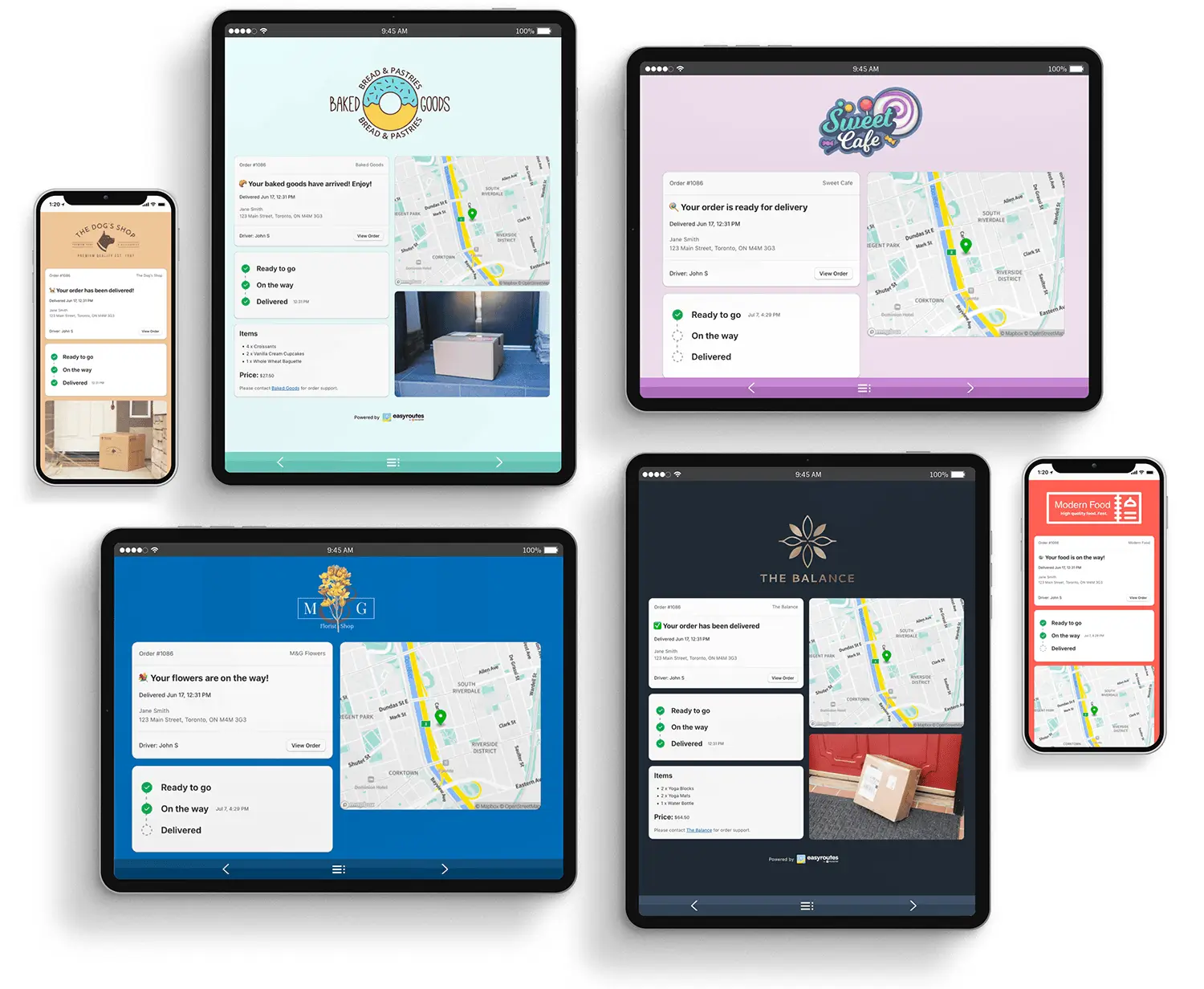
You cannot manage what you cannot see. Temperature sensors and data loggers placed inside shipments record conditions throughout transit, and modern IoT-enabled devices push real-time alerts the moment a reading drifts out of range — so a problem can be corrected before product is lost. That same data feeds continuous improvement, revealing which routes or handoffs repeatedly run warm. A growing number of operations also layer on traceability technology, including blockchain-backed ledgers, to create a tamper-proof record of a shipment’s journey — especially valuable in pharmaceuticals and high-value food where provenance must be proven.
Visibility matters to customers as much as to operators. Real-time tracking and accurate ETAs let recipients plan to be home for a perishable handoff, while automated notifications reduce the anxiety of waiting on a time-sensitive order. Capturing a timestamped proof of delivery closes the loop on a successful drop, and pulling these capabilities into one coordinated workflow turns scattered tools into a single source of truth.
Shipping temperature-sensitive goods means operating inside a web of rules. In the United States, the FDA and USDA set requirements for handling, labeling, and documenting perishable and seafood shipments, and the FDA Food Safety Modernization Act adds traceability recordkeeping for high-risk foods. Cross-border shipments add another layer, since temperature and documentation standards vary by country.
Practical compliance comes down to fundamentals: label packages clearly as perishable with any required handling instructions, document the product type, origin, and destination, maintain a temperature history where required, and run periodic audits so your procedures keep pace with changing standards. Treating compliance as a trust signal — proof of your commitment to safety — turns a regulatory burden into a competitive advantage.

Technology only works when the people executing the delivery understand the stakes. Drivers should be trained in proper handling of insulated packaging, the safe use of dry ice, and the importance of keeping cargo doors closed and routes on schedule. They should also know how to spot and report a packaging failure or a temperature excursion in progress, and how to follow the right protocol when a customer is not home to receive a perishable order. Because drivers are often the only human touchpoint a customer has with your brand, their professionalism shapes the experience as munych as the product itself. A well-trained team that grasps why temperature discipline matters is one of the most cost-effective investments a cold chain operation can make.
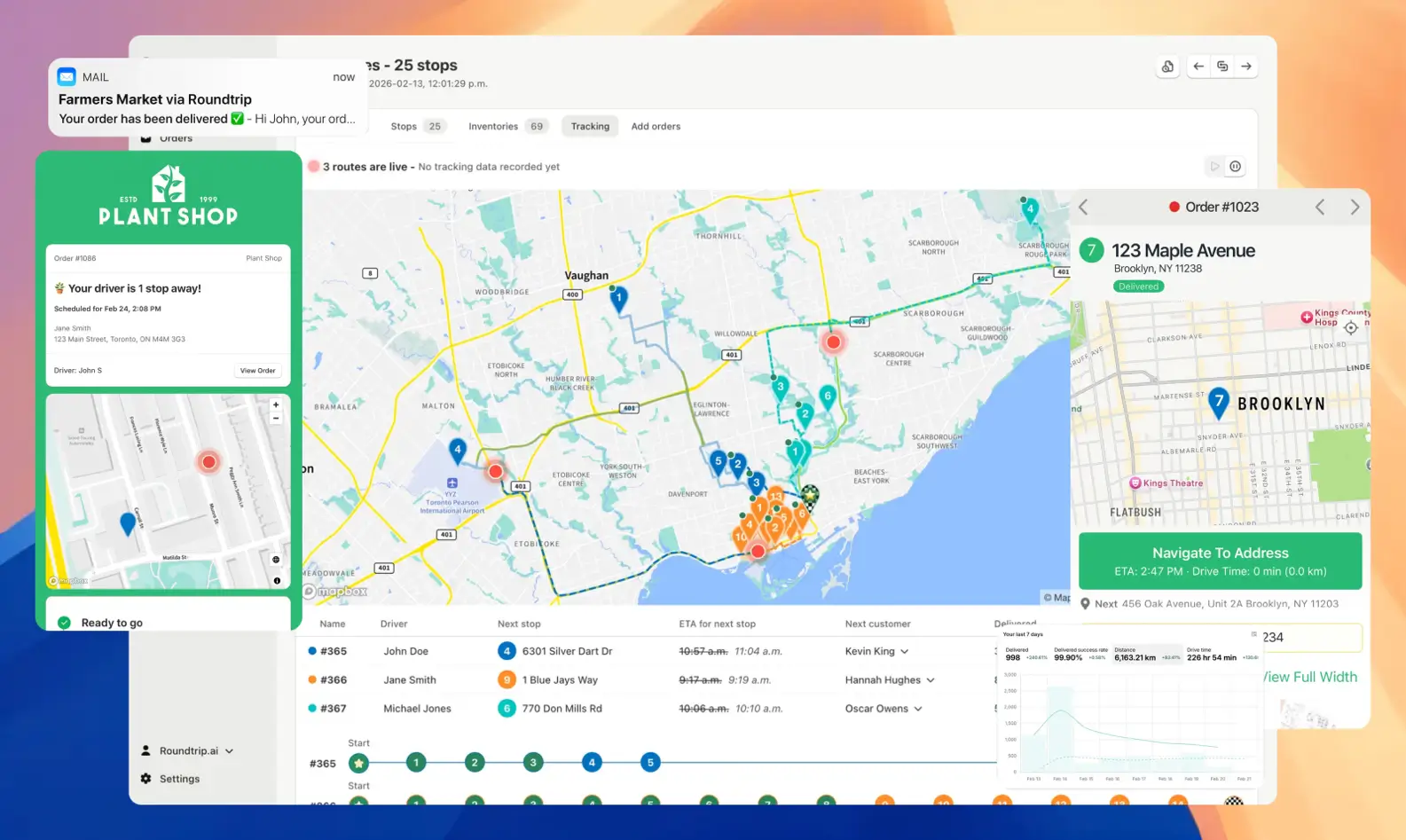
Bringing it together, EasyRoutes gives temperature-sensitive operations the routing, tracking, and communication tools the cold chain demands in one place. Its route optimization minimizes time in transit, vehicle profiles and capacity settings respect the limits of refrigerated vehicles, and built-in tracking and customer notifications keep recipients informed and ready to receive. For Shopify and direct-to-consumer brands shipping perishables, that combination shortens the gap between warehouse and doorstep — the single most reliable way to protect freshness.
Cold chain logistics rewards attention to detail at every step. By understanding the process, respecting product-specific temperature targets, packaging intelligently, optimizing routes for speed, monitoring conditions in real time, and keeping your team trained and compliant, you can deliver perishable, frozen, and fresh goods with confidence. As demand for temperature-controlled delivery keeps climbing, the businesses that master these fundamentals will be the ones customers come back to.
Ready to tighten your cold chain? Explore how EasyRoutes can optimize your routes, track every delivery, and help your perishable products arrive fresh, every time. Start your 14-day free trial today.
Yes. EasyRoutes supports Vehicle Profiles you can configure and assign to routes. EasyRoutes also supports capacity planning via item or weight limits per route. Use these with other options (like time windows, or custom start/end locations) to keep plans realistic and drivers on schedule.
See: Vehicle Profiles · Max items/weight per route · Commercial/GPX Export
EasyRoutes optimizes deliveries using your selected orders, start & end locations, stop time intervals, time windows, and route limits. You can balance routes, respect capacities, and re‑optimize as plans change.
See: Route Options · EasyRoutes 101
ETAs use route distance, stop service times, and historical traffic, and they update during the day as drivers progress. Accuracy improves when addresses and time windows are clean.
Yes. Schedule routes across multiple days with configured start times/locations and add an overnight driver break to maintain accurate ETAs.
See: Multi‑Day Scheduling
Yes. Draw custom delivery zones on the map to select orders in a specific geographical area, and reuse the same workflow whenever you plan routes for the same local area.
See: Delivery Zones
EasyRoutes is the AI-native delivery operations platform trusted by 5,000+ businesses across 75+ countries. Plan routes in seconds, dispatch drivers automatically, and delight your customers — from Shopify or any order source. Experience delivery operations that run themselves. Rated 4.8 stars and certified Built for Shopify.
⭐⭐⭐⭐⭐ 4.9 stars • Trusted by 5,000+ Businesses