White Glove Delivery: Is It Right for Your Business?
By Joe SnyderWhite glove delivery explained: what it is, key features, benefits, top industries, costs, and how to add this premium last-mile service in 2026.

White glove delivery explained: what it is, key features, benefits, top industries, costs, and how to add this premium last-mile service in 2026.
In a market where shoppers can buy a $4,000 sectional or a hospital-grade monitor with a single tap, the moment of delivery has become the moment that defines the brand. Standard shipping drops a box at the curb; white glove delivery carries the item inside, sets it up, and removes the mess. That difference is now a measurable growth lever. The U.S. white glove delivery service market reached roughly $16.4 billion in 2025 and is forecast to grow at about 5.7% a year through 2030, while the global white glove services market climbed to about $34.3 billion in 2026 and is projected to expand at roughly 9.9% annually through 2035. This guide explains what white glove delivery is, its key features and benefits, the industries that gain the most, what it costs, and how to add it to your operation.
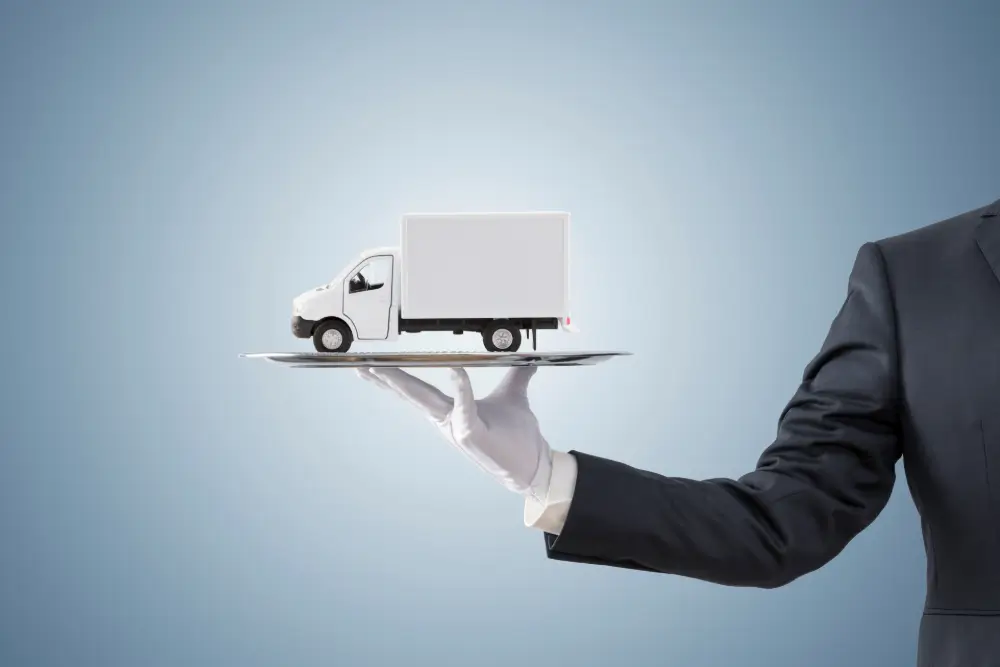
White glove delivery is a premium service that goes far beyond leaving a package on a doorstep. The term evokes meticulous, hands-on care, and that is exactly the promise: items are not simply delivered but brought inside, unpacked, inspected, assembled, and — where needed — installed, with all packaging hauled away afterward. It is the difference between a customer wrestling a flat-pack wardrobe up a staircase alone and a two-person team placing it in the bedroom, building it, and leaving the room clean.
Consider a high-end furniture purchase. A white glove team brings the piece into the home, positions it in the room of choice, assembles it, and removes every scrap of cardboard and foam. The service typically layers on scheduling flexibility, direct communication with the delivery crew, and real-time order tracking so the customer is never left guessing. For delicate, bulky, or high-value goods — exactly the products where a standard parcel network tends to disappoint — this is what turns a nerve-racking purchase into a confident one. In short, white glove delivery is the clearest expression of a great delivery experience: the final, physical touchpoint where a brand either earns trust or loses it.
The reason it matters is the so-called last fifty feet. A standard parcel network is optimized to move small, uniform boxes at high volume, with multiple handoffs and a curbside drop at the end. That model works for paperbacks and phone cases, but it is exactly where heavy, fragile, and expensive items break down — both literally and in the customer's perception. White glove replaces a chain of anonymous touches with a single accountable crew that owns the item from the truck to the room, which is why it has become the default expectation for premium goods rather than a luxury upsell.

White glove offerings vary by provider, but the strongest programs share a common set of features built around care and convenience:
Together these features convert a logistics transaction into a service experience — the reason white glove has become a competitive differentiator rather than a niche add-on.
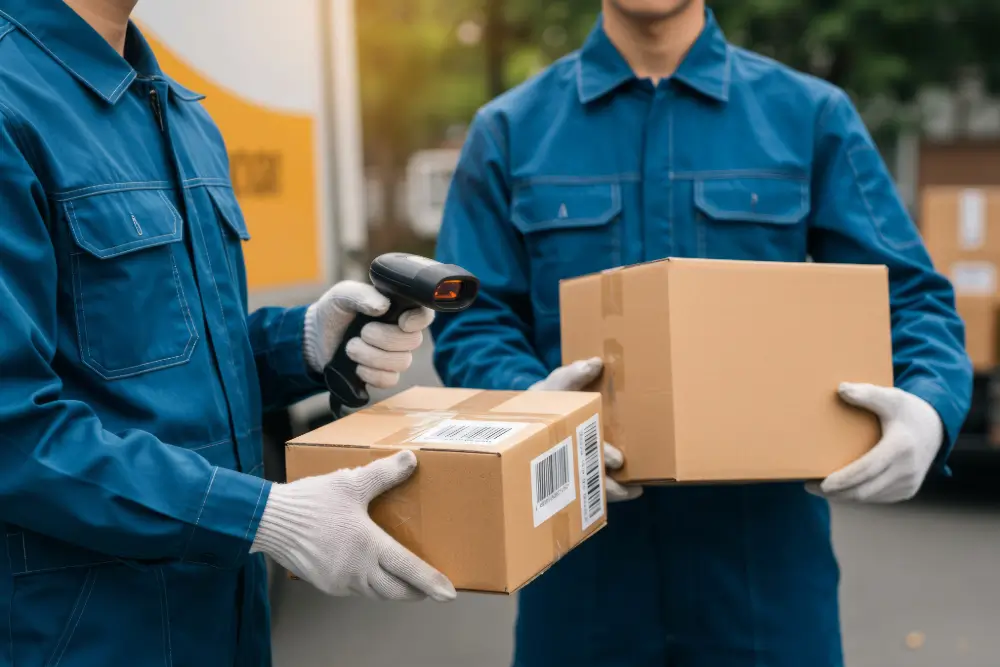
Adding white glove delivery can move several business metrics at once, from satisfaction scores to return costs.

Any business shipping high-value or delicate goods can benefit, but a few categories are natural fits — and consumer demand backs that up. Recent industry data shows roughly 52% of U.S. buyers prefer full-service delivery for appliances, electronics, and furniture, and about 48% favor installation-ready logistics.

White glove is a premium service, and the economics reflect that. Specialized handling, multi-person crews, longer time on site, and careful coordination all add operating cost, which is why providers price these deliveries well above standard parcel rates. The trade-off is volume and momentum: the U.S. third-party big-and-bulky last-mile segment is large — estimated at around $60 billion by UPS's U.S. president — and demand for fast, assisted delivery of oversized goods keeps climbing. One retail-logistics analysis found that 80% of consumers now expect same-day options and projected the U.S. big-and-bulky last-mile market to grow about 9.5% a year through 2026. The practical question for most businesses is not whether white glove costs more — it does — but whether the gains in retained customers, avoided returns, and premium positioning outweigh the per-delivery premium. For high-value categories, they frequently do.
Pricing usually follows one of a few models: a flat fee per delivery, tiered pricing by service level (for example, room-of-choice drop versus full assembly and installation), or rates that scale with the item's weight, size, and delivery distance. Many retailers fold the cost into the product price or a delivery surcharge on qualifying items, framing it as part of the premium rather than a separate line the customer resents. Whichever model you choose, the cost becomes far more predictable once routing and scheduling are tight — efficient, capacity-aware routes are the single biggest lever for keeping a labor-intensive service profitable.

If you are considering white glove, start by auditing your current capabilities and the products that would gain the most:
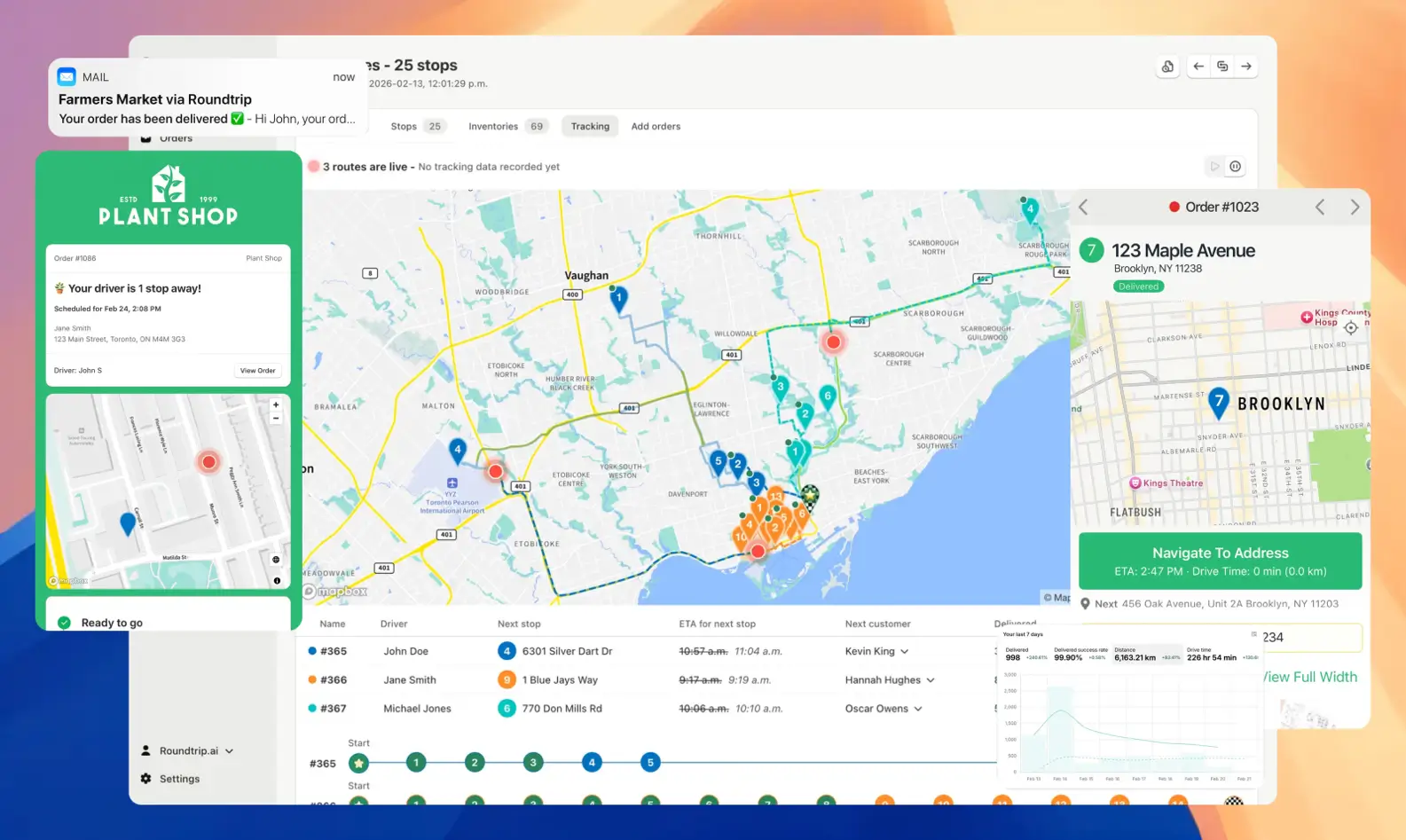
Delivering on a white glove promise depends on logistics that are precise, transparent, and easy to coordinate — and that is where EasyRoutes fits in. Because white glove jobs are appointment-based, EasyRoutes lets you plan optimized routes around specific delivery windows and account for vehicle capacity when scheduling bulky items, so a two-person crew is never double-booked or sent out overloaded. Customers receive branded notifications and real-time tracking with accurate ETAs, replacing the all-day wait with a clear arrival window. And because high-value deliveries demand accountability, drivers can capture photo and signature proof of delivery at the door — documenting that the item arrived intact, was placed where the customer wanted, and was set up correctly. The result is a delivery experience that feels as considered as the product itself.
White glove delivery is more than a luxury; it is a strategic capability for any business that sells high-value, delicate, or complex items. It reduces returns, deepens loyalty, and sets a brand apart in categories where the delivery experience is part of the product. If your customers are buying furniture, appliances, medical equipment, or other goods that deserve careful handling, the question is less whether white glove is worth it and more how quickly you can do it well. Start by evaluating your delivery needs, choosing the right operating model, and investing in the routing, scheduling, and tracking technology that makes a premium experience repeatable — and you will have a service that exceeds customer expectations and earns long-term loyalty.
Yes. You can set delivery time windows per stop or import them from supported third‑party date/time apps. EasyRoutes optimizes routes to meet these windows and calculates ETAs accordingly.
Yes. Schedule routes for specific dates/times, and ETAs will be calculated for each stop on a route. These ETAs can be shared via customer tracking links and email/SMS delivery notifications.
Yes. With the Premium plan and above, fully customize email/SMS: add your logo and colors, edit copy/variables, and choose which events send. Works for Shopify orders and imported/manual stops.
Yes. On Premium/Enterprise plans you can display a live driver pin on tracking pages when the driver is 1–10 stops away.
EasyRoutes supports delivery photos, e‑signature, driver notes, and automatic timestamps (with GPS location when available) to provide a complete delivery record.
See: Proof of Delivery
Yes. Require photos, e‑signature, and or a driver note individually before a stop can be marked Delivered or Attempted in the driver app.
See: Mandatory PoD
Absolutely. Plan with item and weight limits to reflect the capacities of your fleet. Configure and assign Vehicle Profiles for an additional indicator for routes that have specific restrictions by vehicle.
EasyRoutes is the AI-native delivery operations platform trusted by 5,000+ businesses across 75+ countries. Plan routes in seconds, dispatch drivers automatically, and delight your customers — from Shopify or any order source. Experience delivery operations that run themselves. Rated 4.9 stars and certified Built for Shopify.
⭐⭐⭐⭐⭐ 4.9 stars • Trusted by 5,000+ Businesses