Logistics Fundamentals: Distribution to Final Mile
By Joe SnyderLogistics fundamentals explained: how logistics and distribution differ, key supply chain terms, final-mile delivery, and the tech behind it all.
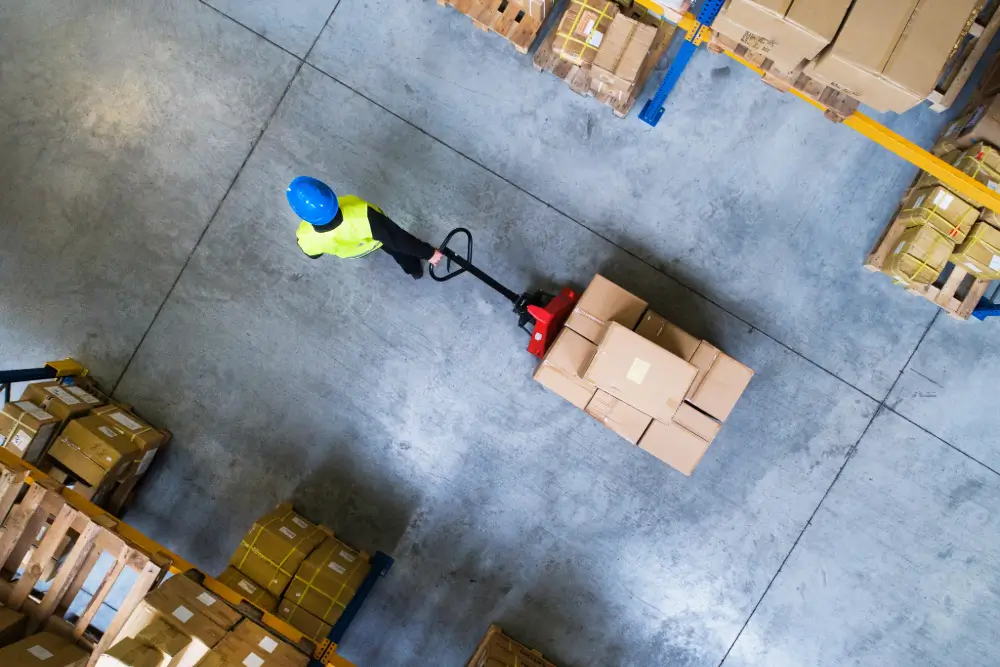
Logistics fundamentals explained: how logistics and distribution differ, key supply chain terms, final-mile delivery, and the tech behind it all.
Logistics is the quiet engine behind every order that arrives on time. It covers how goods are sourced, stored, moved, and delivered — and when it runs well, customers barely notice it. When it stumbles, they notice immediately. The scale is enormous: U.S. business logistics costs reached roughly $2.58 trillion in 2024, about 8.8% of national GDP, according to the Council of Supply Chain Management Professionals. Whether you run a Shopify store or a regional delivery operation, understanding the fundamentals of logistics is the first step toward controlling cost, speed, and customer experience.
This guide walks through what logistics actually is, how it differs from distribution, the abbreviations you will hear every day, why the final mile carries so much weight, and how modern technology ties it all together.

Logistics management is the planning, execution, and control of how goods, services, and information flow from their origin to the customer. It is the backbone of supply chain management, coordinating suppliers, warehouses, transportation networks, and end customers so the right product reaches the right place at the right time. Most operations break logistics into four working categories:
Done well, logistics lowers cost, shortens delivery times, and builds the reliability customers reward with repeat business. Done poorly, it quietly erodes margins through wasted miles, idle inventory, and failed deliveries. Understanding where your money goes starts with a clear view of your transportation costs.
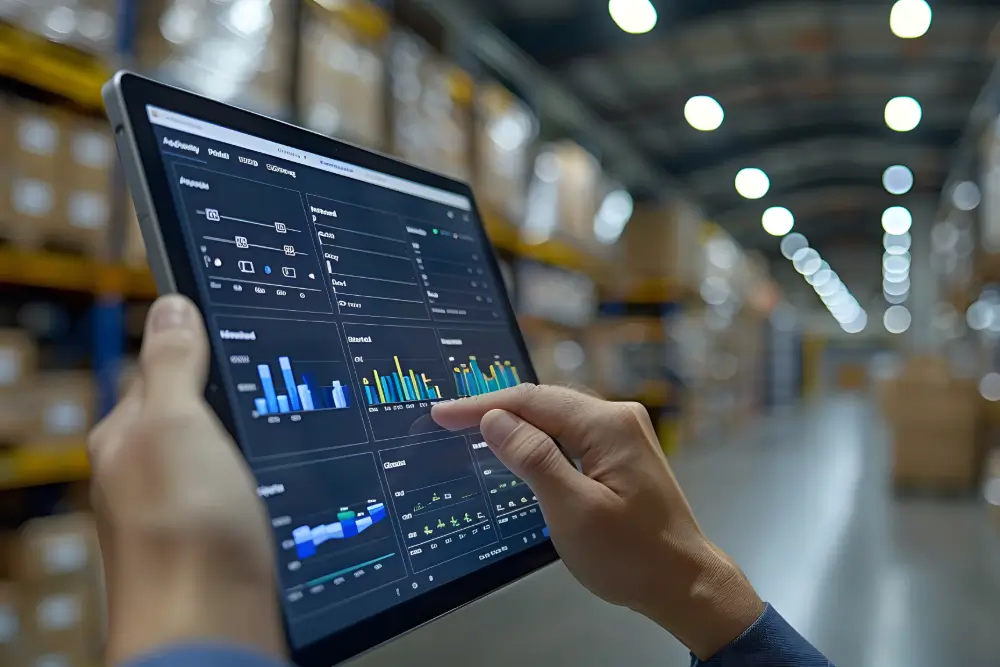
In a global economy where customer expectations keep rising, logistics has moved from a back-office cost line to a front-line competitive advantage. The stakes are growing with the market itself: the global logistics sector is forecast to reach roughly $5.95 trillion by 2030, a 7.2% compound annual growth rate, fueled largely by e-commerce. For an individual business, the payoff of getting logistics right shows up in three places:
As supply chains grow more complex, the businesses that treat logistics as a strategic priority pull ahead of those that treat it as an afterthought.

People use “distribution” and “logistics” interchangeably, but they are not the same thing. Logistics is the broad discipline: it spans procurement, inventory management, transportation, warehousing, and even customer service across the entire supply chain. Distribution is a subset — the specific work of moving finished goods from a distribution centre to their final destination, whether that is a retail shelf, a business, or a customer’s front door.
Put simply, logistics is the whole system; distribution is the last stretch of it. Logistics might focus on optimizing transportation across an entire network, while distribution zeroes in on delivering each order accurately, on time, and in good condition. The two are interdependent: logistics builds the framework and keeps products ready to ship, and distribution executes the handoff to the customer. A business that integrates the two — supported by shared data and real-time visibility — runs leaner than one that treats them as separate silos.
A grocery or meal-kit operation shows the relationship clearly. The logistics side sources ingredients, manages cold storage, and plans inventory so nothing spoils; the distribution side gets each box to the customer’s door quickly enough to keep it fresh. Neither succeeds alone — a perfectly stocked warehouse means little if the final delivery is late, and the fastest driver cannot rescue an order that was never packed correctly.

Logistics has a language of its own. These are the abbreviations you will hear most often, and what they mean in practice:
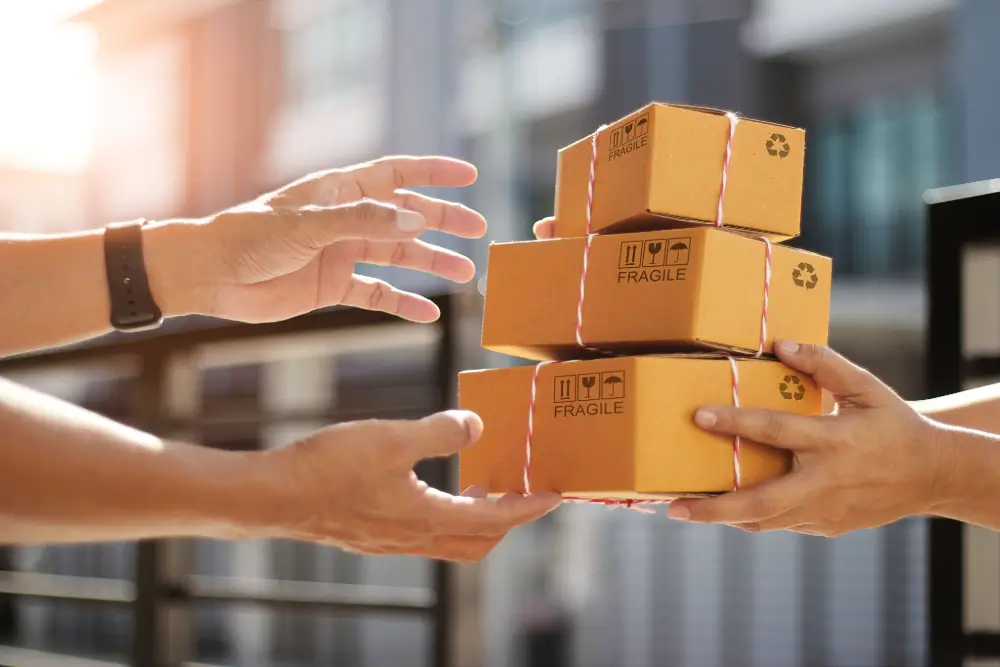
Final-mile delivery — often called last-mile delivery — is the concluding leg that carries a package from a local hub to the customer’s doorstep. It is the shortest distance in the supply chain but the most operationally complex, and it is the only physical touchpoint many customers ever have with a brand. As e-commerce expands, this step has become a competitive battleground rather than a routine handoff.
It is also expensive. Estimates of its share of cost vary by how the math is drawn: MIT Sloan Management Review puts last-mile expenses at up to 53% of total supply chain costs, while Deloitte offers a more conservative 30–35% of total delivery cost. Either way, it is the single heaviest cost center in delivery, driven by labor, fuel, stop-and-start urban driving, and failed-delivery reattempts. Reducing it has an outsized effect on margins, which is why a clear handle on last-mile delivery costs matters so much. The opportunity is large too: the last-mile delivery market reached roughly $201 billion in 2025 and is projected to grow about 12% annually through 2029.
The final mile carries its own challenges. Costs run high, routes are unpredictable thanks to traffic and address errors, and the growing volume of individual deliveries raises real environmental concerns. Returns add another layer: U.S. retailers expect about $849.9 billion in merchandise returns in 2025, with roughly 19.3% of online orders sent back — a reverse-logistics burden that efficient operations plan for rather than absorb by surprise.
At the same time, customer demand keeps pushing the final mile to move faster. Same-day and on-demand delivery have shifted from premium perks to mainstream expectations, especially in grocery, food, and other time-sensitive categories. Meeting that demand without blowing up costs is the central tension of modern last-mile delivery — and it is pushing the industry toward consolidated deliveries, fuel-efficient and electric vehicles, and tighter route planning that reduces both emissions and reattempts. The operators who solve speed and cost together are the ones who turn the final mile into a genuine advantage.

Technology is what turns logistics theory into daily efficiency. A handful of tools now do the heavy lifting:
The throughline is integration. When route planning, tracking, and order data share one source of truth, the whole operation moves faster and breaks less often — exactly what rising customer expectations now demand.
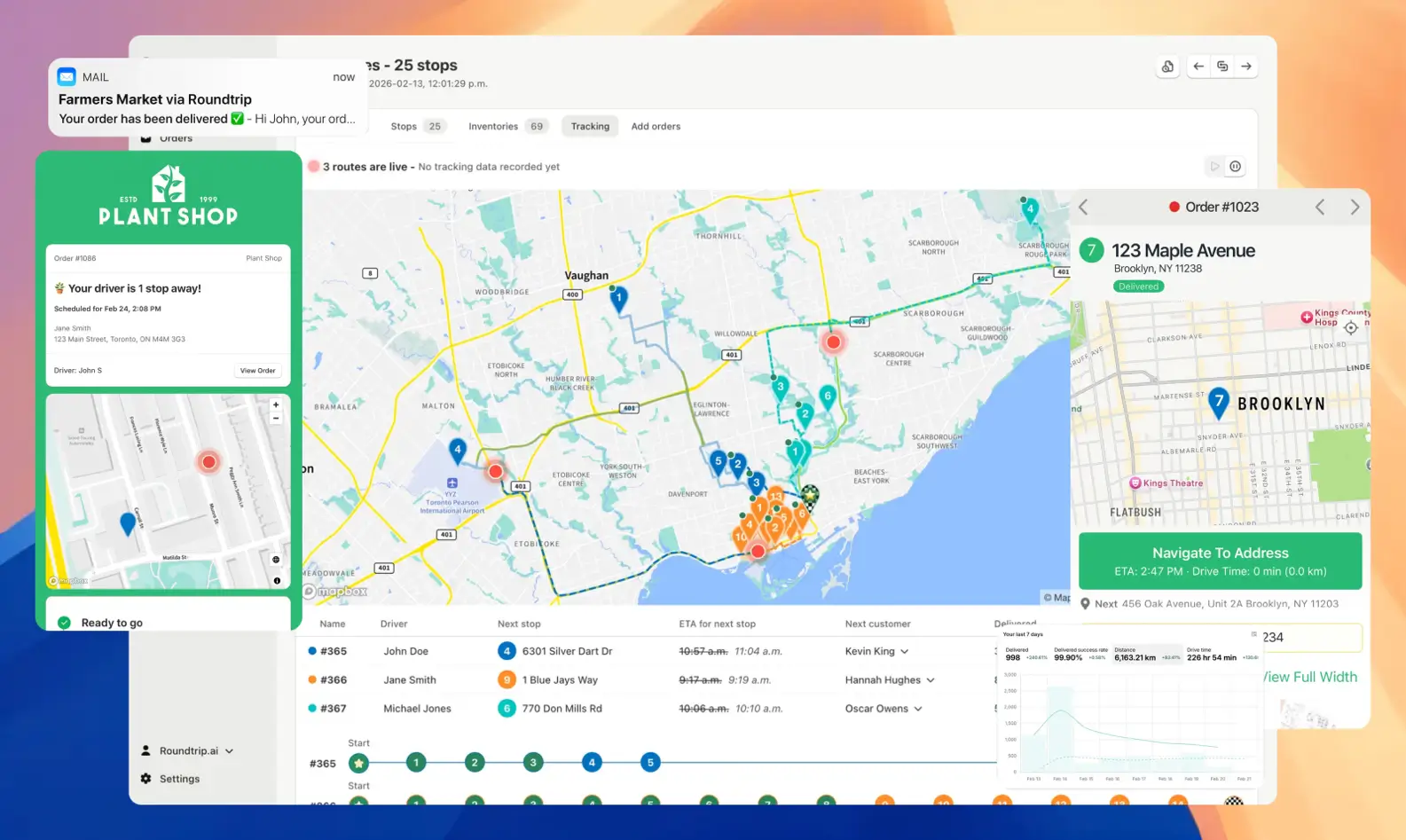
EasyRoutes brings the technology above into one workflow built for Shopify and last-mile delivery teams. It optimizes multi-stop routes around real constraints like vehicle capacity and delivery windows, dispatches them to drivers on a dedicated mobile app, and keeps customers informed with automated notifications and accurate ETAs. Built-in tracking and notifications give customers a live view of their delivery while reducing inbound questions, and proof-of-delivery capture closes the loop with a photo or signature at the door.
For a business weighing the cost and complexity of the final mile, that consolidation matters. Instead of stitching together routing, tracking, and customer communication from separate tools, EasyRoutes handles the full delivery day — planning, dispatch, visibility, and confirmation — so operators spend less time on logistics mechanics and more time growing. A bakery delivering fresh goods on a Saturday morning, for example, can optimize a packed route around delivery windows, send each customer an accurate ETA, and capture a photo at drop-off — the kind of reliability that earns repeat orders.
Logistics is no longer a back-office function; it is a strategic differentiator. Knowing how the pieces fit — the difference between logistics and distribution, the vocabulary of the trade, the weight of the final mile, and the technology that ties it together — lets you make sharper decisions about where to invest. The businesses that treat delivery as an experience to perfect, not just a cost to manage, are the ones customers come back to. If you are ready to tighten your last mile, EasyRoutes is a practical place to start.
EasyRoutes optimizes deliveries using your selected orders, start & end locations, stop time intervals, time windows, and route limits. You can balance routes, respect capacities, and re‑optimize as plans change.
See: Route Options · EasyRoutes 101
Yes. EasyRoutes supports Vehicle Profiles you can configure and assign to routes. EasyRoutes also supports capacity planning via item or weight limits per route. Use these with other options (like time windows, or custom start/end locations) to keep plans realistic and drivers on schedule.
See: Vehicle Profiles · Max items/weight per route · Commercial/GPX Export
Yes. Schedule routes across multiple days with configured start times/locations and add an overnight driver break to maintain accurate ETAs.
See: Multi‑Day Scheduling
ETAs use route distance, stop service times, and historical traffic, and they update during the day as drivers progress. Accuracy improves when addresses and time windows are clean.
Yes. With the Premium plan and above, fully customize email/SMS: add your logo and colors, edit copy/variables, and choose which events send. Works for Shopify orders and imported/manual stops.
Yes. Enable Real‑Time Tracking in Settings → Driver settings (Premium/Enterprise subscription plans) to view live driver location and progress in the Tracking tab of any route.
See: Real‑Time Tracking
EasyRoutes supports delivery photos, e‑signature, driver notes, and automatic timestamps (with GPS location when available) to provide a complete delivery record.
See: Proof of Delivery
EasyRoutes is the AI-native delivery operations platform trusted by 5,000+ businesses across 75+ countries. Plan routes in seconds, dispatch drivers automatically, and delight your customers — from Shopify or any order source. Experience delivery operations that run themselves. Rated 4.9 stars and certified Built for Shopify.
⭐⭐⭐⭐⭐ 4.9 stars • Trusted by 5,000+ Businesses