How to Cut Fuel Costs for Delivery Businesses (2026)
By Joe SnyderCut fuel costs in your delivery business in 2026: route optimization, smarter driving, fleet maintenance, fuel-buying tips, and EV strategies.

Cut fuel costs in your delivery business in 2026: route optimization, smarter driving, fleet maintenance, fuel-buying tips, and EV strategies.
Fuel is one of the largest and least predictable line items in any delivery operation, and 2026 has been a vivid reminder of that. As of mid-2026, the national average sits near $4.24 a gallon for regular and well above $5 for diesel, after a mid-year supply shock pushed prices sharply higher before they began easing again. Looking across the full year, the U.S. Energy Information Administration expects gasoline to average roughly $3.70 a gallon and diesel near $4.80 — still volatile, and still a major drag on margins for any business that runs vehicles.
You cannot control the price at the pump, but you can control how many gallons your business burns to get the same work done. This guide pulls together the strategies that move the needle most — from route optimization and driver coaching to maintenance, smarter fuel buying, and the shift toward electric vehicles — so you can keep more of every delivery's revenue. Understanding where your delivery costs actually go is the first step toward trimming them.


The single biggest lever on fuel spend is the number of miles your vehicles drive. Every unnecessary mile burns fuel, adds wear, and eats into the day. Smart route optimization tackles this directly by sequencing stops so each vehicle covers the shortest practical distance while still meeting delivery windows and capacity limits.
For any operation with more than a handful of stops, manual planning with pen, paper, or spreadsheets simply cannot keep up — and free consumer mapping apps were not built to juggle dozens of drops across multiple drivers. A dedicated multi-stop route planning tool evaluates traffic patterns, time windows, and vehicle capacity to build routes that are both faster and leaner on fuel. Consolidating loads so you dispatch fewer, fuller vehicles instead of many half-empty ones compounds the savings.
It also pays to plan the day strategically: grouping nearby deliveries and combining trips keeps engines warm and avoids the fuel penalty of repeated cold starts. Seeing the total mileage and drive time for each route before drivers leave the depot lets planners spot and trim waste before a single gallon is spent.
Timing matters too. Where your delivery windows allow it, scheduling runs during off-peak hours keeps vehicles out of stop-and-go congestion — the most fuel-hungry driving there is. Less time crawling in traffic means fewer wasted gallons and faster completion, so the same routes done at the right time of day can quietly lower both fuel spend and labor hours.

How your drivers handle the vehicle matters as much as where they go. According to the U.S. Department of Energy, aggressive driving — speeding, hard acceleration, and abrupt braking — can lower gas mileage by roughly 15% to 30% at highway speeds and as much as 10% to 40% in stop-and-go traffic. Smooth, anticipatory driving and steady speeds are the cheapest fuel savings available, and they make the road safer too.
Speed is its own line item. Fuel economy drops quickly above 50 mph, and the Department of Energy estimates that every 5 mph driven over that threshold is like paying an extra $0.27 per gallon. Encouraging drivers to observe speed limits and use cruise control on the highway protects both fuel and safety.
Idling is pure waste: a parked engine gets zero miles per gallon. A simple, well-communicated no-idle policy — engines off during waits, loading, and longer stops — adds up fast across a fleet that makes frequent drops. Pairing that policy with light driver coaching turns good habits into routine.
Anticipation ties it all together. Drivers who look well ahead, keep a generous following distance, and ease off the accelerator early avoid the hard braking and sharp re-acceleration that waste the most fuel in city traffic. A useful rule of thumb is roughly one vehicle length of following distance for every 10 mph of speed — enough room to coast to a stop instead of slamming the brakes. It is gentler on fuel, on brakes, and on the vehicle as a whole.
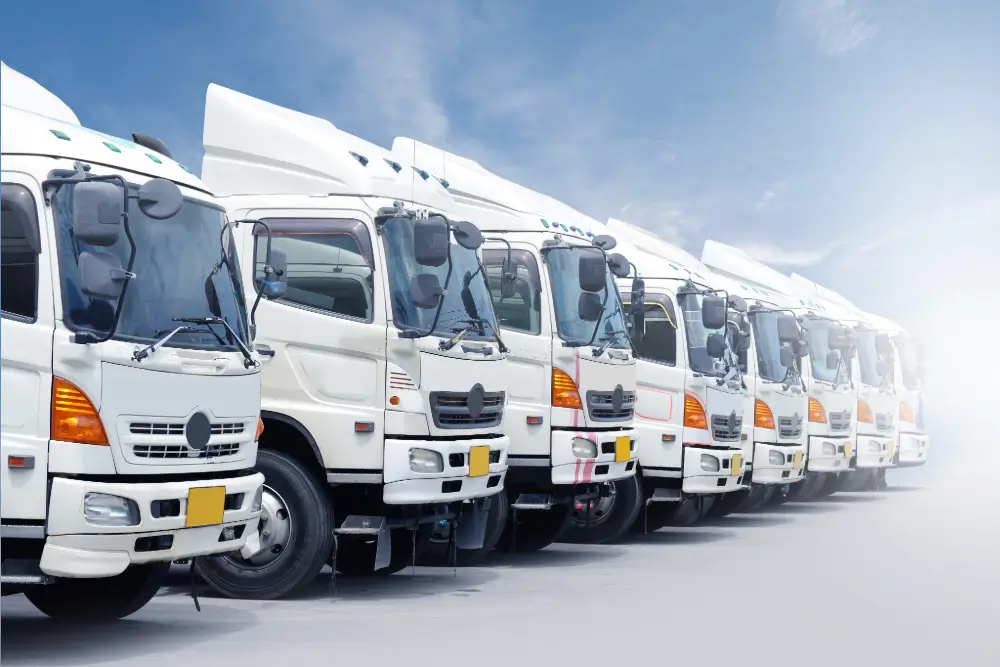
A well-maintained vehicle simply uses less fuel. The highest-return task is the simplest: keeping tires inflated to the manufacturer's recommended pressure can improve gas mileage by up to 3%, while under-inflated tires lose roughly 0.2% in fuel economy for every 1 psi drop across all four tires, per FuelEconomy.gov. A monthly pressure check across the fleet is time well spent.
Beyond tires, fixing a vehicle that is noticeably out of tune can improve mileage by around 4%, and using the manufacturer's recommended grade of motor oil adds another 1% to 2%. One word of caution on an old myth: replacing a clogged air filter only improves fuel economy on older vehicles with carbureted engines. On the modern fuel-injected vehicles that make up virtually every delivery fleet today, a fresh air filter helps acceleration but will not meaningfully change your miles per gallon — so spend your maintenance budget where it actually pays back.
Weight costs fuel. The harder an engine works to move a heavier vehicle, the more it drinks, so it pays to avoid hauling unnecessary cargo and to organize each load so vehicles run as efficiently as the day allows. Thoughtful load planning also reduces wear and makes deliveries easier to sequence.
On the buying side, a few habits protect your budget. Skip premium fuel unless your engines genuinely require higher octane — for most vehicles it delivers no performance benefit and simply costs more. Use price-comparison apps such as GasBuddy to find the cheapest stations on or near your routes, and consider wholesale-club or fleet fuel-card programs that offer per-gallon discounts and consolidated reporting. Finally, put a written fuel policy in place: clear expectations on idling, speed, refueling, and card use, backed by ongoing miles-per-gallon tracking, keep everyone accountable and make savings stick.
For the densest urban zones, the most fuel-efficient vehicle is sometimes no fuel-burning vehicle at all. Cargo e-bikes and pedal bikes can handle short, high-density drop clusters in city centers more nimbly than a van — slipping through congestion, parking instantly, and using zero gasoline. They will not replace a delivery fleet, but adding a bike or two for tight downtown routes can shave real cost off your most traffic-choked deliveries.

You cannot improve what you do not measure. Telematics and GPS and driver-behavior tracking systems capture speed, idling time, harsh braking, and fuel consumption, turning vague hunches into a clear picture of where fuel is being lost. Many systems offer real-time feedback that nudges drivers toward more efficient habits as they work.
Tracking the right metrics — miles per gallon, total fuel used, and cost per delivery — reveals the outliers worth investigating, whether that is a route that runs long, a vehicle due for service, or a driver who would benefit from coaching. The best modern route planning tools combine optimization, live tracking, and analytics in one place, so the data you collect feeds directly back into leaner routes and lower fuel bills.
Reviewing these numbers on a regular cadence turns one-off wins into a discipline. Set fuel-efficiency benchmarks per vehicle class and route type, watch the trend rather than any single day, and use the data to forecast and budget fuel spend more accurately. Over time, that feedback loop — measure, adjust routes and habits, measure again — is what separates operations that quietly bleed fuel from those that keep costs flat even when pump prices climb.
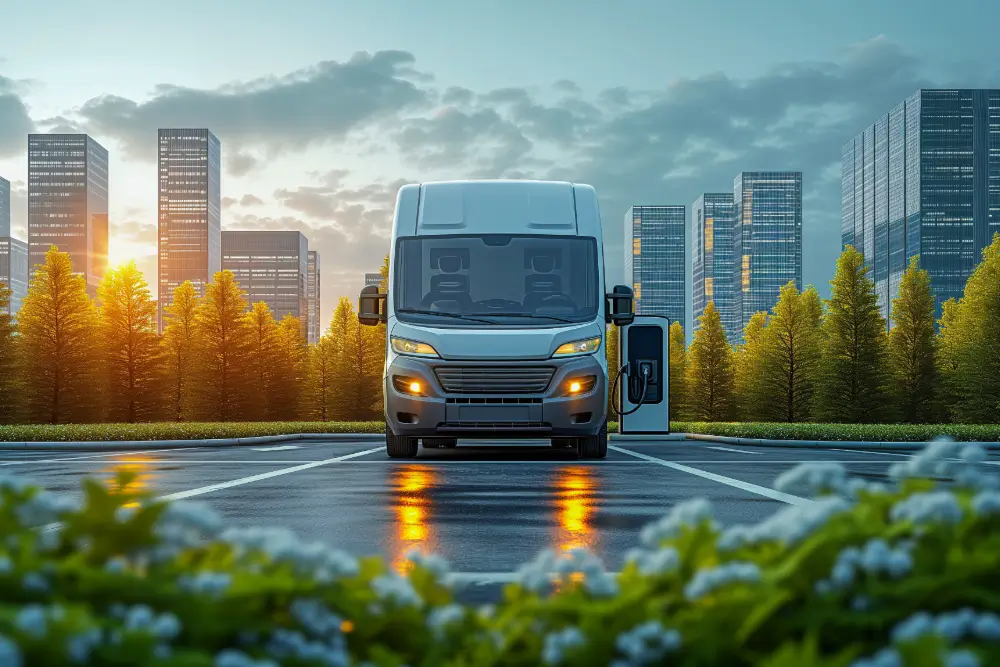
Over the longer term, the vehicles themselves are the deepest source of savings. Hybrids and electric vehicles (EVs) cut fuel costs dramatically, and the economics have tipped in their favor for many delivery use cases. Recent 2026 cost analyses of medium delivery vans suggest each EV can save on the order of $22,500 in operating costs over five years versus a comparable gas van, with the lowest total cost of ownership showing up on high-mileage routes that return to a single depot for overnight charging.
For operations not ready to go fully electric, options remain: compressed natural gas (CNG) and propane vehicles can lower per-mile fuel costs, and right-sizing your fleet to the most fuel-efficient vehicles that fit the job still helps. Beyond the balance sheet, cleaner vehicles support your green transportation goals and resonate with increasingly eco-conscious customers. Whatever the mix, evaluate total cost of ownership — fuel, maintenance, incentives, and resale — rather than sticker price alone.
If you do go electric, the operational details decide the economics. EVs perform best on predictable routes that return to base each night, where depot charging keeps energy costs low — and staggering charging into off-peak overnight hours avoids the steep demand charges that come with plugging in an entire fleet at once. Federal, state, and local incentives can also offset much of the higher purchase price, so factor them into the comparison before deciding a switch is too expensive.
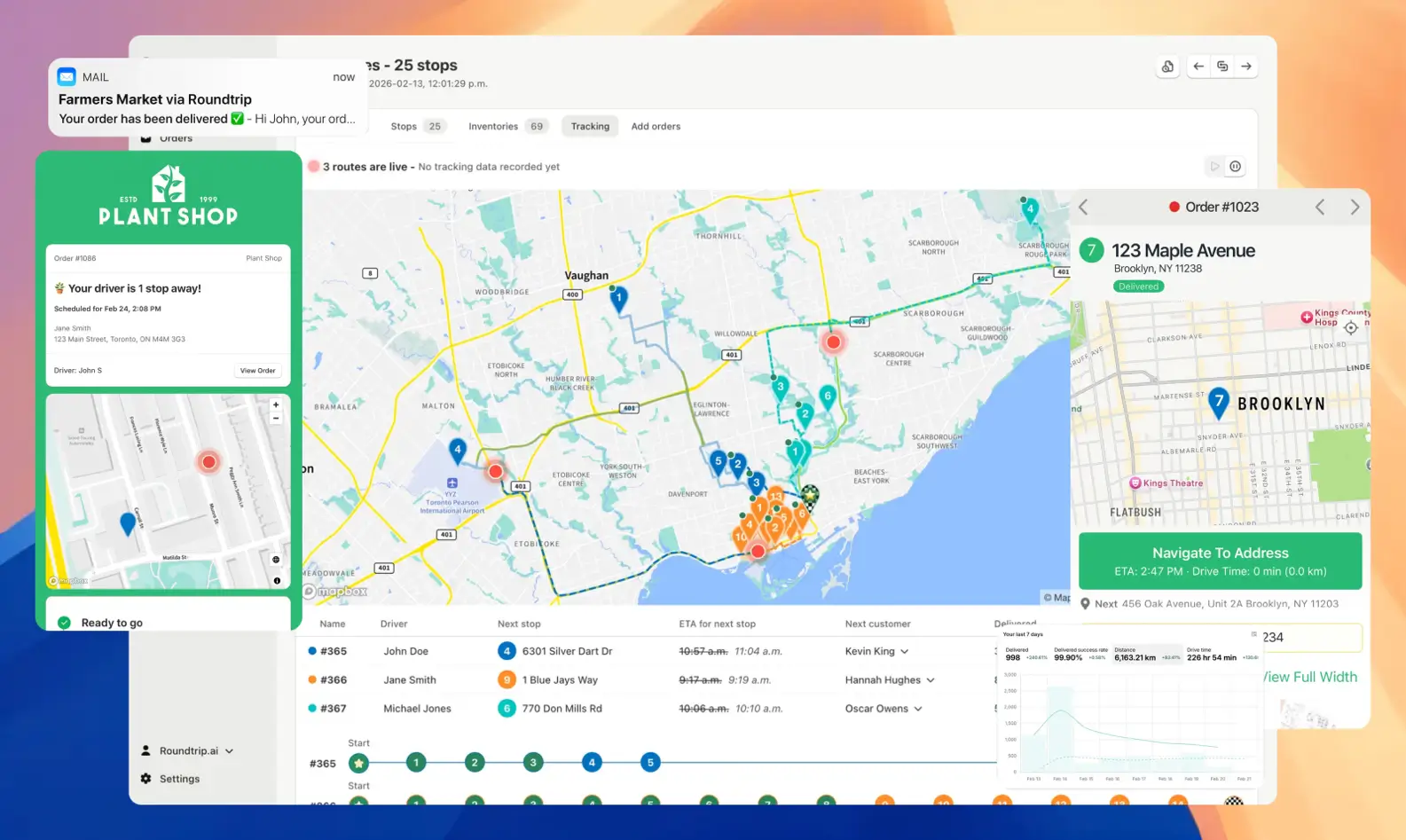
EasyRoutes, the route-optimization and last-mile delivery app for Shopify and the web, is built to attack the biggest fuel lever — miles driven. It optimizes multi-stop routes using your orders, start and end locations, time windows, service times, and capacity limits, and lets you balance stops or optimize for the fewest routes that still meet your constraints. Every route shows its total estimated mileage and drive time the moment it is created and updates the instant you re-optimize, so you can see the fuel impact of a plan before anyone leaves the depot.
For larger operations, Route Groups let you build, dispatch, and monitor multiple routes at once on a single map, making it easy to consolidate a delivery day into fewer, fuller vehicles. Combined with real-time driver tracking, EasyRoutes turns efficient planning into measurable fuel savings on the road.
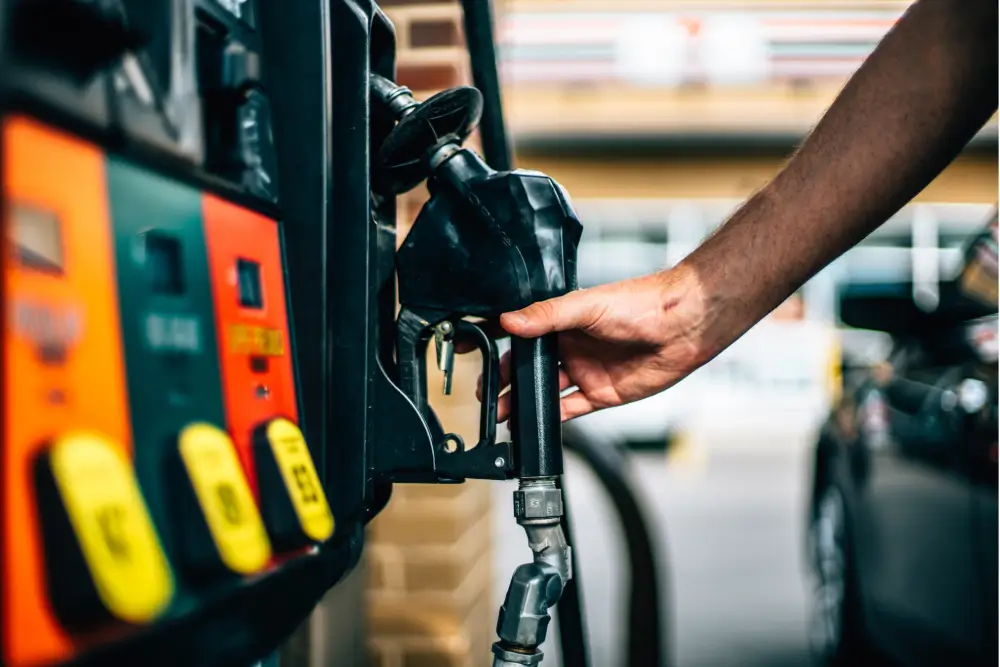
Cutting fuel costs is not about a single silver bullet; it is the cumulative result of shorter routes, smoother driving, well-maintained vehicles, smarter fuel buying, good data, and — over time — more efficient vehicles. Each habit compounds, and together they protect your margins against a fuel market that will keep surprising you. Start with the highest-impact change for your operation, measure the results, and build from there.
Ready to turn efficient routing into lower fuel bills? Explore the EasyRoutes website to see how route optimization can help your delivery business save on gas with every run.
EasyRoutes optimizes deliveries using your selected orders, start & end locations, stop time intervals, time windows, and route limits. You can balance routes, respect capacities, and re‑optimize as plans change.
See: Route Options · EasyRoutes 101
Yes. Routes display estimated distance and drive time after optimization, and update automatically when you add/remove stops and re‑optimize.
See: Route Mileage
Yes. Route Groups let you create, monitor, and dispatch multiple routes at once, and track all drivers within the group on one map view.
See: Route Groups
EasyRoutes is the AI-native delivery operations platform trusted by 5,000+ businesses across 75+ countries. Plan routes in seconds, dispatch drivers automatically, and delight your customers — from Shopify or any order source. Experience delivery operations that run themselves. Rated 4.9 stars and certified Built for Shopify.
⭐⭐⭐⭐⭐ 4.9 stars • Trusted by 5,000+ Businesses